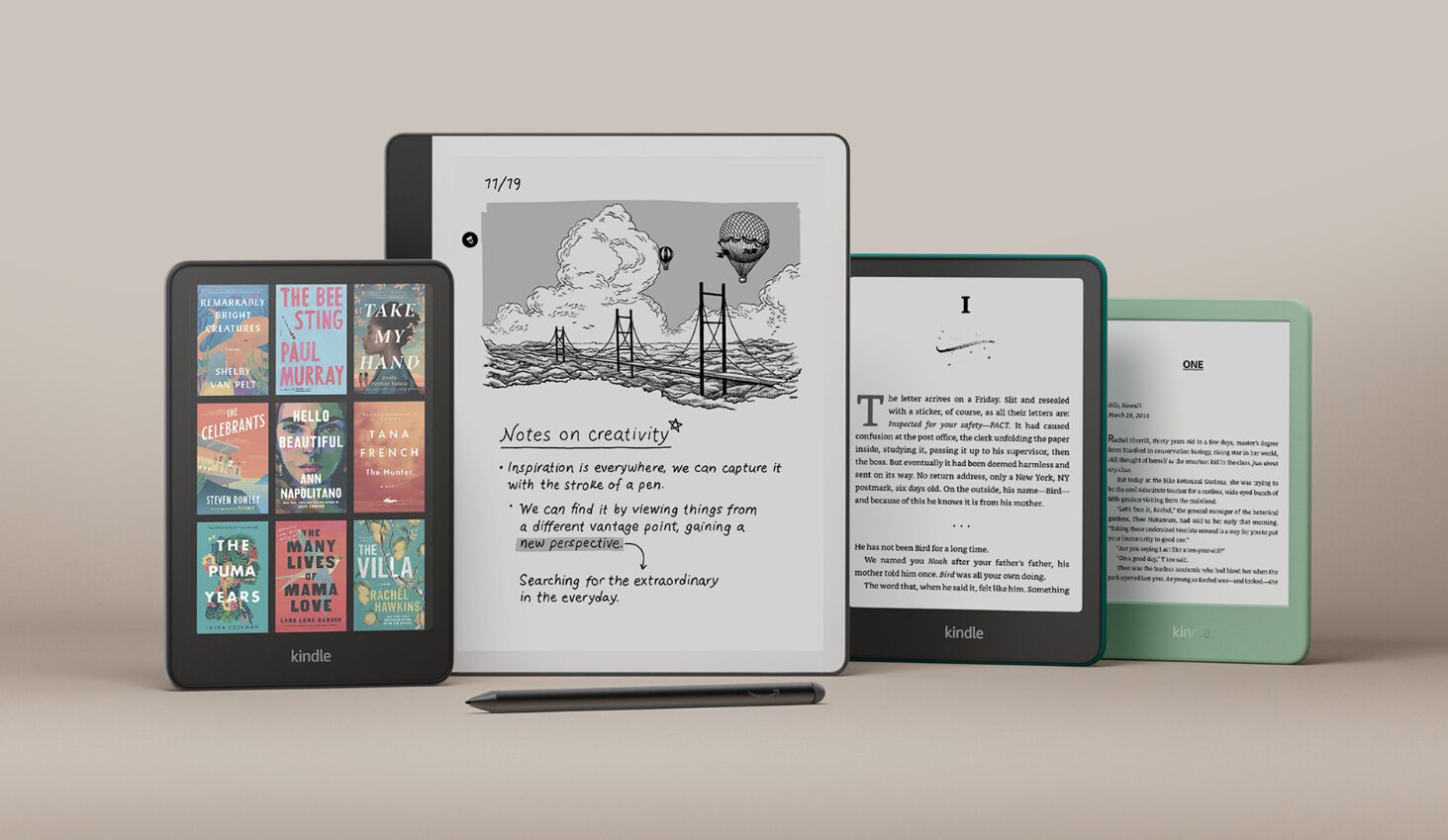
Your 2012 Paperwhite still turns pages like a champ, but Amazon just handed it a death sentence. After May 20, 2026, Kindles and Fire tablets released in 2012 or earlier lose access to the Kindle Store entirely. No new purchases. No library borrows. No fresh downloads.
The affected lineup reads like a greatest hits album:
- Kindle 1st and 2nd generation
- DX
- Keyboard
- Touch
- first-gen Paperwhite
- early Fire tablets
These devices defined e-reading for millions of users who never needed anything fancier than reliable page-turning and weeks of battery life.
What Amazon’s Really Saying
Corporate speak can’t hide the frustration of forced obsolescence.
Amazon spokesperson Jesse Carr defends the move, noting these devices “have been supported for at least 14 years — some as long as 18 years.” The company’s offering consolation prizes: 20% off new Kindles plus $20 in ebook credits through June 20, 2026.
Here’s the catch that’ll make your blood boil. Your Kindle works fine until you deregister it or perform a factory reset. Then it becomes an expensive paperweight. Amazon’s basically saying “don’t touch anything” while simultaneously pushing you toward their newer, pricier models.
Users Fight Back
Reddit explodes with anger over functional devices becoming digital trash.
The backlash feels like watching a Twitter meltdown in slow motion. Reddit users are livid, with comments like “How wasteful is it to make a product practically unusable” capturing widespread frustrating. When Google pulled similar moves with Nest devices, at least those had obvious hardware limitations.
This hits different because these Kindles aren’t broken. They’re just inconvenient for Amazon’s bottom line. With e-waste projected to hit 82 million tonnes by 2030, forcing perfectly functional devices into obsolescence feels particularly tone-deaf.
The workaround? Sideloading becomes your new best friend, letting you load non-Amazon books directly onto the device.
Your move now depends on how attached you are to Amazon’s ecosystem versus the principle of the thing.