Your smartphone’s ChatGPT queries are burning through electricity at a rate that would make Bitcoin miners blush. Behind the sleek interfaces and instant AI responses lies a power-hungry infrastructure that’s quietly reshaping America’s electrical grid—and potentially your monthly utility bill.
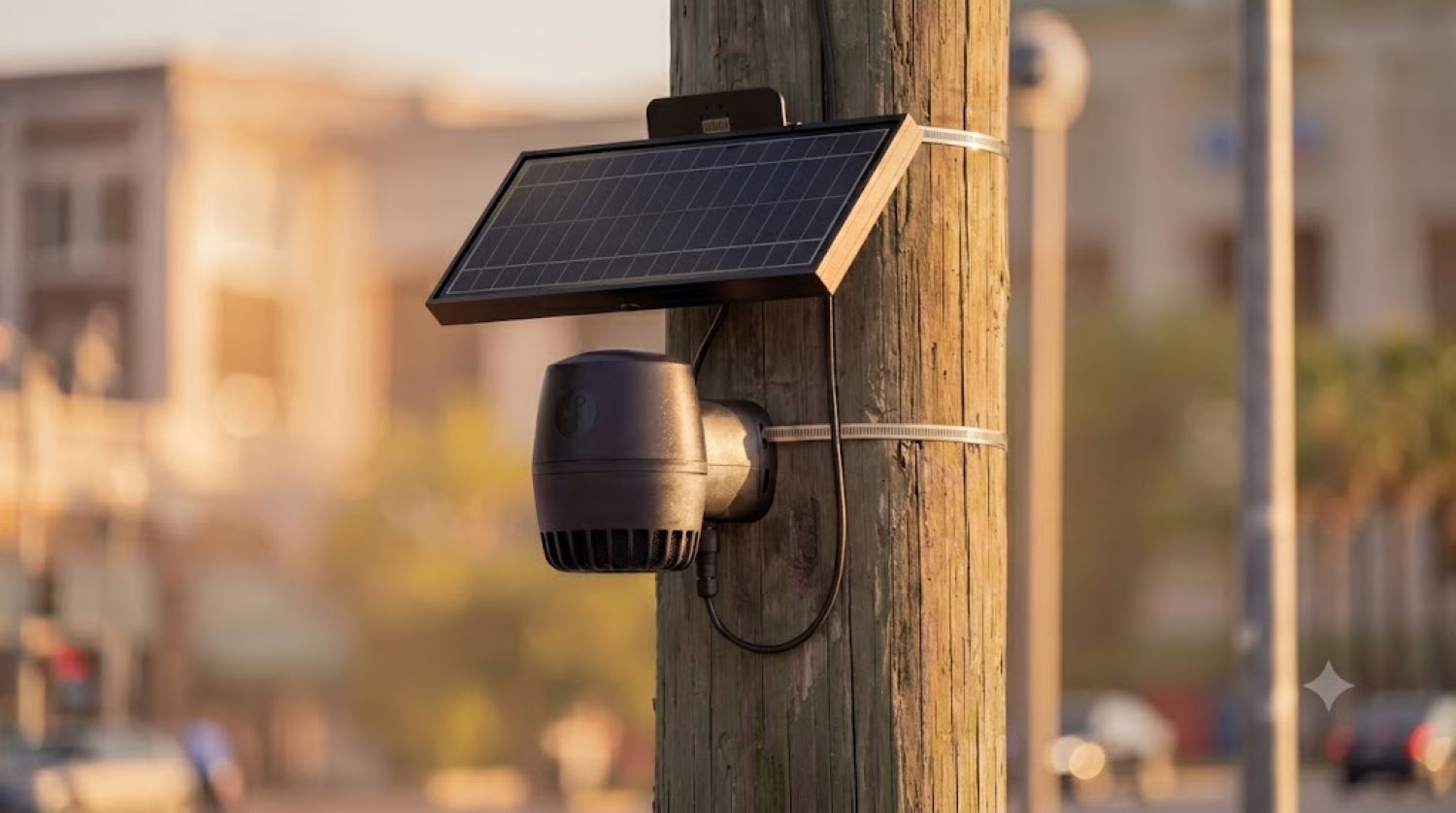
Image courtey of Easy-peazy.ai
The Hidden Energy Appetite
Every AI interaction consumes dramatically more electricity than traditional computing, with ripple effects across the national grid.
Each ChatGPT query devours 0.3 kilowatt-hours—ten times more than a Google search, according to energy research data. Scale that across millions of daily interactions, and you start understanding why U.S. data centers consumed 176-183 terawatt-hours in 2023-2024, equivalent to powering 16 million homes.
Traditional server racks sip 5-15 kilowatts of power; AI-powered GPU racks gulp 40-100+ kilowatts. That difference matters when projections show data center energy demand could reach 325-580 terawatt-hours by 2028—potentially 12% of total U.S. electricity consumption.
Washington’s Quiet Response
The administration is accelerating data center permits while tech giants make behind-the-scenes commitments about energy efficiency.
Trump’s AI Action Plan includes executive orders like “Accelerating Federal Permitting of Data Center Infrastructure” to speed federal permitting for data center builds, treating AI compute capacity like strategic defense assets. Amazon, Google, Meta, Microsoft, xAI, Oracle, and OpenAI have reportedly made commitments around renewable energy and efficiency improvements.
But details remain frustratingly vague. While 60+ organizations signed a White House AI education pledge in June 2025, energy-specific industry commitments haven’t been publicly disclosed.
The Transparency Gap
Consumer protection promises clash with continued data center expansion and unclear industry accountability.
According to Politico’s February 2026 reporting, questions remain about whether Trump’s AI-related power promises provide complete coverage, noting that data center expansion continues despite pledges to shield consumers from rising costs. The administration talks about energy dominance while data centers increasingly dominate energy consumption.
You’re left wondering: who’s actually accountable when your electricity bill climbs because AI infrastructure demands priority grid access? The math suggests someone’s paying for this computational feast—and it probably isn’t the hyperscalers building these power-hungry facilities.
The real kicker? This is just the beginning. As AI becomes more sophisticated and ubiquitous, expect these energy demands to grow exponentially, turning every voice command and photo enhancement into a small but significant drain on the power grid you’re ultimately funding.