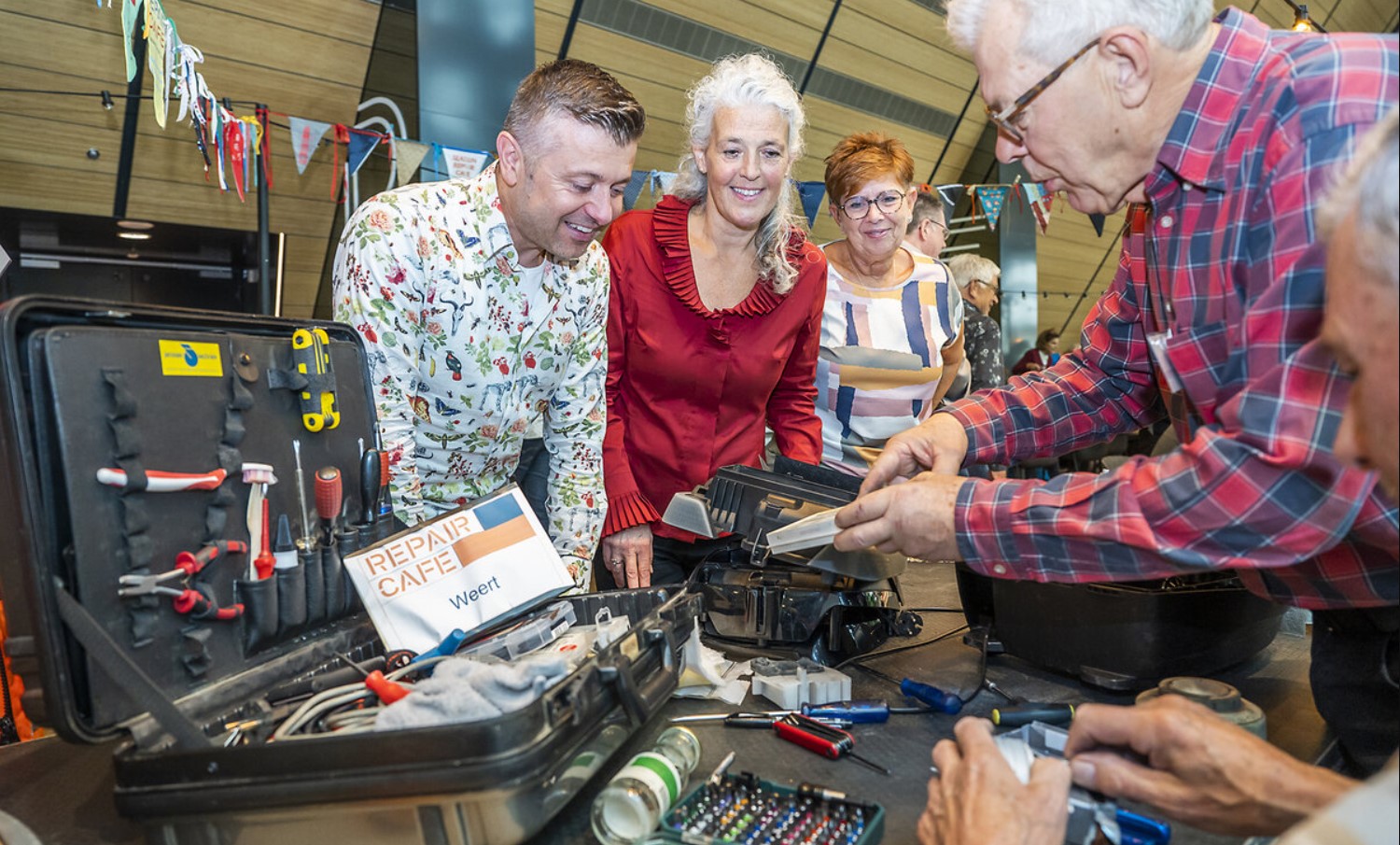
Behind a church parking lot in Decatur, Georgia, broken things get a second hearing. Residents arrive carrying lamps, clothing, furniture, musical instruments, and dull knives, while volunteers with the skills to match meet them on the other side.
The specialties on hand read like a lost trades directory: electricians, tailors, luthiers, carpenters, sharpeners. According to Grist, the event operates as a free community workshop where fixing something becomes a shared act rather than a solo frustration.
One Chair, Several Strangers, a Lesson in Construction
A decades-old family chair became one visitor’s introduction to how things are built and why that knowledge matters.
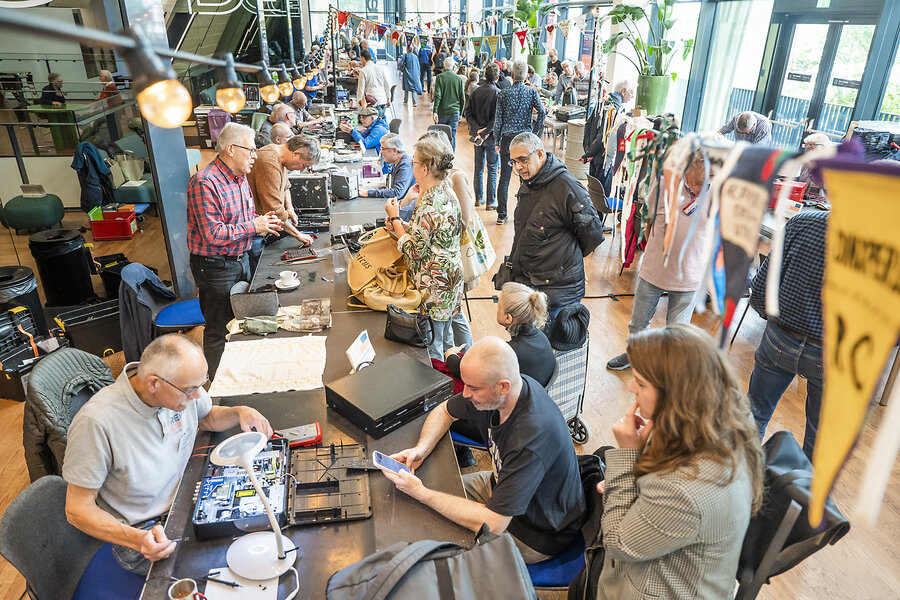
Lilly Pettus brought a decades-old family dining chair with failing joints, according to Grist. By the time she left, the joints were repaired and she understood, for the first time, how the chair had been built.
The object kept its history, and Pettus kept the object. Somewhere in that process, volunteers transferred hands-on knowledge that no product manual includes.
A Movement Born in Amsterdam
What began as a single event in the Netherlands in 2009 has since reached communities across four continents.
Repair Café International launched the concept in Amsterdam in 2009. It has since expanded to more than 40 countries, with the Christian Science Monitor reporting that more than 200 community repair programs now operate across the United States.
Repair Café US describes its events as free workshops where volunteer coaches help visitors repair broken belongings. The model is deliberately unglamorous: bring something broken, leave with something fixed.
The Numbers Behind the Needle and Screwdriver
The movement’s reach is growing, though its broader climate significance depends on systems that extend well beyond any volunteer network.
Repair Café International reported that its global network of events diverted more than 1.4 million pounds of broken appliances from landfills in 2023, a figure reported by the Christian Science Monitor. The organization states that extending product lifespans reduces demand for raw materials and energy, lowering associated carbon emissions.
Both claims come from the organization itself and have not been independently verified. Repair cafés represent one piece of a system that also requires durable product design, manufacturer accountability, and supportive public policy.
Free to Fix, Free to Learn
The practical benefits of a repair café extend from immediate cost savings to skills that carry forward.
Repair Café International describes its events as offering free assistance, so visitors can avoid replacement costs and professional repair fees while acquiring skills they may apply to future repairs. The social dimension is harder to quantify but no less significant, according to Grist.
Fixing something alongside a neighbor is a different experience than discarding it and ordering a replacement. The act shifts from a private transaction to collective problem-solving.
The Deeper Ask
Repair Café International treats repairability as a design and policy challenge, not just a weekend volunteer activity.
Repair Café International frames repairability as a design and policy question that extends beyond its events. The organization advocates for products built with accessible parts, clear repair guidance, and designs that do not resist independent maintenance.
The movement’s argument is not that volunteers can fix everything. It is that far more things should be fixable in the first place.