



Attacks in France pushed refrigeration units to around 50°C and destroyed food stocks. Britain moved quietly to prevent the same outcome, pulling thousands of internet-connected controllers off the public network before any UK systems were reported as compromised.
Europe Showed What Was at Stake
Hackers demonstrated that internet-connected refrigeration equipment was a viable and consequential target, with physical consequences that extended well beyond spoiled stock.
Hackers targeting commercial refrigeration systems in France manipulated controllers until units reached around 50°C, spoiling food stocks across multiple sites. A subsequent wave of cyberattacks hit businesses in other European countries, including Belgium. Destroyed perishables, operational disruption and reported fires showed that a software vulnerability could translate directly into real-world food-safety risks.
A British Manufacturer’s Controllers Carried a Separate Flaw
The UK’s initial confidence that it was less exposed than continental Europe did not survive scrutiny.
The UK was initially considered less exposed because its refrigeration sector relied on different equipment from the systems targeted on the continent. That assumption changed in late October, when refrigeration consultants Omega Solutions identified a vulnerability in controllers made by British manufacturer Resource Data Management, known as RDM. Security firm Pen Test Partners subsequently verified and expanded the findings before the concern was escalated to government agencies and affected businesses.
The weakness involved authentication failures resembling the credential problems exploited in Europe. RDM also indicated that exploitation required access to specific hardware, though a full technical advisory had not been published at the time of writing, so the precise conditions should be treated with caution. The broader pattern was familiar: weak credentials combined with direct internet exposure.
Government Agencies and Researchers Coordinated the Response
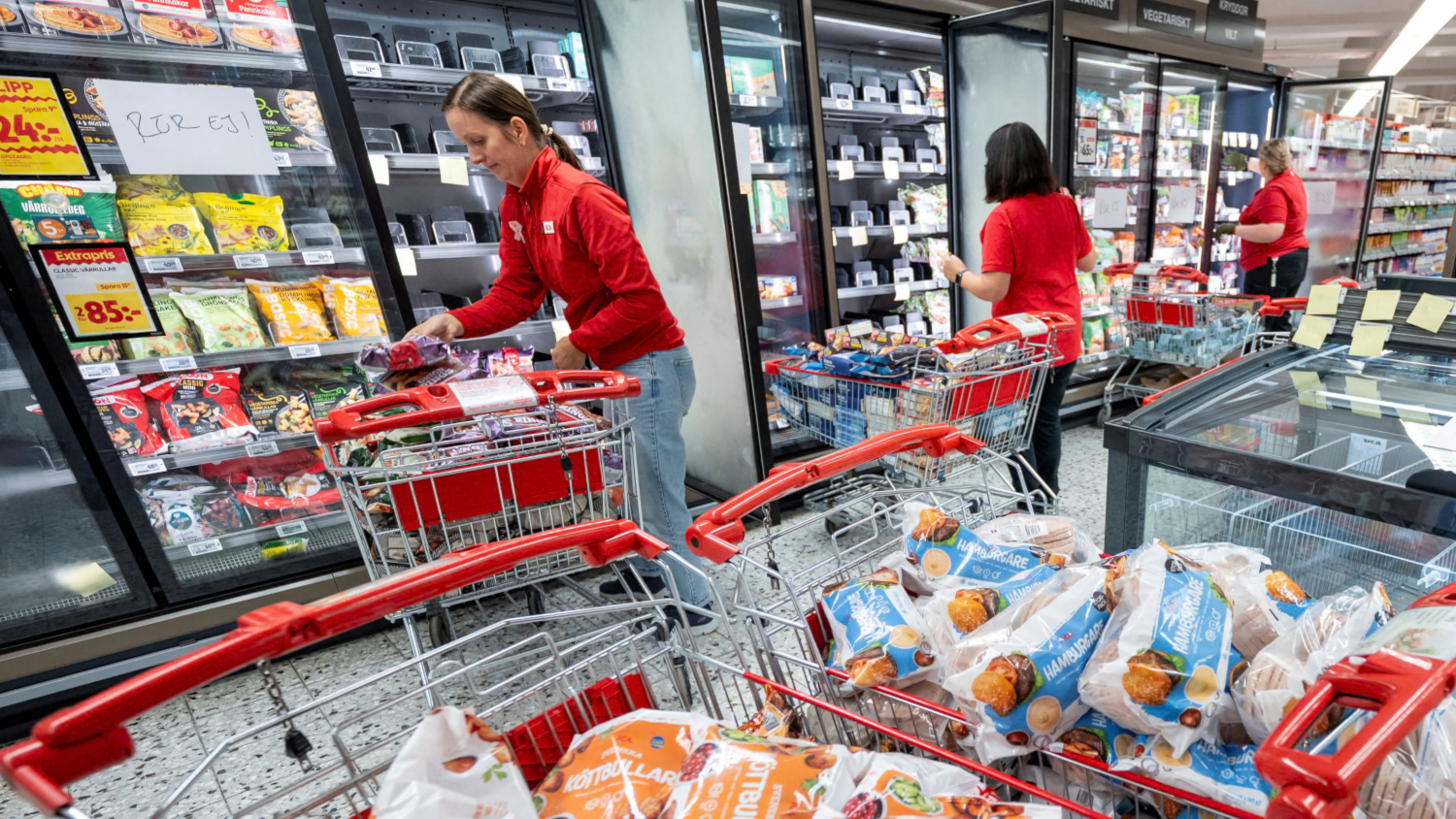
The scale of the remediation effort spanned supermarkets, warehouses, restaurants, petrol stations and stadiums.
The National Cyber Security Centre, the Department for Environment, Food and Rural Affairs, and the Food Standards Agency worked alongside researchers, RDM and affected organizations to identify exposed controllers and coordinate remediation. Thousands of controllers managing tens of thousands of refrigeration units were removed from the public internet.
Some devices were disconnected remotely. In other cases, supermarket IT teams physically pulled network cables and monitored temperatures manually while the situation was resolved.
Secrecy Was Deliberate
The operation was held back from public disclosure while patches and protective measures were being applied.
Disclosing the vulnerability before organizations had secured their systems would have risked helping attackers locate exposed controllers first. The reported rationale was to reduce the risk of exploitation while remediation was underway. RDM released patches and issued mitigation guidance to customers, and the company said it found no evidence of secret operational malicious activity on its controllers during the operation.
No UK Systems Were Reported as Compromised
The UK response was preventative, not a reaction to an active attack.
The reported operation was preventative, and RDM said it had found no malicious activity on its controllers. The European incidents demonstrated the physical consequences; the UK effort sought to prevent comparable exploitation. According to Cybernews, some smaller cold-chain operators may still carry exposure following the operation, though that applies to a specific segment and should not be read as a statement about UK refrigeration infrastructure broadly.
The Wider Problem Is Not Going Away
This incident illustrates a systemic gap in how operational technology is secured across critical supply chains.
Systems that control physical processes, including temperature management across a food supply chain, can be internet-connected without adequate network isolation, strong authentication, or current security support. A flaw in a controller that most people never think about can become a national food-security concern. Organizations running those controllers are rarely prepared to respond at the speed the reported UK operation required.