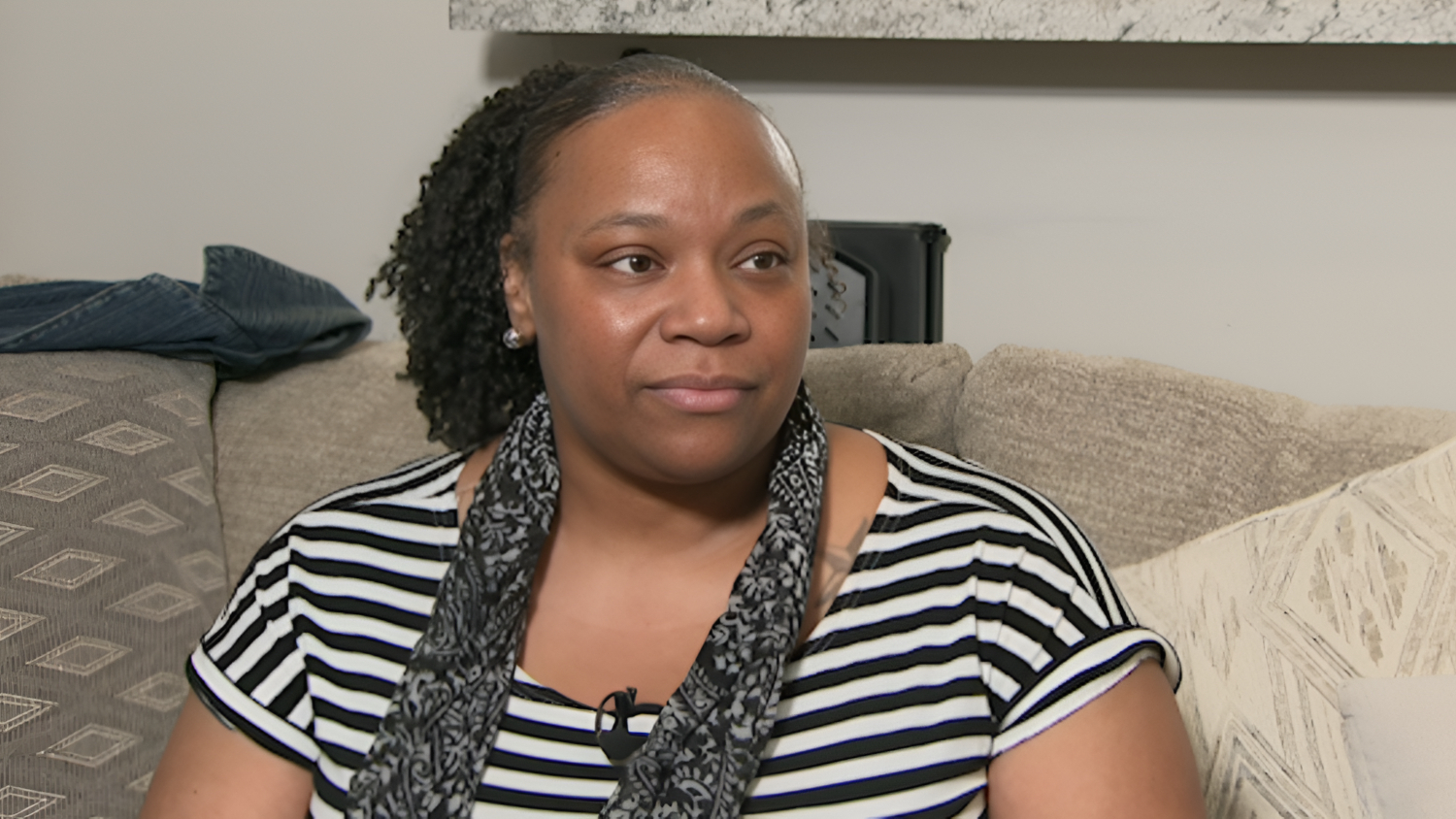
On Nov. 8, Mack received an email from what appeared to be her leasing office, asking when she could pay a stated balance of $3,934.17. She replied that Nov. 30 would work, and the response confirmed it.
The messages were signed with the Colony Townhome Apartments name, referenced her personal account details and mentioned an ongoing bathroom leak at her unit, according to WRAL. Nothing in those two emails indicated she was communicating with an automated system.
Eight Days Later, an Eviction Notice
The confirmation did not hold, and the leasing office pointed to its AI assistant, Olivia, as the source of the error.
On Nov. 16, Mack received an eviction notice. When she contacted the leasing office, she was told the Nov. 8 emails had been sent by Olivia, the property’s AI assistant, and that Olivia had made an error in agreeing to the payment date, according to WRAL. That account reflects what Mack said a leasing representative told her; Colony has not independently confirmed it.
Colony had previously told residents that Olivia was available around the clock to handle rent and maintenance questions. WRAL reported that Olivia’s standard messages were clearly identified as coming from an AI system. The two emails Mack received on Nov. 8 were not.
Contesting the Notice in Court
Mack brought her case to the Wake County courthouse, but the outcome has not been established in available reporting.
Mack went to the Wake County courthouse to challenge the eviction notice. No final legal ruling or settlement has been reported.
Available reporting also does not establish whether the email exchange constitutes a legally binding payment agreement. That question may bear directly on how the case proceeds.
Colony Has Not Responded
WRAL contacted the property by phone and email, and no comment had been received by publication time.
Colony Townhome Apartments did not respond to WRAL’s requests for comment before the story was published. Available reporting does not describe any changes the property has made to Olivia’s permissions or oversight procedures since the incident.
The Accountability Question This Case Raises
Mack’s experience shows how quickly the line between an AI assistant and an official leasing communication can dissolve.
When an automated system discusses account-specific details and confirms arrangements affecting a tenant’s housing status, the distinction blurs quickly. From Mack’s side of the inbox, the messages carried the property’s name, referenced personal account information and acknowledged a known maintenance issue. She had no visible signal that the exchange came from software rather than staff.
The case raises a pointed question about disclosure. Colony notified residents that Olivia could handle rent and maintenance inquiries, but the two emails at the center of this dispute carried none of that identification. Mack followed the instructions in a written exchange that bore several markers of an official communication. The eviction notice arrived eight days later.