SpaceX’s Starship Flight 15 launched on November 13, 2026, with Super Heavy Booster 22 aborting its planned return to the launch tower at the Boca Chica facility in Texas. The booster diverted to an offshore contingency area and came down over the Gulf of Mexico, near the U.S.-Mexico border, where it was destroyed. The Starship upper stage reportedly completed its orbital mission.
What Turned Up on Bagdad Beach
Fragments with apparent SpaceX markings reportedly washed ashore in Tamaulipas within four days of the booster’s destruction.
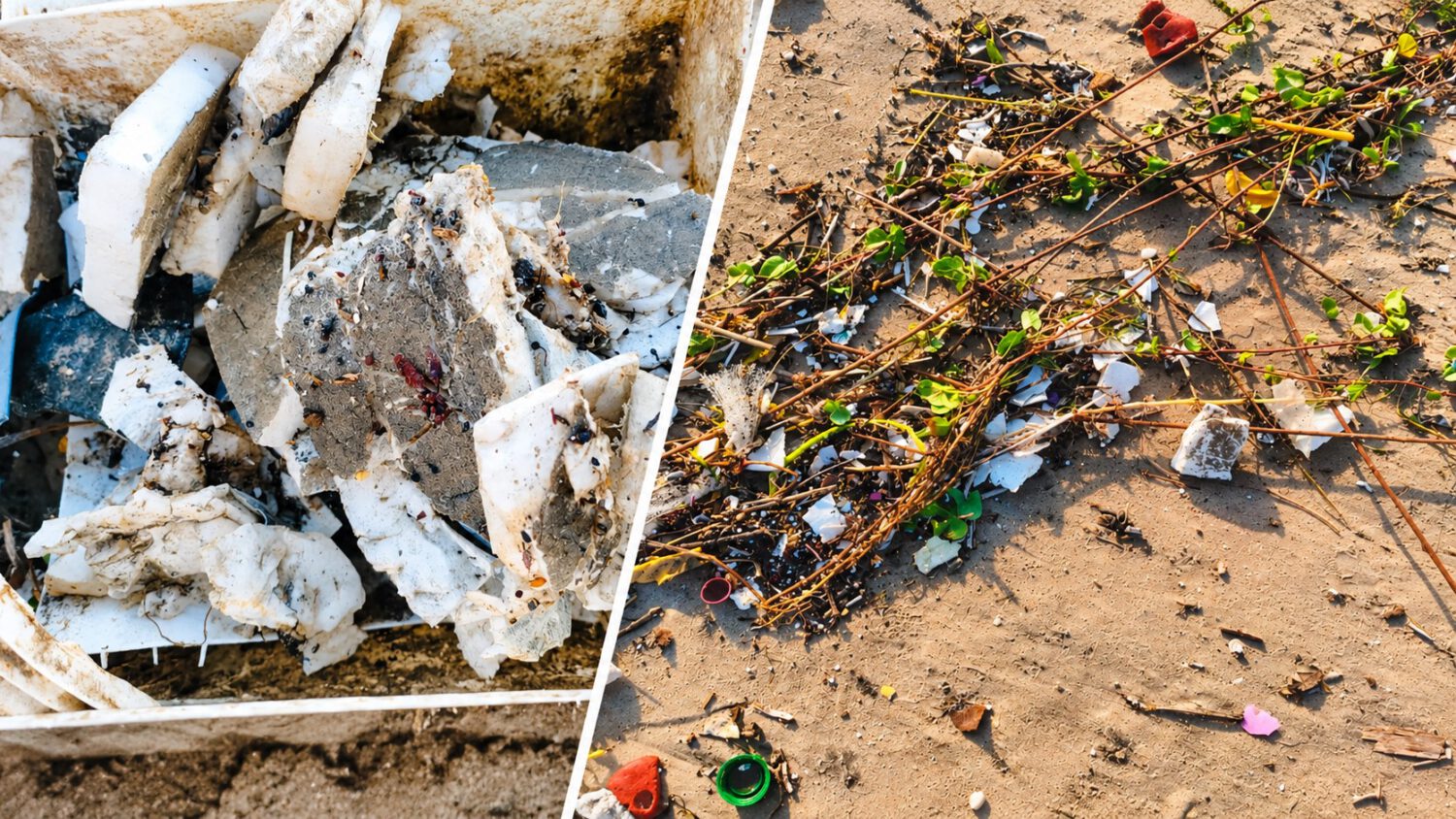
Conservation group Conibio Global reported suspected booster fragments on Bagdad Beach near Matamoros, Tamaulipas, attributing some pieces directly to SpaceX hardware. Reported materials included white plastic, gray tape, black rubber, blue adhesive, and several tanks, with some pieces allegedly carrying SpaceX markings. That identification has not been independently verified or officially authenticated.
Dead Animals, Unconfirmed Cause
Turtles, dolphins, and fish were found on the same beach, but no investigation has established why they died.
Conibio Global and news reports described dead turtles, dolphins, and fish observed along Bagdad Beach after the booster’s destruction. Images and video reportedly showed at least one dead turtle and one dolphin, though cause of death for any of the animals has not been determined.
That distinction matters. Finding dead marine animals near suspected rocket debris is a documented observation; concluding the rocket killed them requires a separate chain of evidence. That evidence includes necropsies, tissue toxicology, injury analysis, and comparison against baseline stranding rates in the area, none of which has been completed or publicly reported.
What a Real Investigation Looks Like
Establishing a link between the booster’s destruction and wildlife deaths requires specific, methodical work that takes time.
Authorities would first need to confirm the debris is SpaceX material and map its distribution along the shoreline. From there, veterinary pathologists would need to conduct necropsies on the recovered animals and test tissue samples for signs of trauma, chemical exposure, or ingestion of foreign material. Those findings would then need to be compared against baseline stranding rates in the same region before any causal claim could hold up.
Mexico’s Response
Mexico’s environmental enforcement agency moved quickly, though the cross-border accountability questions this incident raises have no clear answers yet.
PROFEPA (Mexico’s Federal Attorney General’s Office for Environmental Protection) dispatched inspectors to Bagdad Beach to identify and assess the material. The agency reportedly indicated it would ask SpaceX to take responsibility for the debris and advised the public not to touch suspected rocket fragments.
The incident raises harder questions about cross-border liability in commercial spaceflight. An American company’s offshore contingency zone can overlap with another country’s coastline. When that happens, the rules governing cleanup costs, environmental review, and habitat protection are not clearly established.
SpaceX’s Position
The company said inspections found little material clearly connected to Flight 15 and offered to send specialists to assist with identification and cleanup.
SpaceX disputed reports of widespread launch debris reaching Mexican shores, saying its own inspections found little material with a clear connection to the flight. The company maintained, citing independent testing, that its rocket materials posed no chemical, biological, or toxicological risks to people or wildlife; that assessment reflects SpaceX’s position and has not been independently verified. SpaceX also said it could provide specialists to help identify debris and assist with cleanup if requested.
An Open Investigation, an Unanswered Question
Until the debris is authenticated and cause of death is determined for the animals, the story sits exactly where the evidence leaves it: unresolved.
PROFEPA’s investigation is ongoing. The suspected fragments have not been officially confirmed as SpaceX material, and no veterinary or toxicological findings on the dead wildlife have been released. If the debris is ultimately authenticated, regulators in both the United States and Mexico will face pointed questions about accountability. Those questions center on retrieval responsibility, liability for offshore contingency events in international coastal zones, and what environmental review should govern future launches where the fallout zone extends beyond U.S. territorial waters.