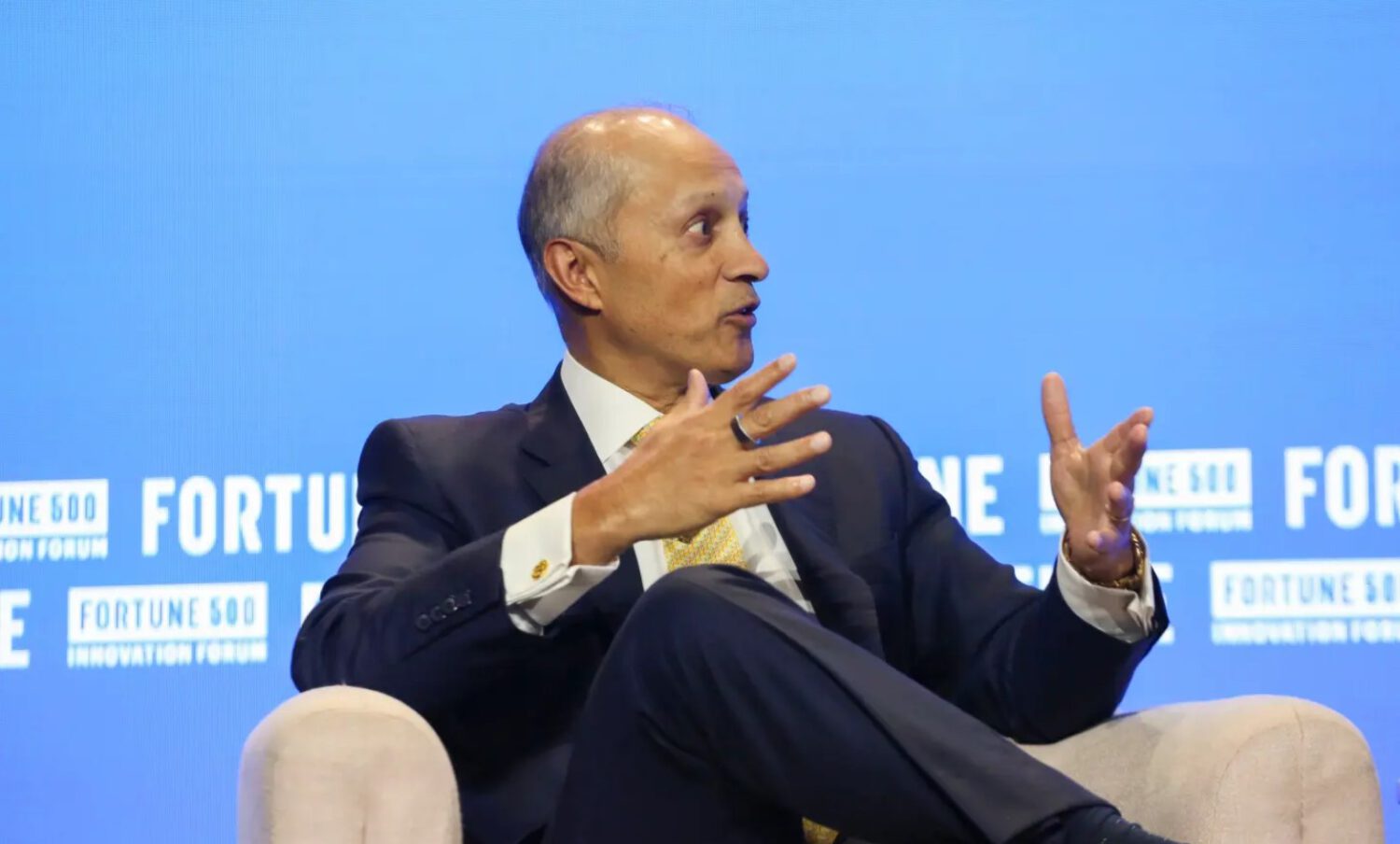
Two of every three Stryker robotic knee replacements now happen robotically, and that installed dominance shapes the company’s next moves, including a firm position on where its machines get made. Kevin Lobo, Stryker’s chair and CEO, stated the manufacturing position clearly at the Fortune 500 Innovation Forum in Detroit, as reported by Fortune.
“We have no plans to make any robots in China. The IP is a massive worry.” Kevin Lobo, chair and CEO, Stryker.
He added that Chinese companies are already copying other surgical robots, framing the decision as an IP containment strategy rather than a cost calculation. That allegation is Lobo’s characterization, not independently established fact.
The scale of what Stryker is protecting is substantial. The Mako SmartRobotics platform has logged more than 2.5 million procedures in more than 47 countries, according to Stryker, which also cites more than 2,000 global patents and patent applications associated with the system.
Chinese competitors are scaling internationally, though not yet in Stryker’s core orthopedic market. Shanghai-based MicroPort MedBot reported more than 300 global orders for its Toumai soft-tissue surgical robot, according to Fortune. MedBot also reported installations in more than 60 countries and annual production capacity of up to 500 units.
Toumai operates in soft-tissue surgery, not orthopedic joint replacement, so it does not directly compete with Mako. Lobo told Fortune he is watching Chinese companies for possible innovations in other anatomical specialties but does not consider them an imminent threat to Stryker’s current businesses.
He pointed to clinical and procedural experience as a barrier that engineering capability alone may not quickly overcome. That assessment is Lobo’s view, not an independently verified market analysis.
Procedure data collected by Stryker’s robots is another dimension of the company’s position. Lobo said that data belongs to Stryker, subject to HIPAA and applicable rules, and described potential uses such as comparing procedure times across surgeons. The contractual terms hospitals and surgeons agree to, and the competitive value of that accumulated dataset, have not been addressed publicly in detail by the company.
On the growth side, Stryker announced a roughly $400 million preferred-equity investment in CMR Surgical, along with an exclusive option to acquire the company and a role as exclusive U.S. sales agent for CMR’s Versius robotic system. The deal remains subject to regulatory approvals and customary closing conditions, per Stryker’s announcement.
Versius is a modular soft-tissue system designed for varied operating-room environments. Stryker is positioning it as a smaller and potentially less expensive option for procedures such as gallbladder removal and hernia repair, particularly in ambulatory surgery centers.
CMR’s latest system has received FDA clearance for gallbladder procedures, with additional soft-tissue indications planned, according to MedTech Dive. Verification against primary FDA documentation is recommended before treating that clearance as confirmed.
The soft-tissue robotics market is currently led by Intuitive Surgical, with Johnson & Johnson and Medtronic also competing. Industry analysts cited by MedTech Dive said the Stryker-CMR combination is unlikely to displace Intuitive’s da Vinci system quickly. The combination could, however, intensify competition at the margins, particularly against other challengers rather than the market leader.
The expansion comes against a softer financial backdrop. Stryker cut its 2026 organic sales-growth forecast to 6.5–7%, down from 8.3–9.3% in July, according to Fortune. Lobo acknowledged the company had not been winning business at its historical rate, though he said Mako sales remained strong.
On soft-tissue robotics broadly, Lobo offered a direct prediction: “Trust me, it’s coming, and it’s going to come pretty fast.”