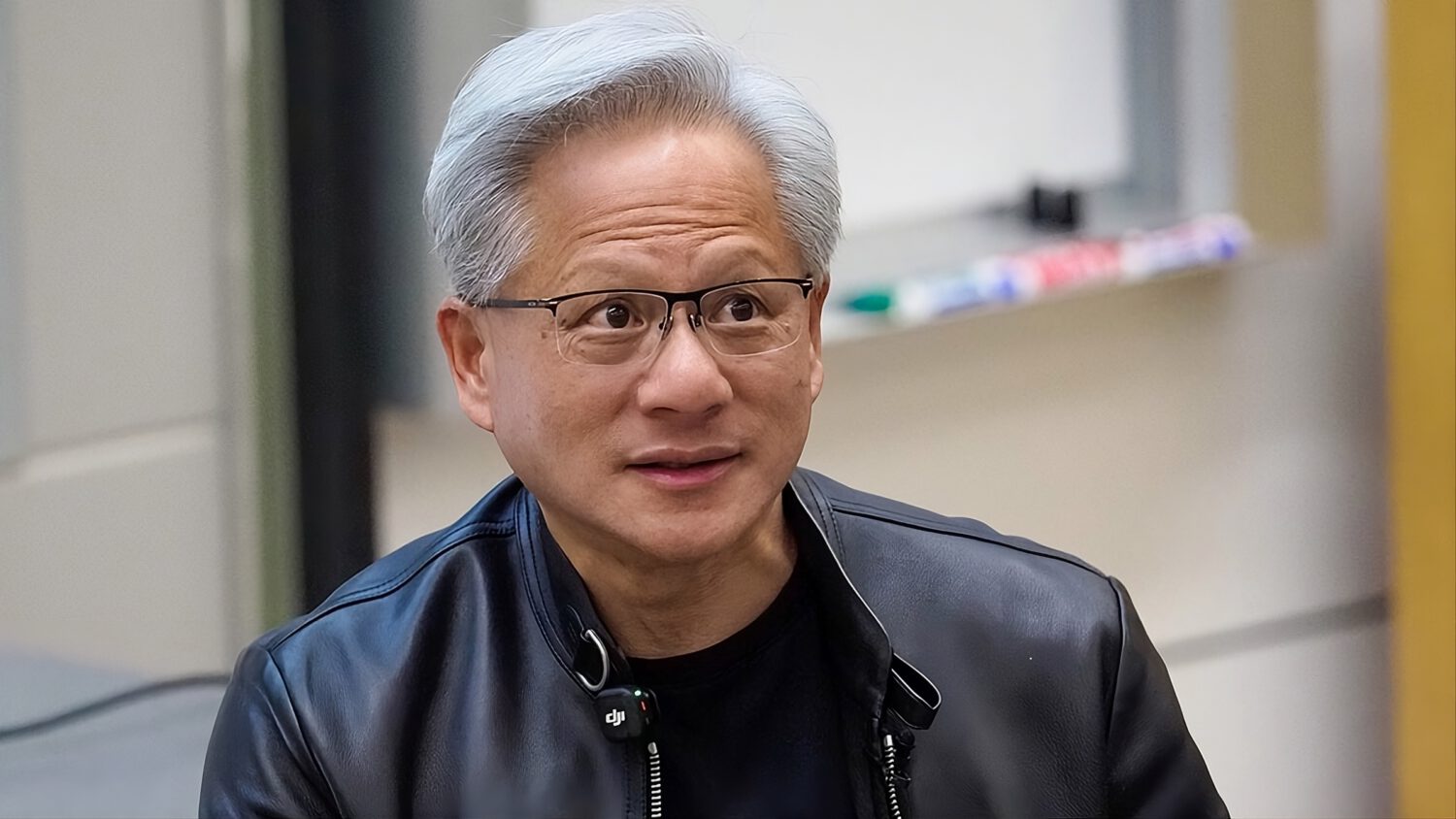
Huang resigned as Nvidia’s president, chief executive, and board member following reports of extramarital relationships, including one involving a woman suspected by U.S. officials of links to Chinese intelligence and a separate alleged relationship with an Nvidia executive. Now, according to people familiar with the matter, he has discussed the possibility of returning as CEO with confidantes, even as Nvidia’s board conducts an independent investigation into the conduct surrounding his departure.
A Campaign, With Signatures and Celebrity Backers
A public reinstatement push has drawn backing from prominent technology figures.
A public “Bring Jensen Back” petition has surpassed 155,000 signatures, according to reports citing the petition at the time that figure was recorded. Tesla and SpaceX CEO Elon Musk and Epic Games CEO Tim Sweeney have reportedly backed the campaign.
Musk’s Argument: The Deals Leave With the Man
Musk has argued that Nvidia’s most important relationships are tied to Huang personally.
Musk reportedly contended that critical Nvidia supply-chain relationships and commercial agreements depend on Huang’s personal credibility and handshake deals. He argued, according to reports, that the company risks losing those agreements without Huang in place, though no independent evidence of that risk has been supplied.
Investors Want the Board to Slow Down
Two prominent Nvidia shareholders have urged the board to preserve its options before committing to a successor.
Altimeter Capital’s Brad Gerstner and Atreides Management’s Gavin Baker separately urged Nvidia’s board to avoid a rushed succession decision and to keep all options open, including the possibility of Huang’s reinstatement, according to reports. Those statements have not been confirmed through primary sources.
Employees and Allies Are Pushing From Multiple Directions
Internal support for Huang remains visible, and outside pressure on the board is reportedly growing.
Nvidia employees have publicly called for Huang’s return, according to reports, signaling that loyalty inside the company remains strong. Silicon Valley allies are also reportedly organizing a broader effort to press the board, with some said to be considering a request for White House support, though no named participants or official statements have been confirmed.
The Board’s Official Position
Nvidia has confirmed its interim leadership and begun a formal search.
Chief Financial Officer Colette Kress is serving as interim CEO while the board manages the independent investigation and prepares a formal search for a permanent successor. Nvidia has not announced a timeline or a shortlist.
Haas Surfaces as a Candidate; Nvidia Pushes Back
Reports about a possible external successor have drawn a quick denial from the company.
Arm CEO Rene Haas has been reported as a possible external successor, according to multiple outlets. Nvidia said it had not formally engaged any candidate and characterized the speculation as premature, according to those same reports, though the company’s statement has not been independently confirmed through a primary source.
The Structural Problem With a Comeback
Huang’s lack of a controlling stake means the board holds the decisive vote.
Huang does not hold a controlling stake in Nvidia, according to reports, meaning the board retains the final say regardless of how much external pressure mounts. That position may harden further given calls from policymakers for significant leadership changes at the company.
The Question the Board Cannot Avoid
The board must weigh Huang’s record against unresolved conduct and compliance concerns.
Nvidia’s directors must weigh an extraordinary record building the company into a leading force in AI chips against unresolved questions about personal conduct and compliance oversight. Those deliberations also carry reputational risk tied to allegations involving a suspected Chinese intelligence connection, allegations that Nvidia said it was investigating while noting it had no reason to believe secrets were compromised. How the board resolves that tension will define not only who leads Nvidia next, but whether its governance structures can hold under sustained external pressure.