Before iOS and Android became the undisputed rulers of mobile, a diverse ecosystem of platforms competed for dominance. Each brought distinct innovations—from groundbreaking multitasking to enterprise security that governments trusted. Yet innovation alone couldn’t guarantee survival. This curated list explores the systems that shaped mobile computing’s pivotal era, revealing how strategic missteps, market forces, and timing sealed their fates. Their stories illuminate why today’s duopoly exists and what lessons remain relevant as new platforms continue to emerge.
9. Symbian OS
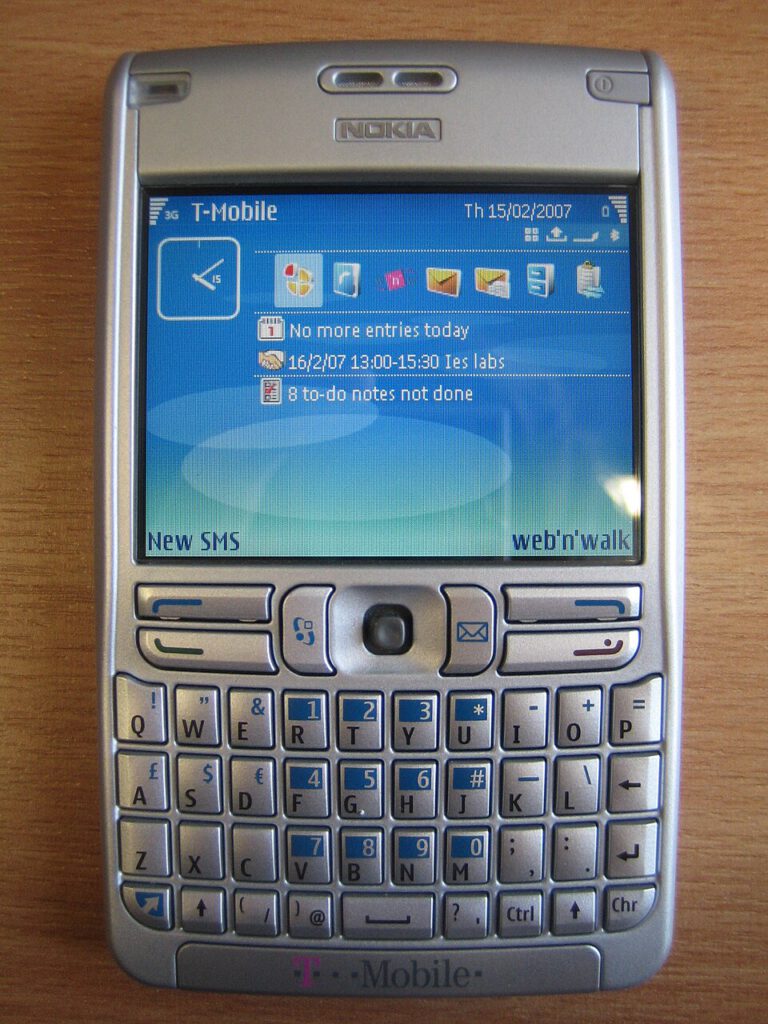
Symbian pioneered smartphone multitasking but couldn’t evolve beyond physical buttons.
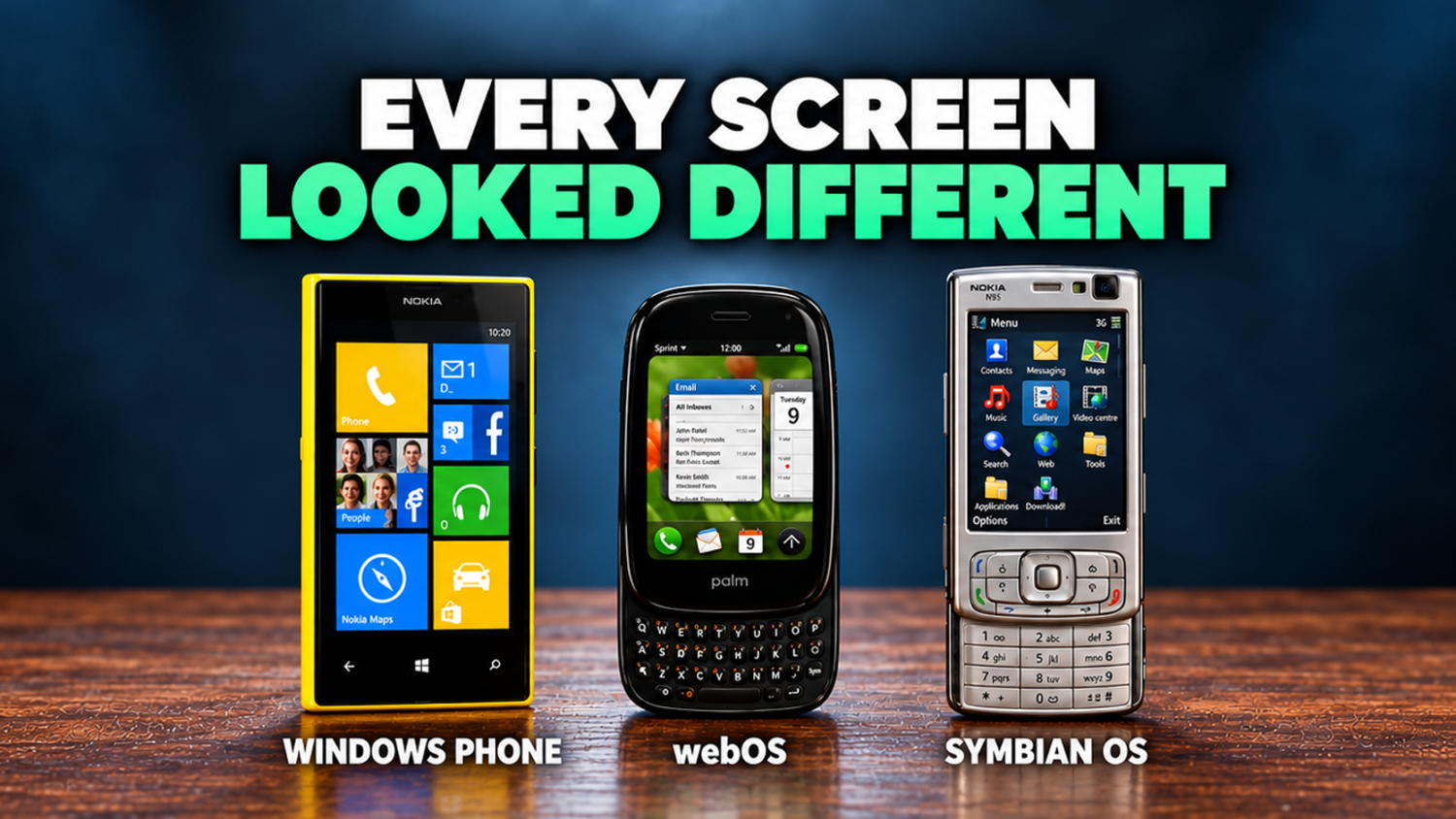
Symbian OS evolved from Psion’s EPOC platform to become one of the dominant mobile operating systems during the 2000s. It supported background multitasking and user-installable applications—features epitomized by the Nokia N95’s multimedia capabilities in 2007. Across different interface families like Series 60, UIQ, and Series 80, Symbian powered everything from the Ericsson R380 to Nokia’s Communicator series.
However, Symbian’s architecture was designed for an era of physical buttons and small displays. Touchscreen implementations felt clunky and unresponsive compared to what iOS introduced. Nokia announced its strategic shift to Windows Phone in February 2011, beginning Symbian’s wind-down, though devices like the Nokia 808 PureView continued afterward. A platform built for yesterday’s hardware couldn’t compete in tomorrow’s market.
8. BlackBerry OS
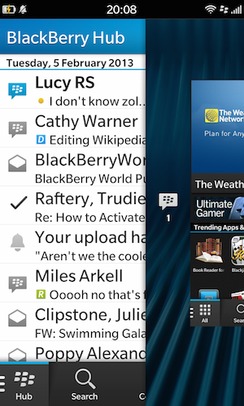
Push email and QWERTY keyboards made BlackBerry the professional’s essential tool.
Research In Motion’s BlackBerry OS devices became widely adopted by professionals, business users, and government officials who required constant, secure connectivity. Push email arrived instantly. The tactile QWERTY keyboard made managing communications straightforward. Enterprise security was robust enough that government agencies standardized on the platform. BlackBerry Messenger offered reliable mobile messaging that connected users before mainstream social networks dominated.
Executive leadership reportedly dismissed the iPhone in 2007 as a niche product. This miscalculation led to hasty responses like the BlackBerry Storm, a touchscreen device criticized for software and hardware problems. BlackBerry 10 arrived in 2013 facing an established iOS-Android duopoly. Developer support lagged dramatically behind competitors. The company that defined mobile email couldn’t adapt quickly enough when the market demanded comprehensive app ecosystems.
7. webOS
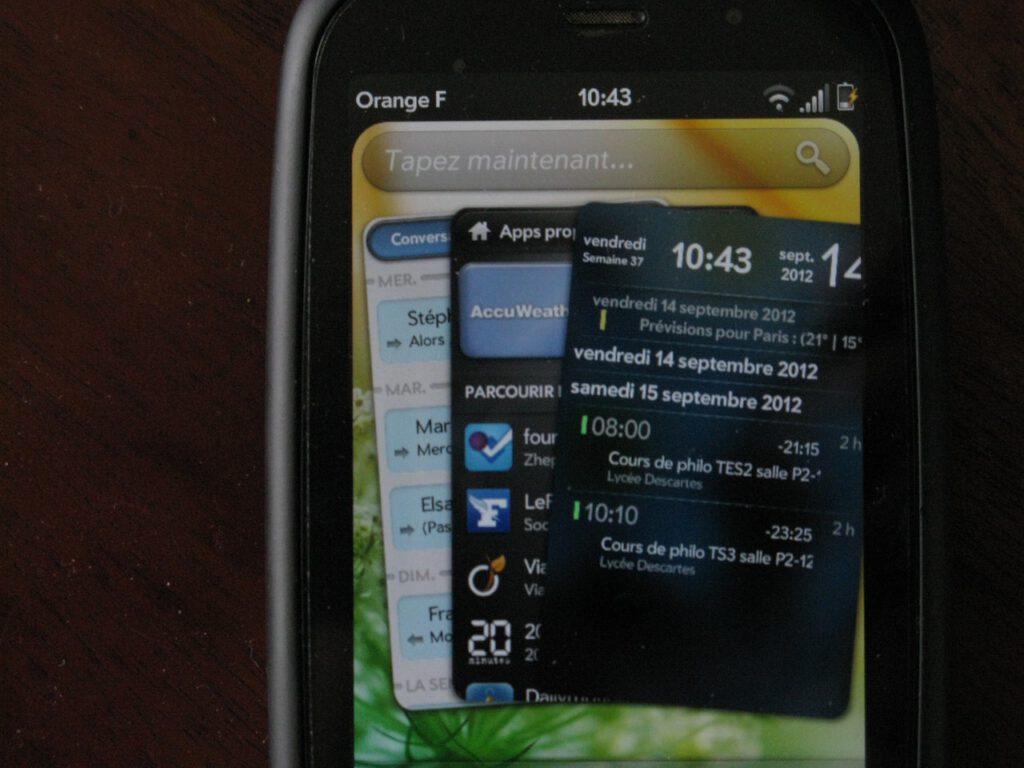
Card-based multitasking from webOS influenced the smartphone interfaces that followed.
Palm introduced webOS in January 2009 with the Palm Pre, built on an open, Linux-based architecture. Its card-based multitasking let users swipe between running applications represented as live, scrollable cards. Checking email, jumping to a calendar, then returning to messaging happened fluidly. Notifications slid in from the bottom without interrupting workflow. Integrated account linking simplified setup across services.
Hewlett-Packard acquired Palm in 2010 for approximately $1.2 billion. The HP TouchPad tablet launched in 2011 with significant performance issues and unclear market positioning, leading HP to cancel webOS hardware development quickly. Despite its brief commercial life, webOS’s interface concepts—particularly card-based multitasking and unified notifications—appeared in later mobile operating systems. Smart television platforms eventually gave webOS a second act.
6. MeeGo OS
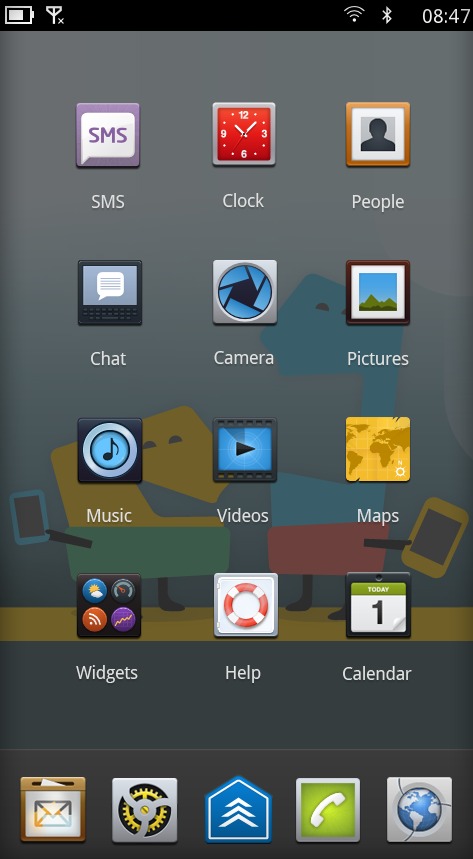
Nokia’s N9 showcased gesture-driven interface design before abandoning MeeGo entirely.
MeeGo emerged from the combination of Nokia’s Maemo and Intel’s Moblin projects, with Linux Foundation involvement, around 2011. The platform targeted multiple device categories, including smartphones and in-vehicle systems. The Nokia N9, released in 2011, became its best-known commercial smartphone implementation. Its interface centered on swipe gestures and a button-free front design, creating minimalist navigation that felt responsive and modern.
Nokia’s February 2011 announcement that Windows Phone would become its primary smartphone platform effectively ended MeeGo’s future. Despite the N9’s innovative design and fluid user experience, Nokia provided minimal marketing support. Corporate strategy shifted focus away before the platform could establish market presence. MeeGo remains a demonstration of what gesture-driven interfaces could accomplish when hardware and software aligned.
5. Windows Phone OS
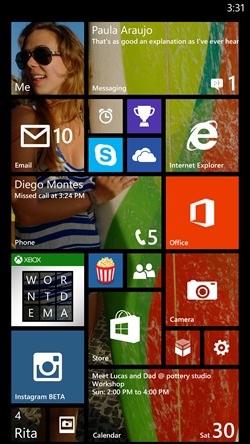
Metro’s Live Tiles delivered real-time updates, but critical apps never arrived.
Microsoft launched Windows Phone 7 in 2010 with substantial investment backing a distinctive Metro interface. Colorful Live Tiles displayed changing information directly on home screens, showing email previews, weather updates, and calendar appointments without opening apps. The platform delivered smooth performance even on cheaper hardware, and Nokia’s Lumia devices provided quality hardware partnerships.
The persistent challenge was the app gap. YouTube and Snapchat were among many popular services without official Windows Phone versions. Developers prioritized iOS and Android, where larger user bases justified development investment. Purchasing a well-designed Lumia meant accepting that essential applications simply wouldn’t exist. Microsoft ended active Windows Phone development by 2017. Innovative interface design couldn’t overcome an incomplete ecosystem.
4. Firefox OS
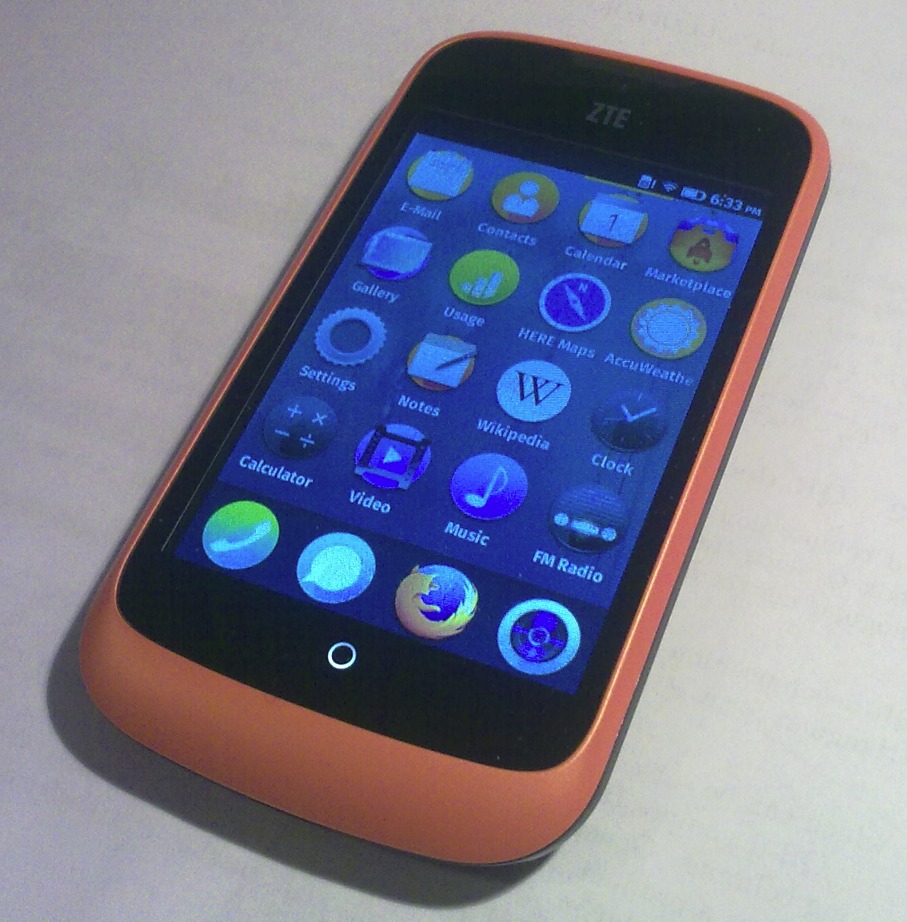
Mozilla’s HTML5 platform targeted emerging markets but arrived as Android prices dropped.
Mozilla launched Firefox OS in 2013 as a lightweight platform built on open web standards, particularly HTML5. Low hardware requirements meant it could run on affordable components, targeting emerging markets where price sensitivity was highest. Applications used web technologies rather than native code. The vision was democratizing smartphone access for users priced out of existing platforms.
Market dynamics shifted rapidly. Entry-level Android component costs fell while Google’s Android One initiative offered capable devices at competitive prices. Consumers compared a Firefox OS phone with limited web-based applications against similarly priced Android alternatives with full app store access. Mozilla announced the end of smartphone development with Firefox OS 2.6 in February 2016, acknowledging it hadn’t created a sufficiently compelling value proposition against established competitors.
3. Bada OS
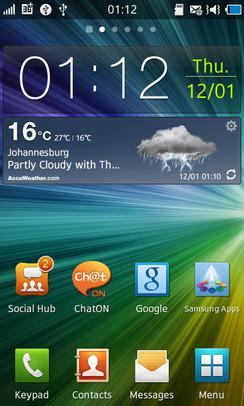
Samsung’s Wave devices moved millions, but Bada couldn’t match Android’s momentum.
Samsung launched Bada OS in 2010 as a proprietary mobile operating system for smartphones. The name meant “ocean” in Korean. Bada targeted mainstream and lower-cost devices, particularly the Samsung Wave series, which moved substantial volume. The TouchWiz-influenced interface felt familiar to Samsung device users. For a time, Bada held notable market presence in specific regions.
Developer support remained weak compared to iOS and Android. The Bada app store lacked the breadth consumers expected. Samsung’s Galaxy S Android series gained significant traction, demonstrating where the market was heading. Samsung eventually discontinued further Bada phone development, with successor initiatives incorporating related work into Tizen OS. Android’s developer ecosystem and consumer preference made the strategic choice clear.
2. Tizen OS
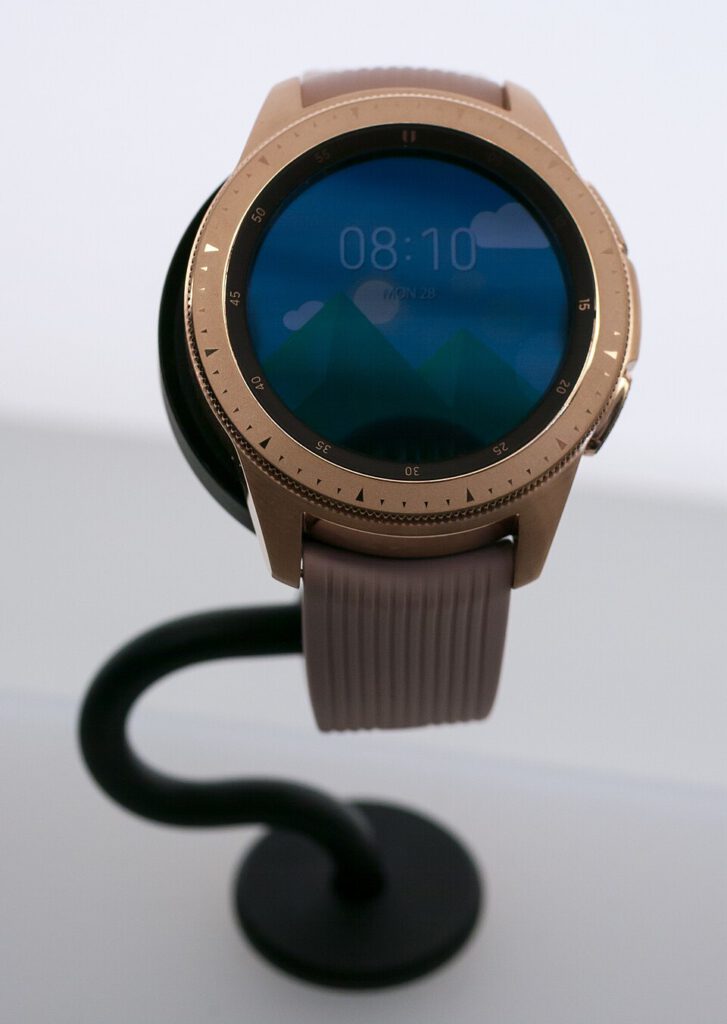
Tizen found success in smart TVs and early Galaxy Watches despite limited smartphone adoption.
Tizen emerged around 2011 through cooperation among Samsung, Intel, and the Linux Foundation, combining work related to Bada and MeeGo. The Linux-based platform was designed for flexibility across smartphones, tablets, televisions, vehicles, and wearable devices. Smartphone adoption remained limited, primarily on Samsung’s budget Z-series devices. Establishing developer support for yet another mobile platform proved difficult against iOS and Android dominance.
Beyond smartphones, Tizen found meaningful application. Samsung used it extensively in smart television products, where it became the company’s primary TV operating system. Earlier Galaxy smartwatches ran Tizen, offering battery efficiency and responsive performance across multiple-day use. Samsung announced a shift to Google’s Wear OS for newer Galaxy Watch products in 2021, though Tizen continues in Samsung’s television lineup where its success has been clear.
1. Palm OS
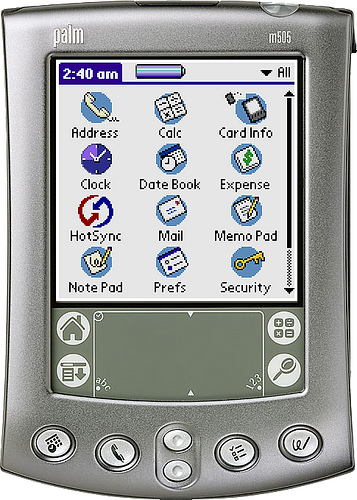
Palm defined PDA productivity but couldn’t transition its architecture to always-connected smartphones.
Introduced in the 1990s, Palm OS became highly influential in the personal digital assistant market during the late 1990s and early 2000s. It offered efficient calendar, note, and contact management with desktop synchronization. The Graffiti handwriting system and stylus input became signature interaction methods. Palm Treo smartphones later combined these productivity features with physical keyboards and cellular connectivity, becoming popular among business professionals.
Palm OS’s core architecture predated modern always-connected smartphone requirements. Security capabilities for modern web browsing were limited. Later versions and extensions supported multimedia functions, but native support lagged competitors. True background multitasking presented challenges. Palm eventually replaced the platform with webOS in 2009. Palm OS pioneered mobile productivity concepts that influenced smartphone design, even as its technical foundation couldn’t sustain evolution into the touchscreen, app-driven era.