The U.S. Consumer Product Safety Commission recalled approximately 24,000 VIVI e-bikes in July 2025 after 14 overheating incidents, including three fires. Budget e-bikes promise affordable transportation, but some models carry serious safety risks—from battery fires to brake failures—that turn a money-saving purchase into a liability. Understanding which models present documented hazards helps you make informed decisions about reliable, safe transportation. This guide examines specific models with verified safety issues and common problems reported across budget e-bike categories.
12. Hyper E-Ride 26-inch
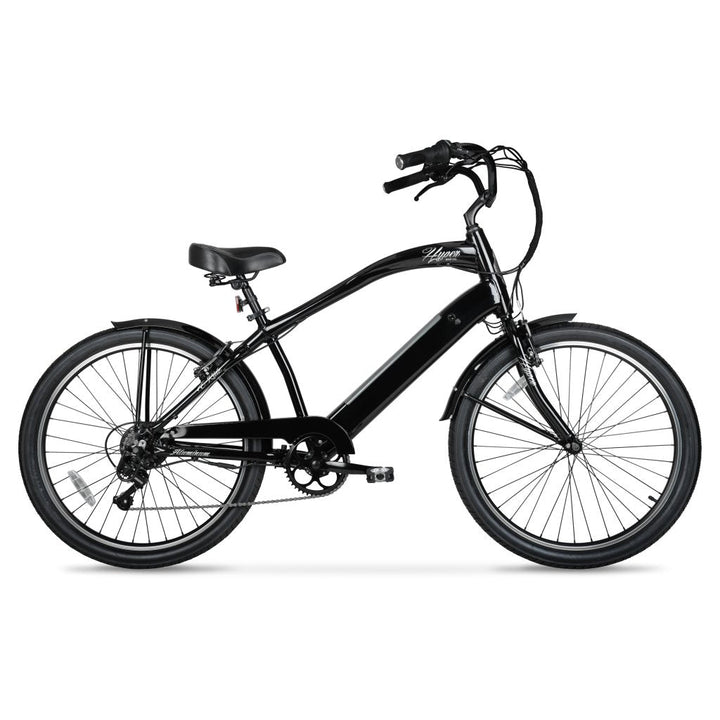
Frame flex and brake concerns affect this entry-level mountain bike.
The Hyper E-Ride is an entry-level electric mountain bike sold through Walmart, featuring 26-inch wheels, an aluminum frame, front suspension, hub motor, and V-brakes. Some riders report frame flex during use and concerns about braking performance under load. The front suspension, while present, may not provide the dampening expected on rougher terrain.
V-brakes, common on budget models, require regular adjustment and cable maintenance to function properly. On heavier e-bikes, mechanical brakes demand more frequent inspection than on traditional bicycles. Anyone considering this model should verify brake setup before first use and plan for routine cable and pad checks.
11. Swagtron EB5 Pro
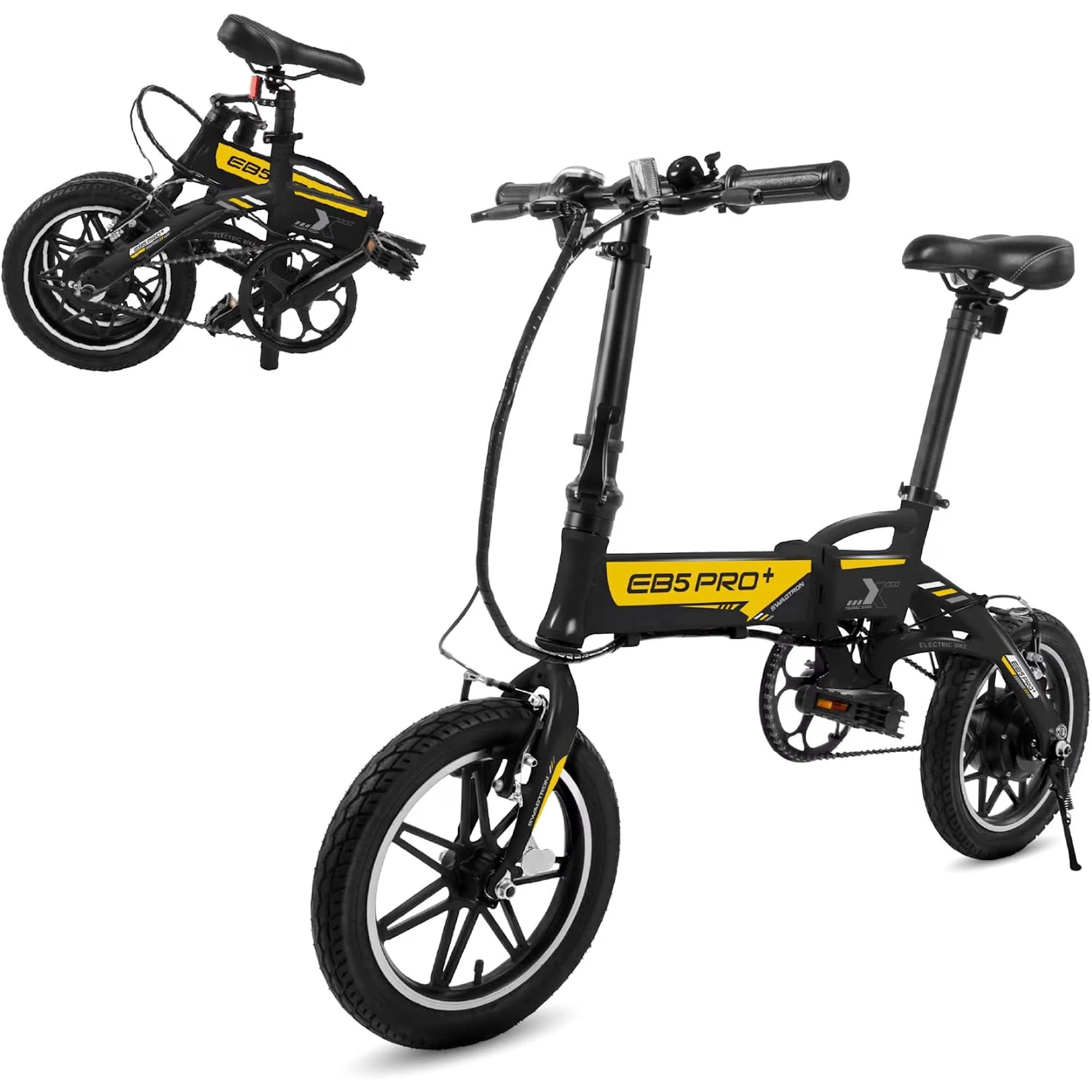
Compact folding design meets real-world range limitations.
The Swagtron EB5 Pro is a compact folding electric bike designed for short urban trips. Its advertised 30-mile range depends heavily on rider weight, terrain, speed, temperature, and assistance level. Throttle-only use typically reduces range significantly—often to roughly half the maximum figure.
The built-in lithium-ion battery is non-removable, which can complicate replacement if capacity degrades over time. Battery performance naturally declines with repeated charge cycles; after a year of regular use, expect noticeably shorter range. The V-brakes require periodic adjustment, and riders should inspect cable tension and pad wear regularly to maintain stopping power.
10. Jetson Bolt Pro
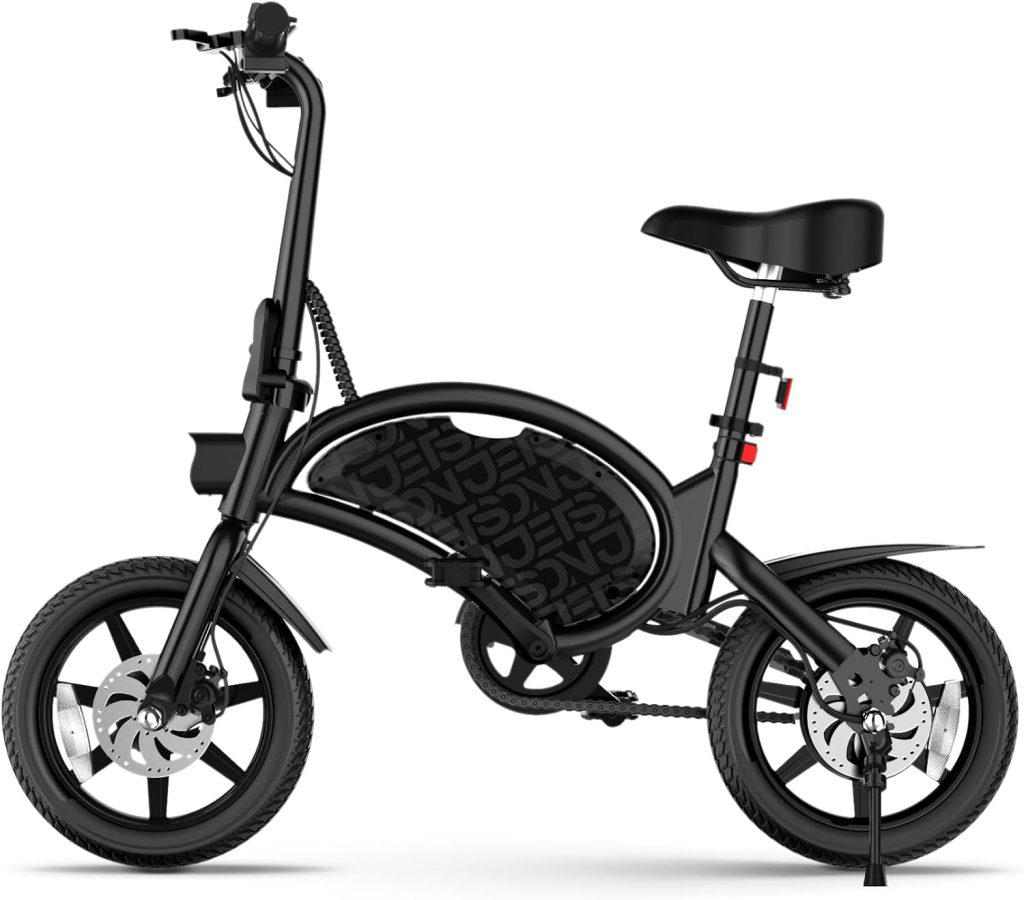
Small wheels and compact design limit hill-climbing ability.
The Jetson Bolt Pro is a compact folding e-bike with a 350-watt motor, small wheels, integrated battery, throttle, and pedal assist. It’s designed for short-distance urban commuting and portability rather than steep hills or long-range touring. The small wheels improve portability but affect stability at higher speeds.
Real-world range varies with rider weight, terrain, temperature, and speed; cold weather reduces battery capacity noticeably. The integrated battery design makes replacement more complex than removable-battery systems. Compact folding e-bikes prioritize portability over performance, so riders should match expectations to the bike’s intended urban, short-trip purpose.
9. Nakto 26-inch Cruiser and Mountain E-bikes
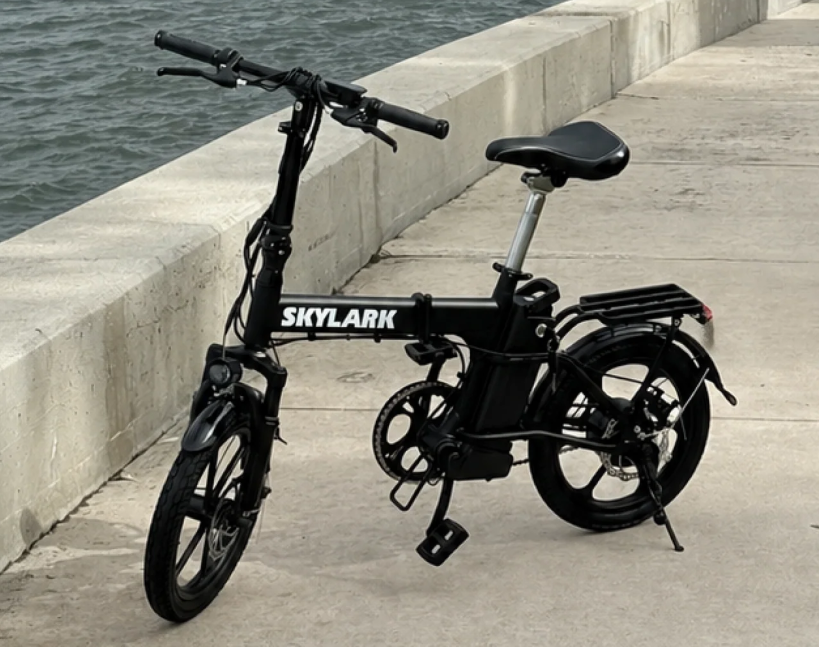
Motor power and range claims require careful verification by model.
Nakto sells several low-cost electric bicycles, including cruiser and mountain-bike-style models with 26-inch wheels, rear hub motors, and mechanical brakes. Specifications vary substantially by model and production year, so motor-power and range claims should be checked against the exact model listing before purchase.
Motor ratings may refer to nominal, peak, or marketing power rather than sustained output. Speed and range depend on battery voltage, controller settings, rider weight, terrain, and assistance level. Parts availability varies by model; potential buyers should verify replacement-part sources before purchasing, particularly for batteries, controllers, and motor components.
8. Ecotric Fat-Tire Models
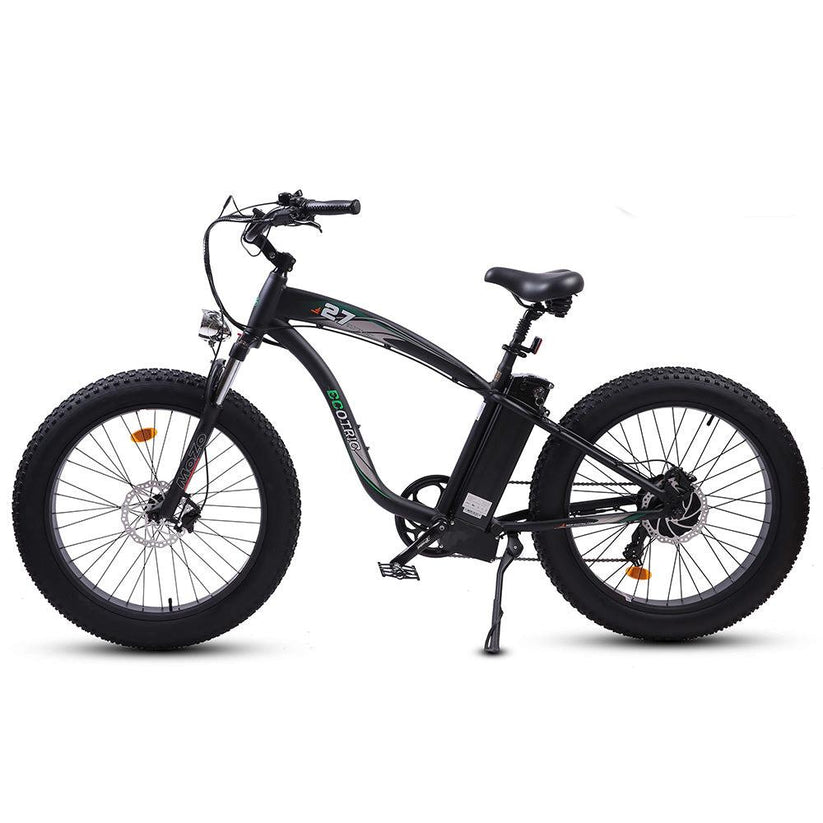
Wide tires add comfort but increase weight and maintenance needs.
Ecotric’s fat-tire lineup includes electric bicycles with wide tires, rear hub motors, lithium-ion batteries, pedal assist, throttles, and mechanical disc brakes. Fat tires improve flotation and comfort on loose surfaces but add weight and rolling resistance compared to standard tires.
Hub motors require less maintenance than mid-drive systems but can be more complex to service when problems arise. Battery capacity declines gradually with use and age—typically 20–30% over several years depending on charging habits and storage conditions. Mechanical disc brakes need periodic adjustment and pad replacement; riders should inspect brake function regularly.
7. VIVI E-bikes (26-inch and 27.5-inch)

Official recall covers approximately 24,000 units due to battery overheating.
On July 17, 2025, the U.S. Consumer Product Safety Commission announced a recall involving about 24,000 VIVI e-bikes equipped with certain 36-volt lithium-ion batteries. The recall covered specified model and battery combinations, including models such as C26, MT20, Z3, M026SH, H6, H7, and MT26H. The batteries could overheat, creating fire and burn hazards; CPSC reported 14 overheating incidents, including three fires.
Consumers were instructed to stop using affected bikes immediately and contact VIVI for a free replacement battery and charger. This recall demonstrates why battery certification and proper thermal management matter. Anyone who owns a VIVI e-bike should check the CPSC recall notice to determine whether their specific model and battery combination is affected.
6. Jetson Bolt (folding)

Compact throttle-only design prioritizes portability over range.
The Jetson Bolt is a compact folding electric bicycle distinct from the Bolt Pro, designed for portability and short urban trips using small wheels, an integrated battery, a throttle, and a compact frame. Product specifications and equipment can vary by version, so buyers should identify the exact model before evaluating braking system, range, or battery serviceability.
Throttle-only operation (without pedaling) reduces range compared to pedal-assist modes. Integrated batteries simplify the bike’s design but make replacement more involved than removable-battery systems. Small-wheel folding e-bikes excel at storage and transit but sacrifice stability and range compared to full-size models.
5. Speedrid 26-inch Fat Tire

Budget fat-tire model with varying quality control reports.
Speedrid markets budget electric bicycles, including fat-tire models with rear hub motors, lithium-ion batteries, pedal assist, throttles, and mechanical disc brakes. Exact motor ratings, battery capacities, wheel sizes, and top speeds vary among listings using the Speedrid name.
Quality control and parts availability can vary significantly among budget e-bike brands. Buyers should verify warranty terms, replacement-part sources, and customer-support availability before purchasing. Mechanical disc brakes require periodic adjustment and pad replacement; riders should inspect brake function regularly, particularly during the first several rides.
4. Merax Finiss 26-inch Electric Mountain Bike
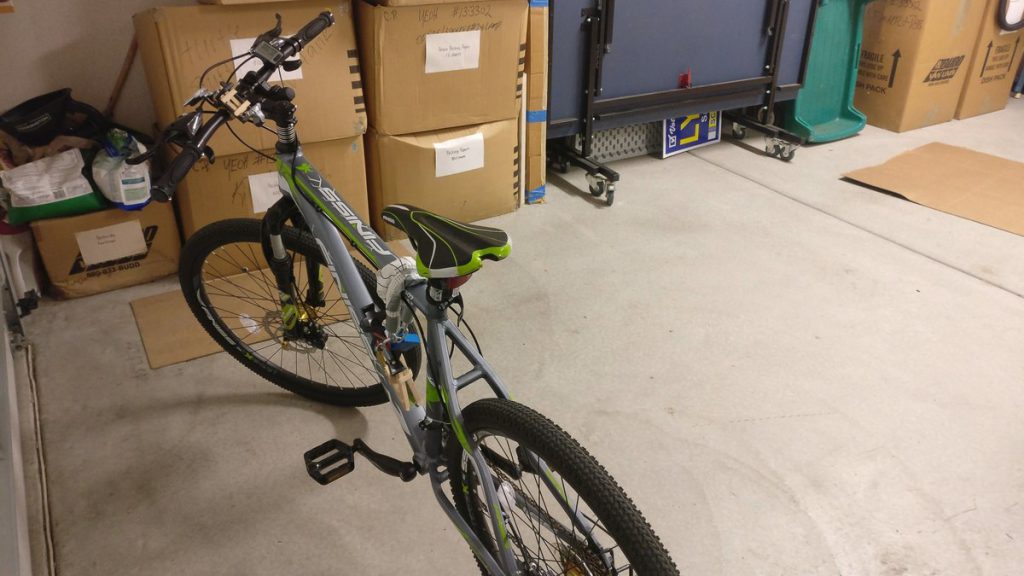
Budget electric mountain-bike-style model with basic components.
The Merax Finiss is a budget electric mountain-bike-style model associated with a 26-inch wheel format, rear hub motor, lithium-ion battery, pedal assist, throttle, front fork, and mechanical disc brakes. Equipment and specifications may differ by seller and production version.
Front forks on budget models typically provide limited travel compared to dedicated mountain-bike suspension. Frame stiffness and component quality vary across budget e-bike models. Mechanical disc brakes require periodic adjustment, particularly on heavier e-bikes; riders should inspect brake function regularly and verify proper cable tension and pad alignment.
3. Generic 750W Amazon E-bikes
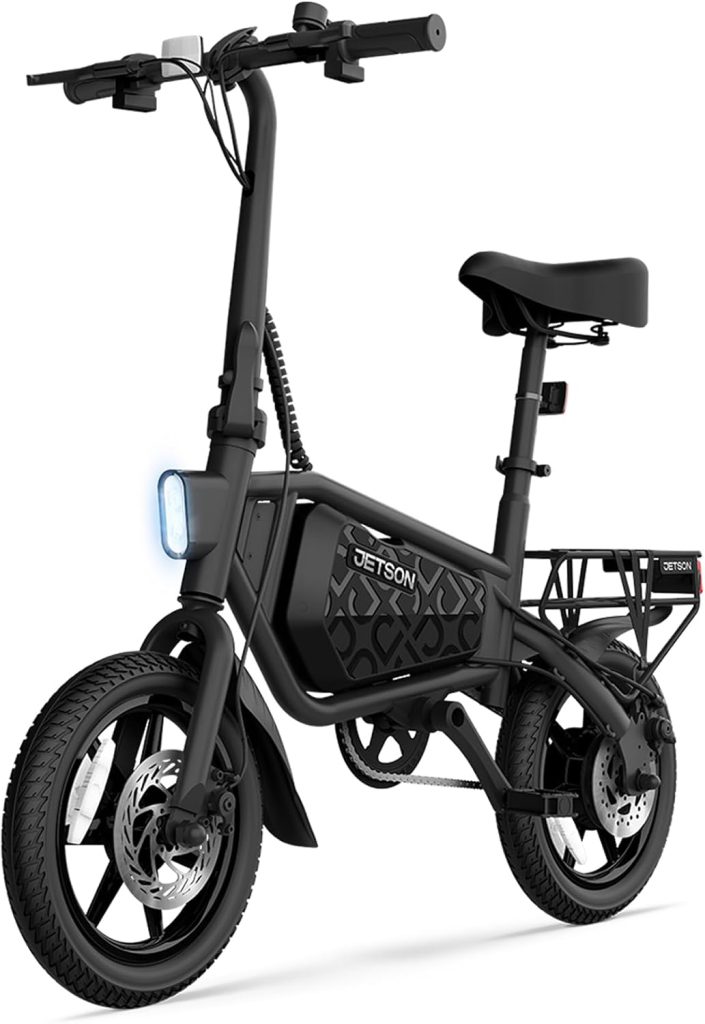
Category encompasses multiple sellers with varying safety standards.
This category covers numerous listings rather than a single manufacturer or model. Common features include fat tires, rear hub motors, throttles, pedal assist, lithium-ion batteries, mechanical disc brakes, and low-cost suspension-style forks. 750 watts may refer to nominal, peak, or marketing power and cannot be compared reliably without controller specifications and test methods.
Product safety varies by seller and battery supplier. Buyers should verify certification (UL 2849 for e-bike systems, UL 2271 for batteries), recall status, charger compatibility, and replacement-parts support. Assembly quality varies significantly; thorough inspection of all bolts, electrical connections, and brake function is essential before first use.
2. Ridstar Q20

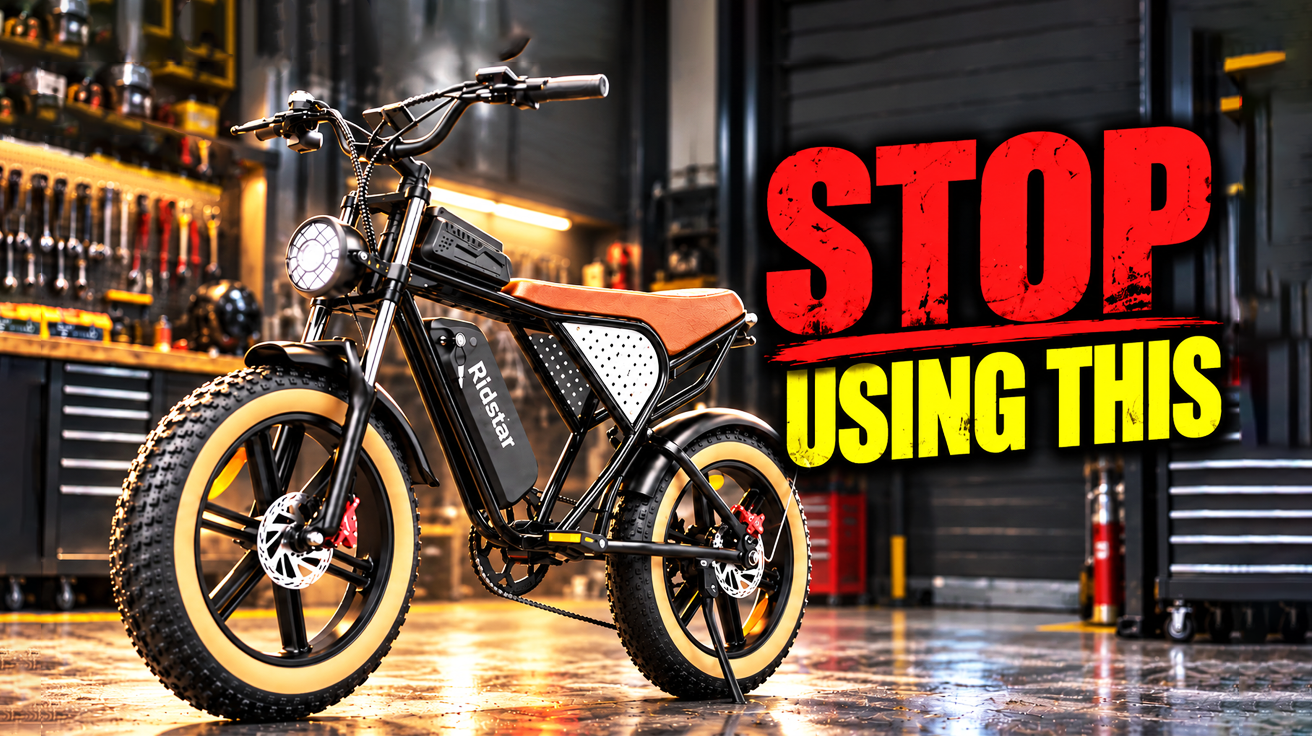
CPSC issued stop-use warning March 2026 citing fire hazard.
The U.S. Consumer Product Safety Commission issued a stop-use warning on March 19, 2026, for Ridstar Q20 and Q20 Pro e-bikes. CPSC reported 11 fires, one burn injury, five smoke-inhalation reports, and two property-damage incidents totaling more than $40,000. The warning instructed consumers to immediately stop using the bikes and contact Ridstar.
Battery fires can occur during charging, use, or storage. Anyone who owns a Ridstar Q20 or Q20 Pro should follow CPSC instructions and contact the manufacturer immediately. This warning demonstrates why battery certification and proper thermal management are critical safety features, not optional add-ons.
1. Unit Pack Power (UPP) Batteries
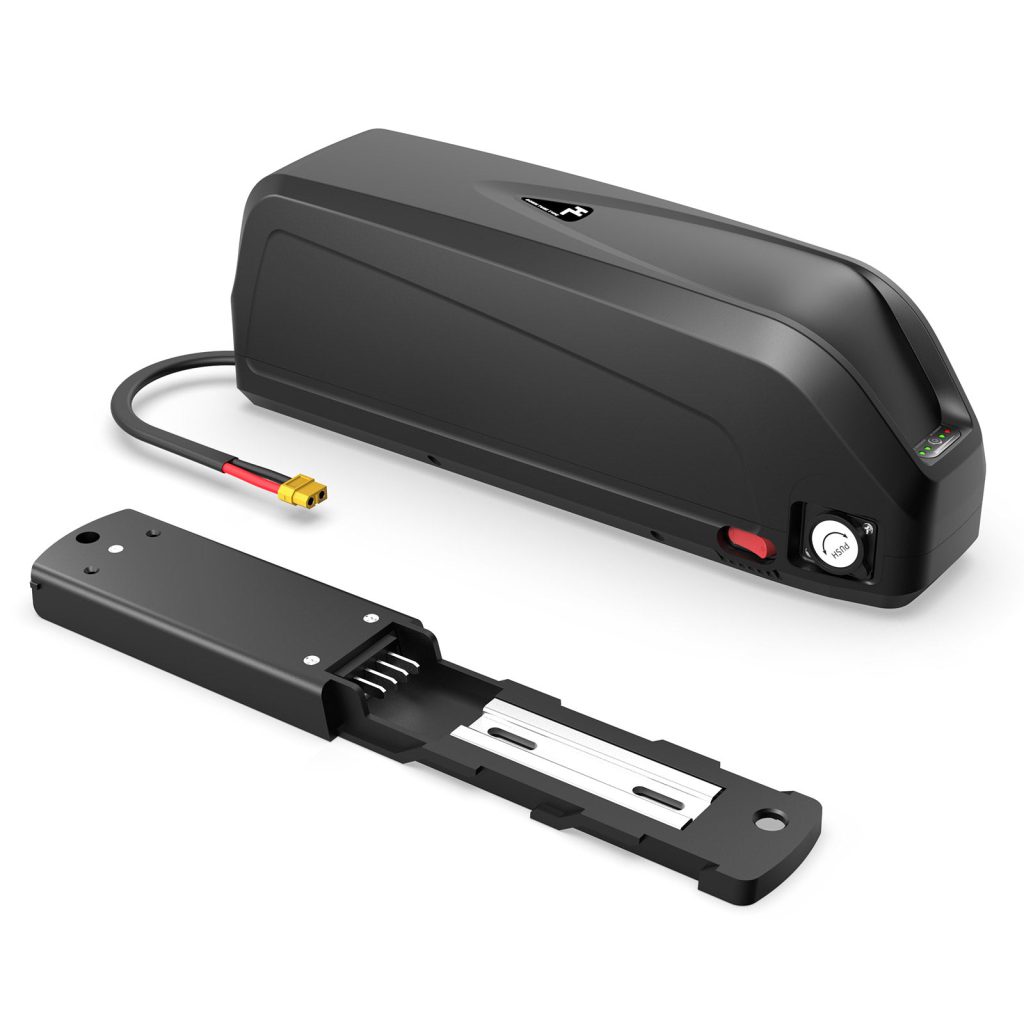
Aftermarket battery packs require certification verification.
Unit Pack Power (UPP) manufactures aftermarket lithium-ion battery packs used with bicycles and other light electric vehicles. UL 2271 is the relevant standard for batteries used in light electric-vehicle applications, while UL 2849 addresses the electrical system of an e-bike as a whole.
Battery compatibility, charger matching, enclosure condition, and certification status are important safety considerations. UL Solutions advises purchasing micromobility devices and batteries evaluated to the applicable safety standards and approved for use by the manufacturer. Aftermarket batteries should match the original specifications, including voltage, capacity, charging parameters, and connector type.