Photography advice floods your feed like targeted ads—abundant, relentless, and mostly wrong. Bad tips pile up faster than unedited RAW files, clogging your brain with nonsense and your cart with gear you’ll never use. Understanding what’s actually true saves cash and sharpens your eye. Debunking these myths transforms wasted effort into sessions that genuinely improve your work.
15. The Best Camera Is the One That Inspires You
Your smartphone sits in your pocket, but does it make you want to shoot?
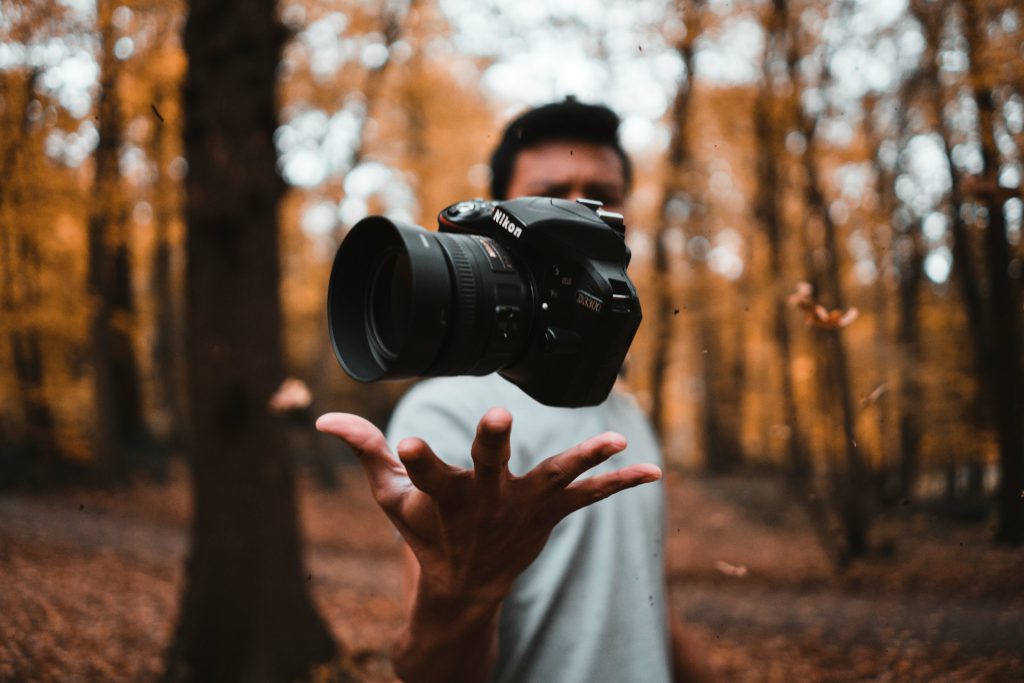
The mantra “the best camera is the one with you” sounds wise until you realize convenience and inspiration aren’t the same thing. Your phone offers zero friction, but a camera you genuinely enjoy using often creates more actual photography. Consider the Epson R-D1, a digital rangefinder from 2004 sporting a modest 6.1-megapixel sensor. Despite being technically ancient, this camera pulls photographers off the couch and into the field because using it feels rewarding. Consistent practice builds skill, per the American Photography Association’s teaching principles. Whether you grab a $150 point-and-shoot or invest in premium glass, what matters is how often that gear makes you want to head outside and shoot, refining your eye with every frame.
14. Expensive Cameras Don’t Guarantee Better Photos
Price tags measure cost, not talent.
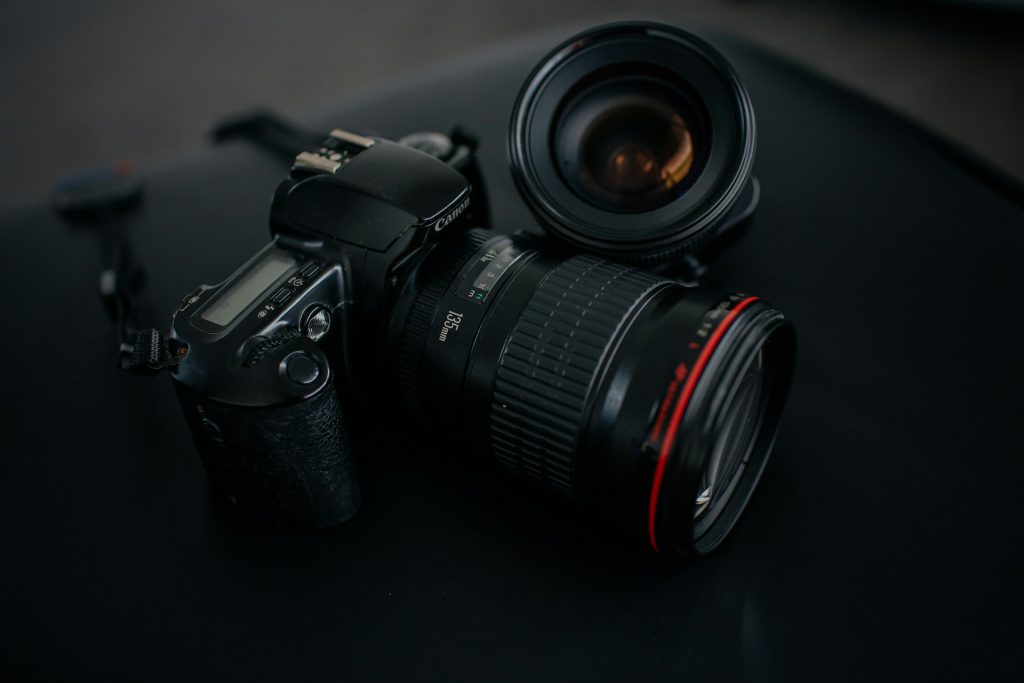
Cameras from Hasselblad and Leica offer superior build quality, advanced features, and high-resolution sensors. These tools don’t magically teach composition or timing. Owning a Formula 1 car doesn’t transform you into Lewis Hamilton; your progress comes from deliberate practice and ruthless self-critique, not gear upgrades. Skills like framing, exposure judgment, subject selection, and lighting awareness develop through shooting and honest assessment of what failed.
13. More Megapixels Don’t Automatically Mean Better Photos
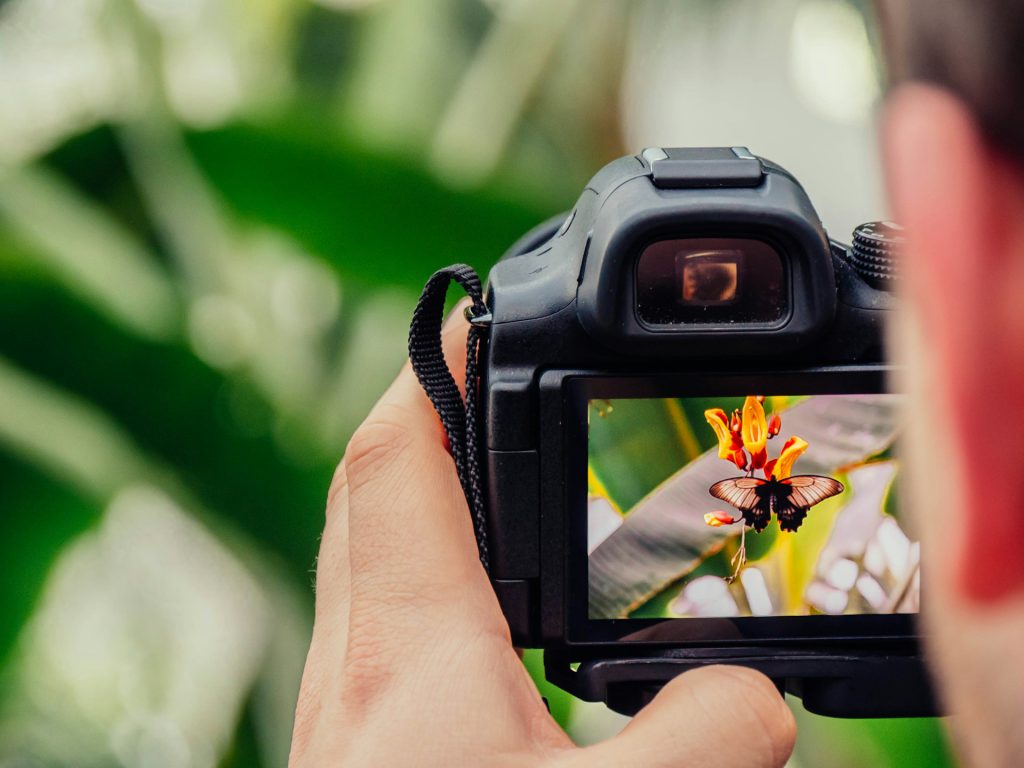
Resolution flexibility comes with hidden costs.
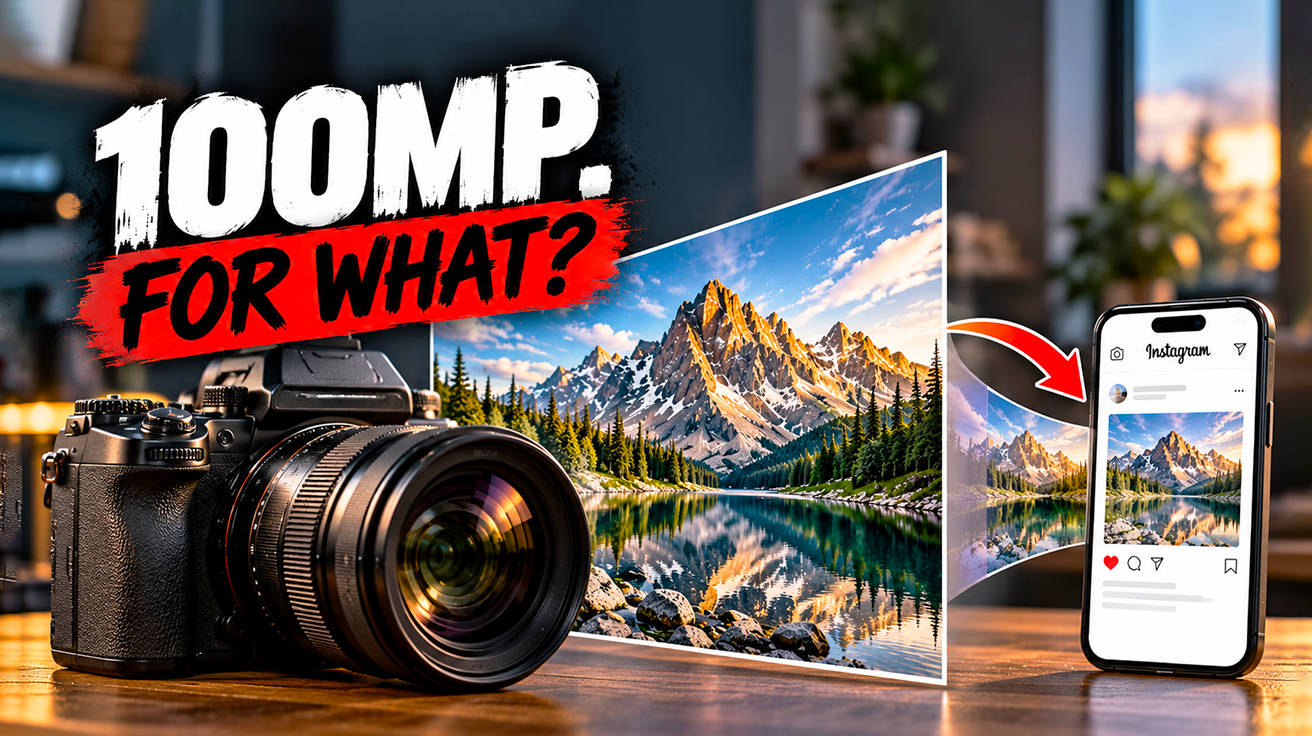
A 100-megapixel sensor offers cropping freedom and supports massive prints, but generates files that devour storage, demand faster cards, and require serious processing power. The benefits depend entirely on output size, cropping needs, and workflow. Photographers sharing primarily to social platforms gain little from extreme resolution; Instagram compresses uploads to roughly 1080 pixels wide, rendering ultra-high megapixel counts largely irrelevant for digital sharing.
12. Full-Frame Cameras Aren’t Always Superior to Smaller Sensors
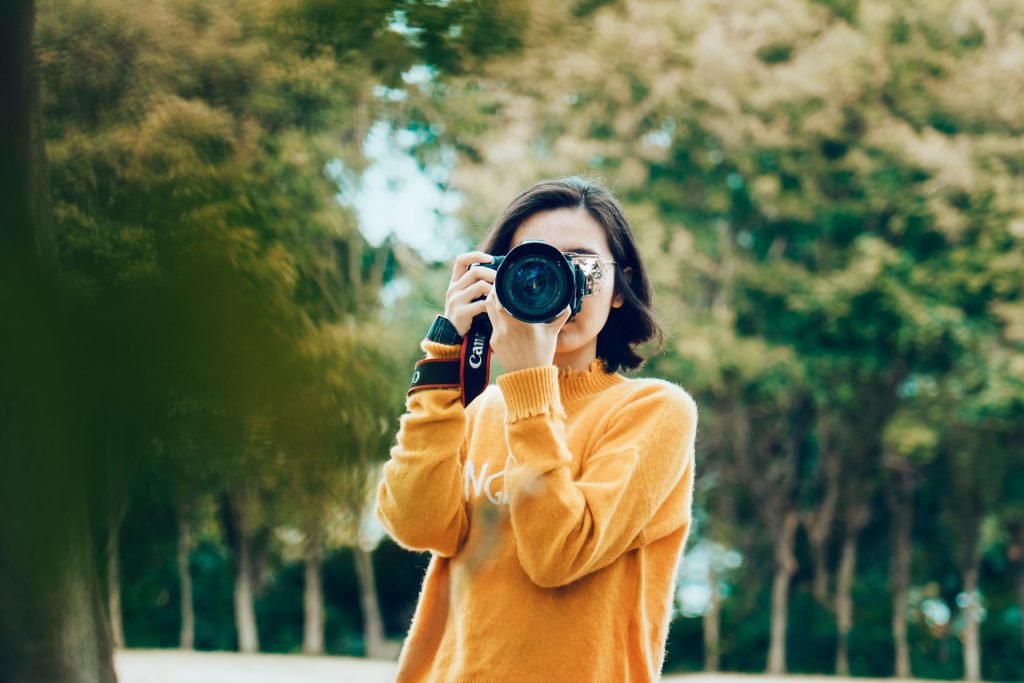
Sensor size matters less than what you do with it.
Full-frame sensors generally deliver better low-light performance, wider dynamic range, and simpler depth-of-field control when comparing similarly capable systems. Final image quality depends far more on light, lens choice, composition, timing, and post-processing than sensor dimensions alone. Viral images that stop mid-scroll often come from phones, Micro Four Thirds, and APS-C cameras in the right hands. Skill crafts memorable visuals; silicon just captures them.
11. K&F Concept M3 Electric Dust Blower
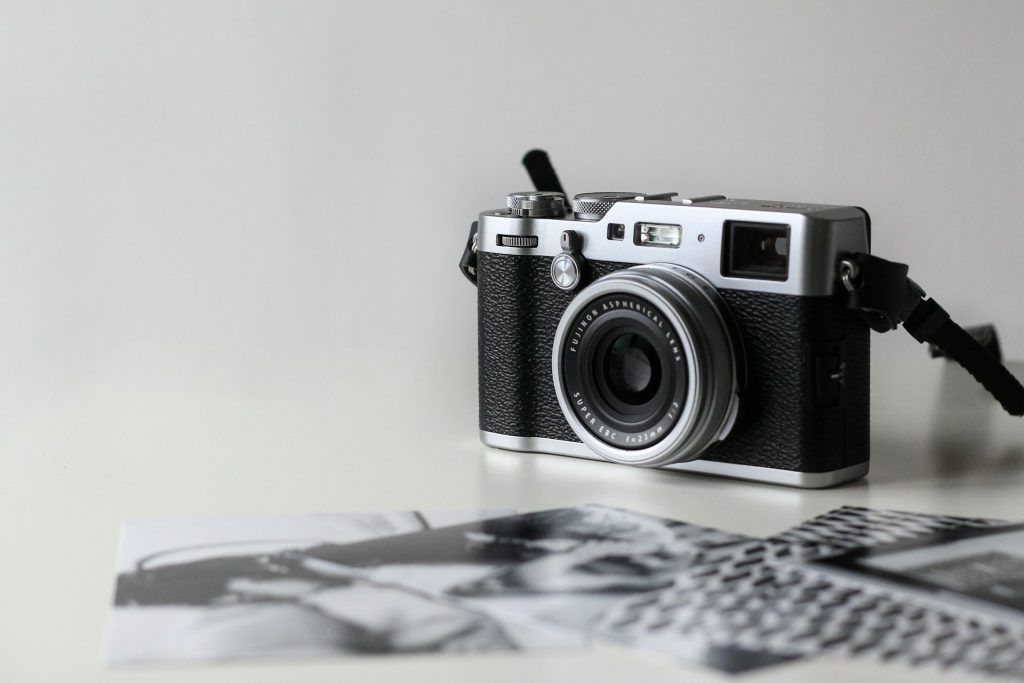
High-speed cleaning for delicate gear.
This electric blower combines dust removal with vacuum function, handling sensitive camera equipment and tight spaces. The specifications advertised include three speed settings, integrated LED light, and extended runtime on lower settings. Anyone maintaining camera gear knows dust is inevitable; verify current product details and follow manufacturer guidance before directing compressed air toward sensors or delicate components.
10. Shooting RAW Isn’t a Mandatory Starting Point
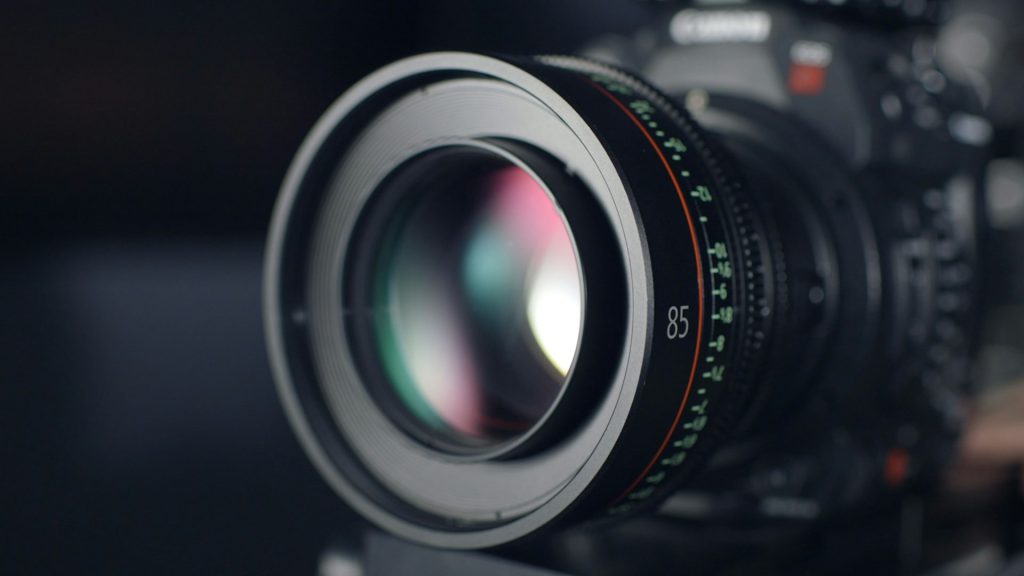
Raw files offer power, but JPEGs offer simplicity.
RAW files retain significantly more sensor data than JPEGs, providing unmatched flexibility for adjusting exposure, white balance, and shadow recovery. They also demand considerable storage and require specialized editing software. New photographers don’t need to master every technical slider immediately. Shooting RAW+JPEG gives you an instantly shareable file while preserving the unprocessed original for later practice. Alternatively, applying presets to RAW files offers guided editing without forcing mastery of complex controls.
9. Taking More Photos Doesn’t Guarantee Improvement
Volume without intention breeds digital hoarding.
Blasting 2,000 frames in one session feels productive but rarely teaches anything. Real progress demands deliberate practice—focus on one skill per session, like composition or lighting. Experiment with focal length limits. Shoot the same subject multiple ways. Then review what failed and understand why. Critical evaluation transforms mistakes into lessons; mindless volume just fills hard drives. Photographic growth requires analyzing failures, not hoping for lucky shots.
8. Larger Memory Cards Aren’t Always the Best Choice
Unlimited capacity enables unlimited clutter.
A 256GB card holds thousands of images, transforming selective shooting into overwhelming accumulation. While high-bitrate video, sports, and wedding coverage demand expansive storage, daily photography benefits from smaller cards that impose healthy constraints. Limited capacity encourages intentional shooting and forces regular review and organization. Match card size to file format, shooting pace, session length, and backup workflow; never rely on a single card as your only copy.
7. Epson R-D1
A 6.1-megapixel camera that still inspires photographers.
Epson launched the R-D1 in 2004—a digital rangefinder built around an APS-C CCD sensor measuring 23.7 × 15.6 mm with 6.1 effective megapixels, producing 3008 × 2000-pixel images. It accepted Leica M-mount lenses and featured a 1.0× optical rangefinder viewfinder. Technical specs feel ancient now, but the R-D1 earned its reputation by encouraging active engagement with the photographic process. Using it demands time and rewards effort, proving that shooting pleasure can outweigh raw technical performance.
6. Instagram Photo Display Resolution
Social platforms compress your megapixels into irrelevance.
Instagram significantly compresses and resizes uploaded images. Current platform specifications vary by format and receive periodic updates, but display dimensions remain far below full camera resolution. Your 50-megapixel sensor offers minimal practical advantage for social media; crucial details meant for large prints or aggressive crops disappear during compression. Optimize exports for current platform specs rather than assuming original high resolution survives the upload process.
5. Hasselblad Cameras
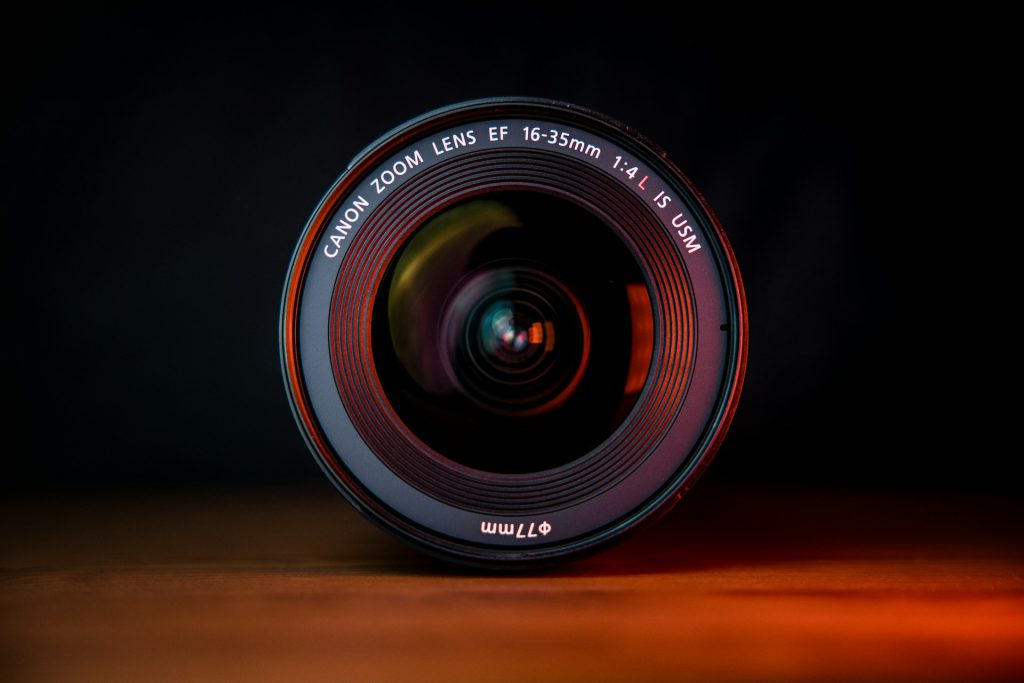
Professional medium-format systems demanding professional skill.
Hasselblad produces medium-format cameras with large sensors and exceptional build quality, typically used in demanding studio work, advertising campaigns, and high-resolution printing. Maximizing the potential of these systems requires expertise, compatible lenses, and refined workflow; otherwise, premium gear becomes an expensive paperweight. Evaluate based on actual shooting needs, not brand prestige or the assumption that price guarantees results.
4. Leica Cameras
Iconic rangefinders that won’t teach you composition.
Leica rangefinder and mirrorless cameras, paired with premium lenses, are renowned for meticulous build and historical heritage. Many photographers choose them for tactile user experience. Buying any premium system—including models with bodies exceeding $8,000—won’t fix poor lighting or flawed composition. Anyone who’s struggled with bad exposure knows gear alone can’t save poorly conceived shots. Evaluate Leica based on shooting style, lens system preferences, control interface, and budget, not brand mystique.
3. Micro Four Thirds Camera System
Smaller sensors, lighter systems, specific trade-offs.
The Micro Four Thirds system uses sensors smaller than APS-C and full-frame formats, with a shared lens mount across multiple manufacturers. This produces lighter bodies and lenses ideal for travel, nature, and video work. The crop factor runs approximately 2× compared to 35mm full-frame, affecting field of view. While the system excels in portability and versatility, larger sensors may offer advantages in extreme low-light performance or shallow depth-of-field control.
2. APS-C Camera System
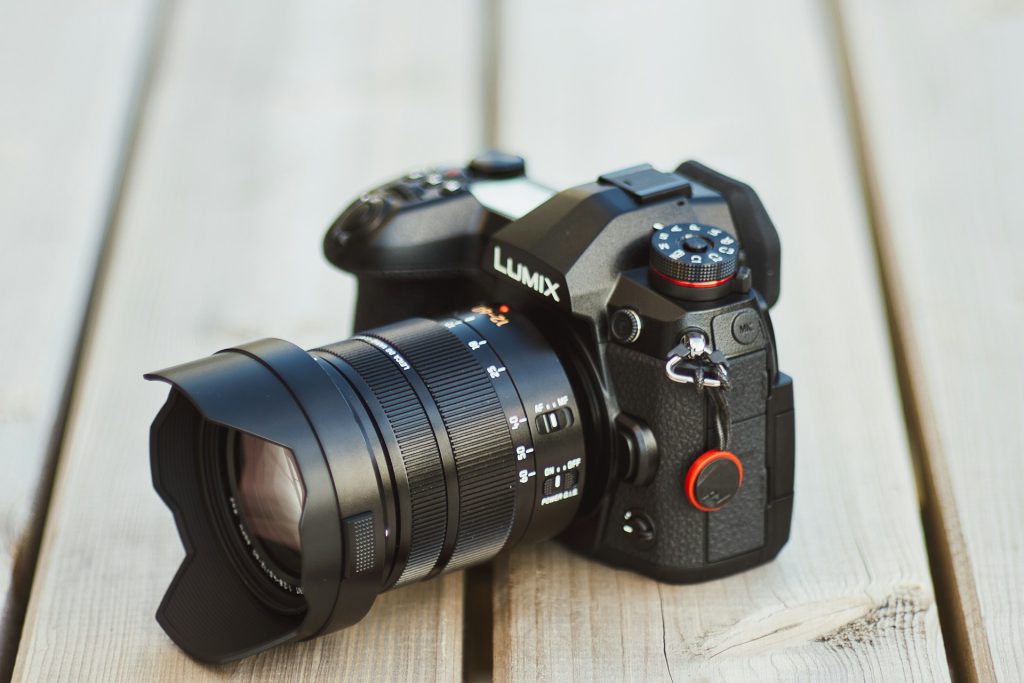
Practical balance between performance and size.
APS-C sensors sit between Micro Four Thirds and full-frame formats, offering solid image quality, manageable dimensions, and reasonable cost. The crop factor typically runs around 1.5× for most systems and 1.6× for some Canon models, directly affecting lens field of view. This format delivers versatile performance across photographic genres without full-frame’s premium pricing or bulk.
1. High-Resolution Photo File Storage and Backup
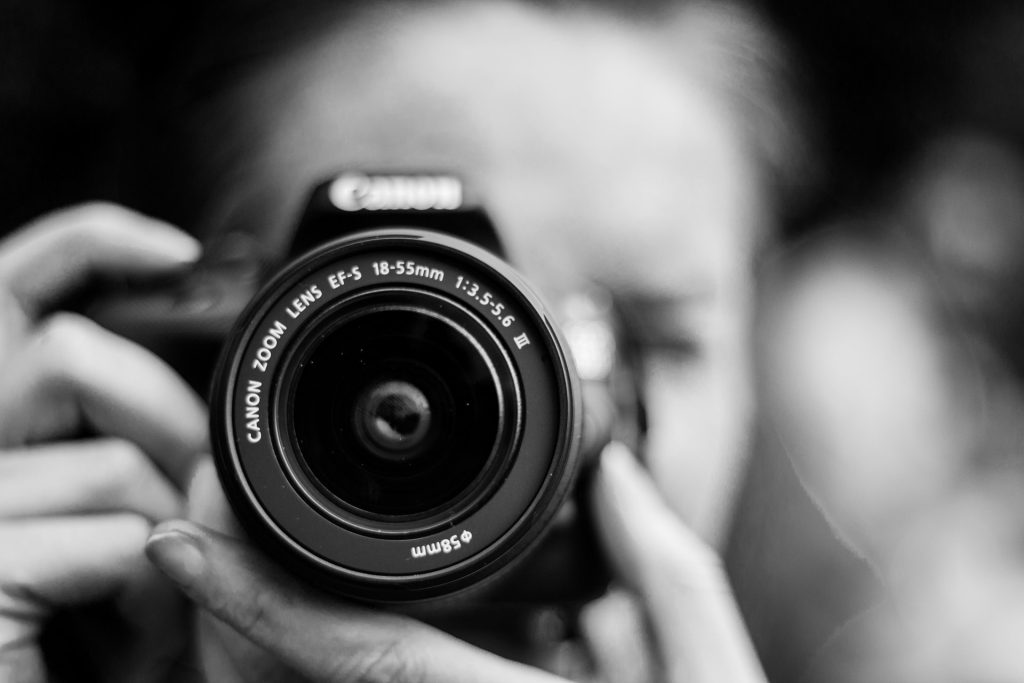
Bigger files demand bigger infrastructure.
Higher megapixel counts and RAW format adoption produce larger files, escalating demands on memory cards, external drives, cloud backup, and processing time. Anyone who’s watched a hard drive fail knows the panic that follows. Memory cards aren’t permanent archives and remain susceptible to loss or corruption. Maintain multiple redundant backups of important images—store valuable photos in at least three different locations to guard against digital disaster.