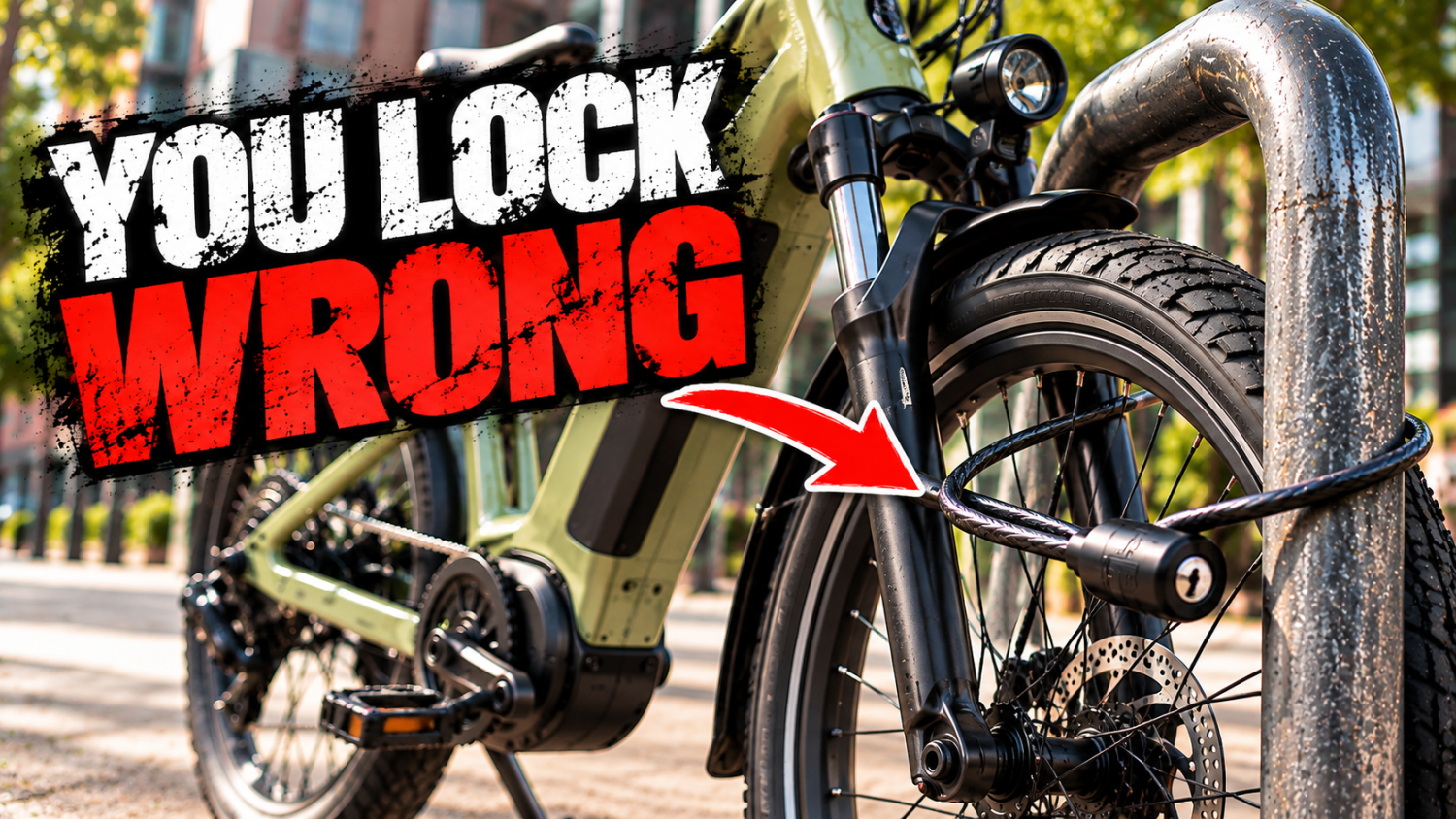
E-bikes, often costing between $1,000 and $5,000, are prime targets for a thriving underground economy. Professional thieves operate with calculated efficiency, often defeating standard locks in mere seconds. Anyone who’s had a delivery snatched off their porch knows the sting of easy theft. These strategies arm riders with actionable solutions, preventing an expensive, heartbreaking lesson.
This content may contain affiliate links. If you wish to support us and use these links to buy something, we may earn a commission.
8. Cable Locks: The Fatal Flaw
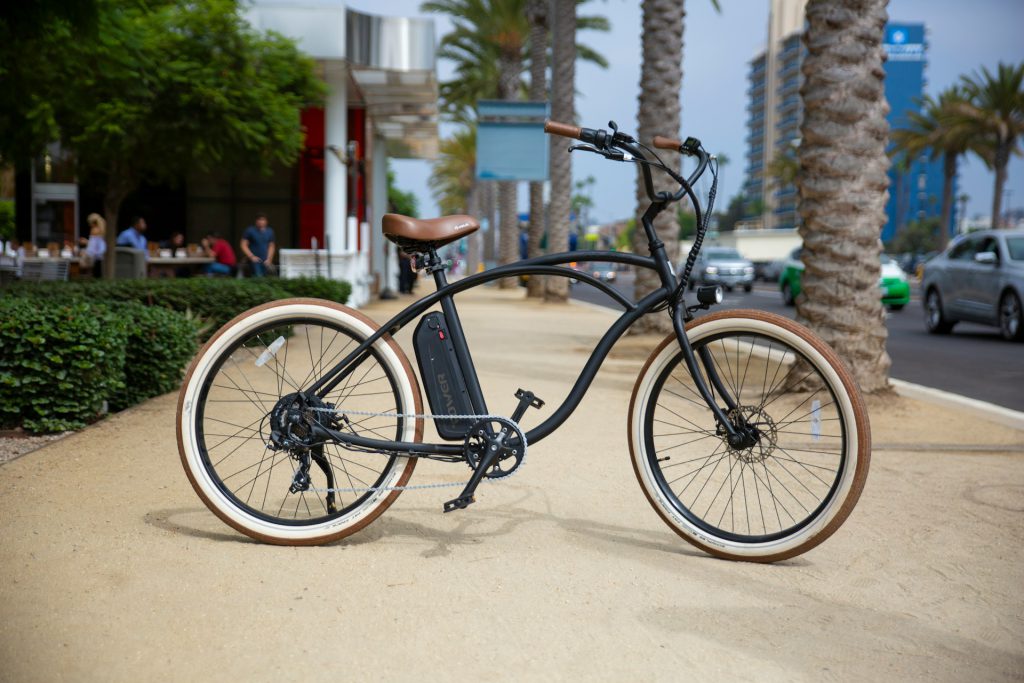
Why even thick cables offer little more than visual deterrence.
Most cable locks can be defeated in seconds with decent bolt cutters. These widely available, flexible, and lightweight options offer little more than a visual suggestion of security, proving as effective as a velvet rope at a mosh pit. Even thick, armored cable locks are considered a secondary option, a mere speed bump for anyone with serious intentions.
TikTok videos show someone snipping one in milliseconds, and that new e-bike owner’s face just drops, realizing the false sense of security. Cable locks as the only defense leave e-bikes at severe risk.
7. The Two-Lock System
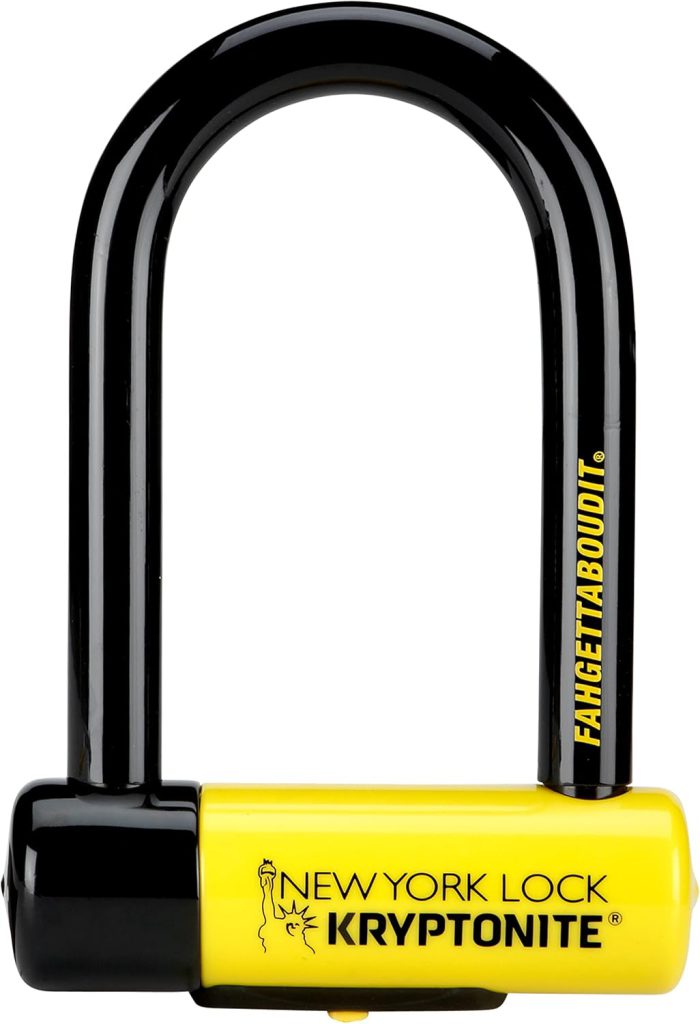
Forcing thieves to choose between multiple specialized tools dramatically shifts the risk calculation.
E-bike theft often hinges on a simple calculation for thieves: time versus reward. This equation changes dramatically with a two-lock system, forcing a would-be thief to consider a multi-stage operation. Riders combine a high-quality U-lock to secure the frame and rear wheel to a fixed anchor with a secondary heavy-duty chain or folding lock for the front wheel.
This setup demands different specialized tools and attack methods for each lock, essentially creating a scenario where all paths lead to more effort. While two quality locks might cost between $150 and $250, this investment is a minor fraction of an e-bike’s $1,000 to $5,000 value.
The added effort quickly renders e-bikes less appealing targets. Thieves, eyeing a ride, realize they need twice the gear and double the time. They will almost certainly move on to an easier mark, preferring the low-hanging fruit of a single-locked bike. This layered defense dramatically improves security profiles.
6. Choosing Secure Anchor Points
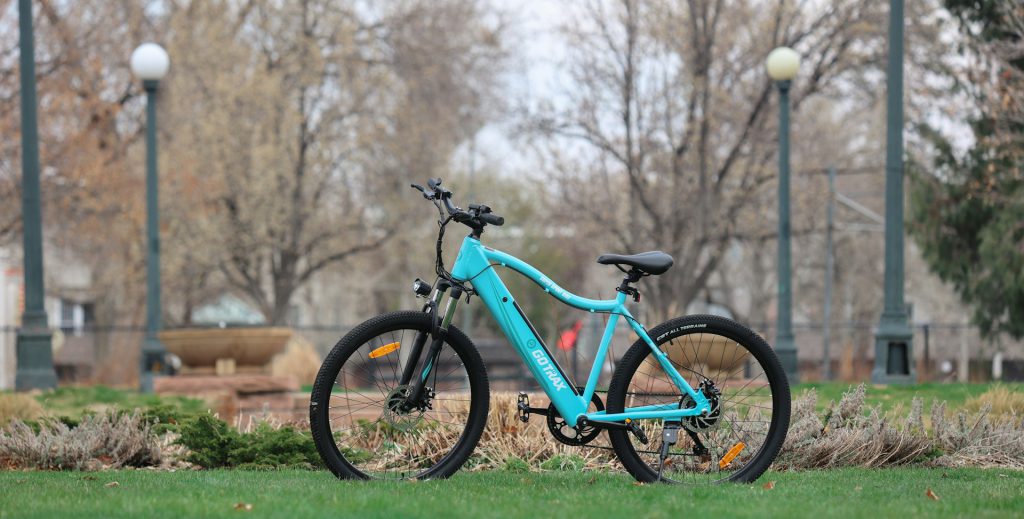
A $200 lock becomes worthless when attached to something a thief can dismantle in seconds.
A $200 U-lock is useless if an e-bike is fastened to a flimsy anchor, proving security is only as strong as its weakest link. Thieves often ignore the lock, opting to dismantle the anchor instead. Wooden fence posts, thin metal sign poles, or parking meters with removable tops are easy targets. Temporary construction fencing offers zero real resistance.
True security demands immovable, thick metal. Gold standards include a bike rack bolted into concrete, a substantial metal railing fused to a building, or a heavy steel parking barrier sunk into the ground. When eyeing a new spot, assess it like a seasoned bouncer: is it fixed, solid, and too substantial to cut? Minimizing slack in a U-lock against that anchor drastically reduces leverage attack vulnerability.
5. E-bike Batteries (Removable)
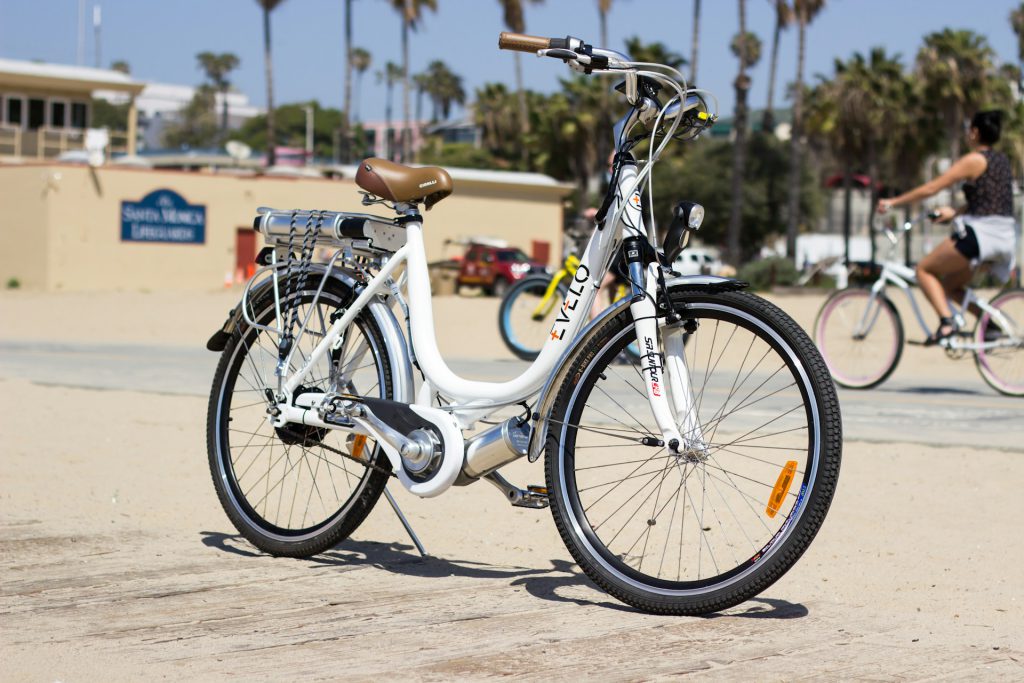
A $300–$800 component that vanishes in seconds if left unsecured.
A quality e-bike battery alone can set buyers back anywhere from $300 to $800 or even more. These vital power sources are compact and easily carried, vanishing in seconds if left unsecured. One minute there’s a bike, the next riders return to find the battery has been ghosted, leaving nothing but an expensive, dead weight.
While aftermarket lock covers offer additional resistance for integrated battery designs, the simplest move for removable packs is taking it along. This should be as automatic as grabbing a phone or wallet when leaving the house; batteries deserve no different treatment.
4. E-bike Chargers
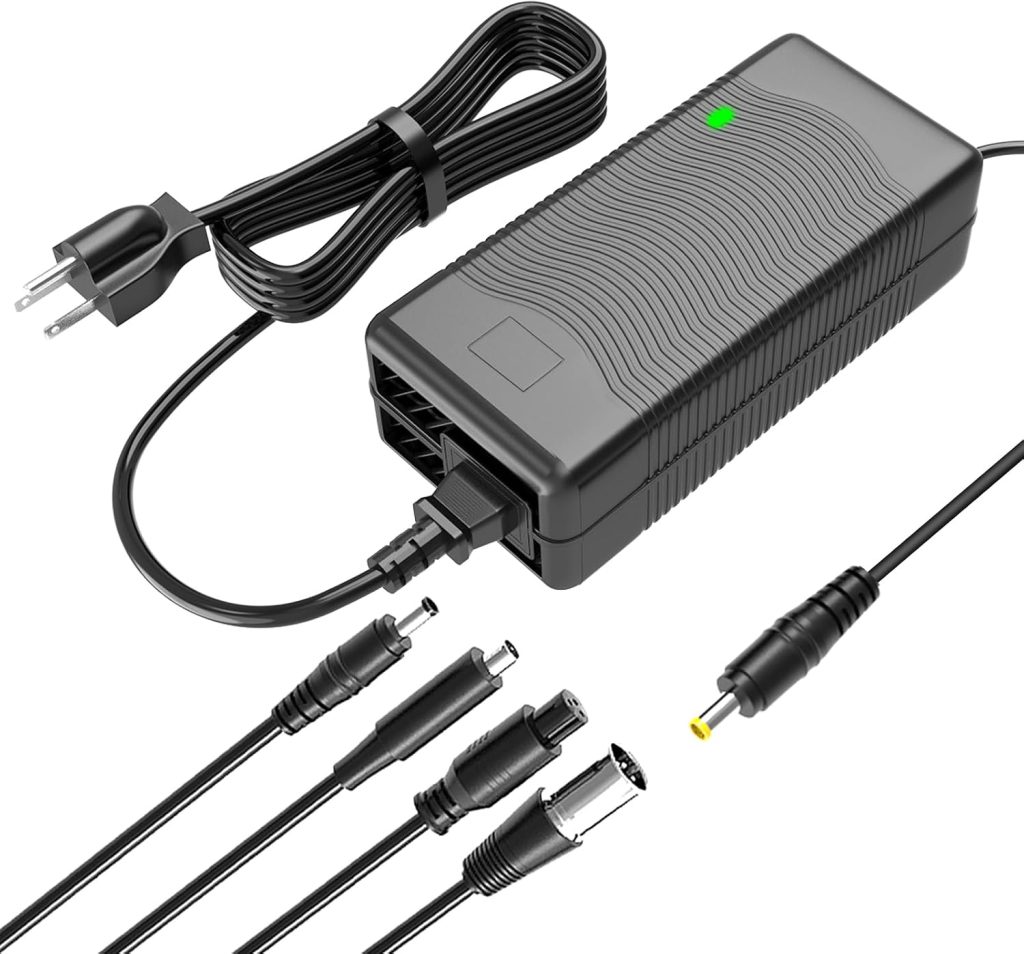
The $60–$150 accessory thieves grab while riders focus on locking the frame.
A missing phone charger feels like a minor inconvenience until realizing the actual cost of replacing it. E-bike chargers are prime targets for opportunistic thieves, often retailing for $60 to $150 and designed for easy transport. These lightweight devices are simple to carry off and even simpler to flip on a secondary market, making them the low-hanging fruit of the e-bike world.
Riders might spend five minutes meticulously locking an e-bike to a secure rack, only for someone to snag the charger bag left innocently beside it. Anyone who’s had a package vanish from a porch knows the drill; if it’s visible and easy to grab, it’s a target. Security strategy must extend to every accessory.
3. E-bike GPS Trackers
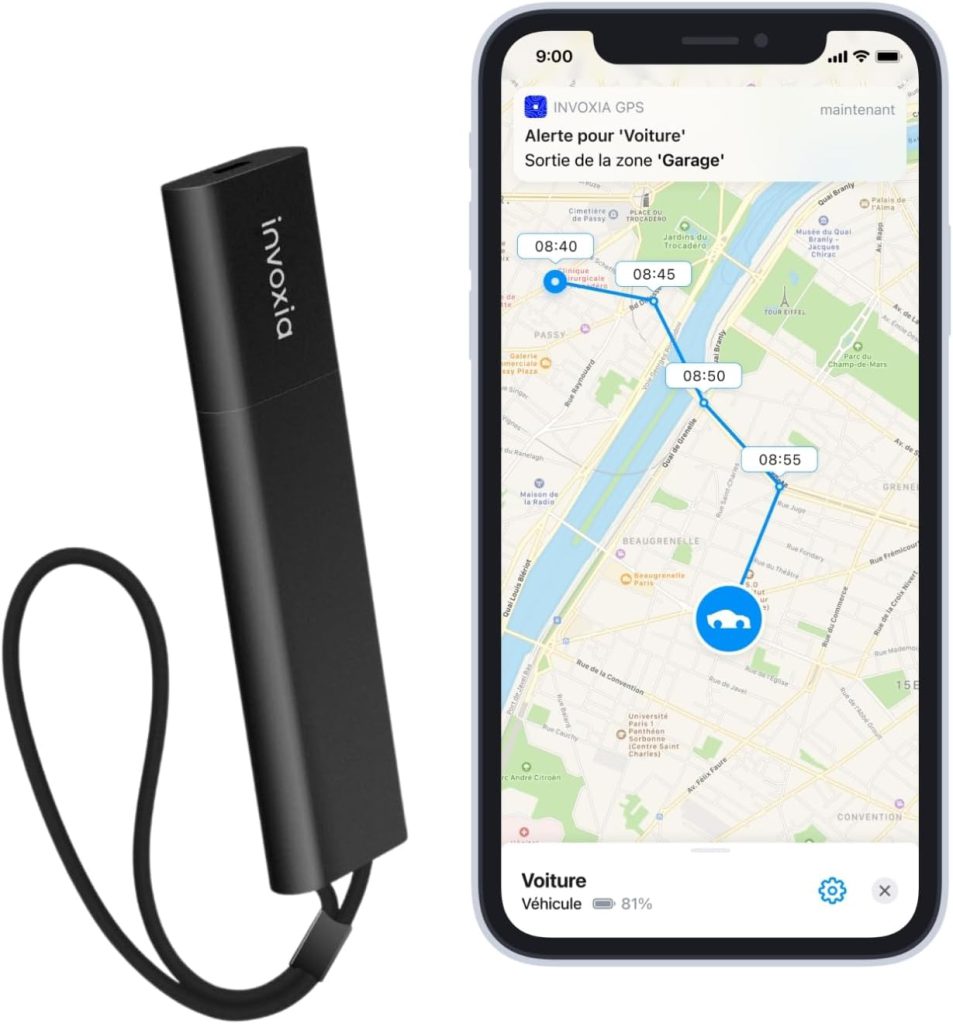
Real-time location data that transforms theft from a loss into a recovery mission.
A $4,000 e-bike vanished from a busy street, a scene all too common. For owners with a GPS tracker, that theft quickly pivots from a loss to a recovery mission. These compact devices, costing between $30 and $80 plus a monthly subscription, provide real-time location data via GPS and cellular networks. They send instant motion or tamper alerts to phones.
Receiving an alert allows providing law enforcement with precise coordinates, transforming a “lost cause” into a targeted search. Trackers integrate discreetly inside a steerer tube or seatpost, becoming a thief’s worst nightmare. While a tracker won’t physically stop a theft, it drastically improves recovery rates, changing a thief’s risk assessment.
2. Bike Registration Programs
Digital fingerprints that help police reunite recovered bikes with rightful owners.
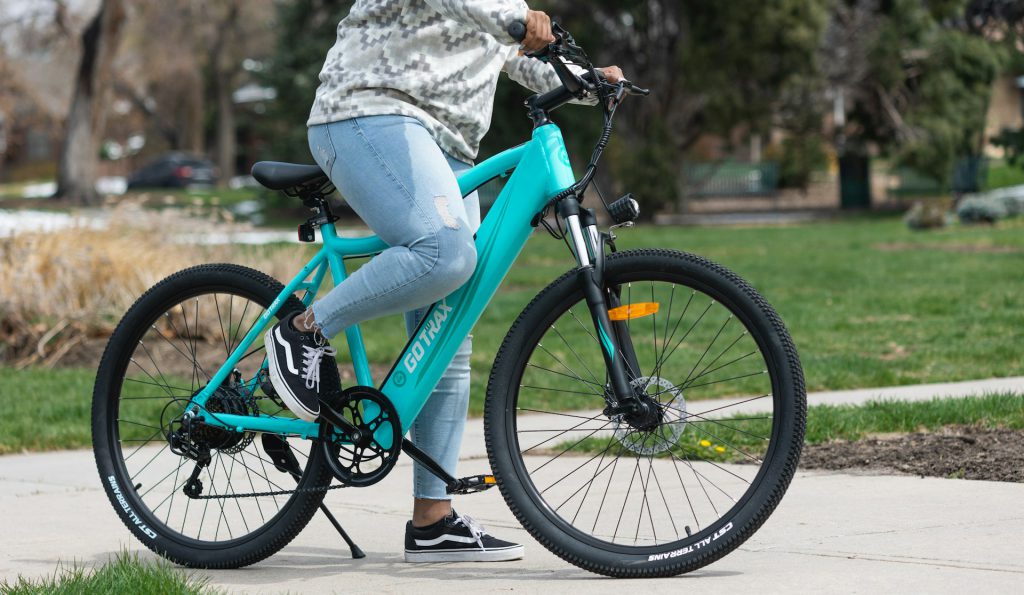
Bike registration programs provide a straightforward system where an e-bike’s serial number, make, model, and contact details are recorded. These databases, often run by cities, police departments, or third-party registries, act as a digital fingerprint. Many municipalities offer free or low-cost registration, and manufacturers frequently provide online product registration, making the process as simple as signing up for a new streaming service.
When a registered e-bike turns up after going missing, law enforcement can swiftly identify the owner. This documentation validates ownership, enabling quick reunification. An e-bike with a documented serial number boasts a meaningfully better recovery rate than an unregistered one, offering crucial support for both police efforts and potential insurance claims.
1. E-bike Insurance Coverage
Comprehensive protection that picks up where homeowners policies fall short.
Standard homeowners policies often cap payouts for bicycles at a few hundred dollars to around $1,500, often demanding proof of forcible entry. This becomes a harsh reality check if an e-bike, often costing $2,000 or more, disappears from a public rack. Many riders discover existing policies offer inadequate protection for such a significant investment.
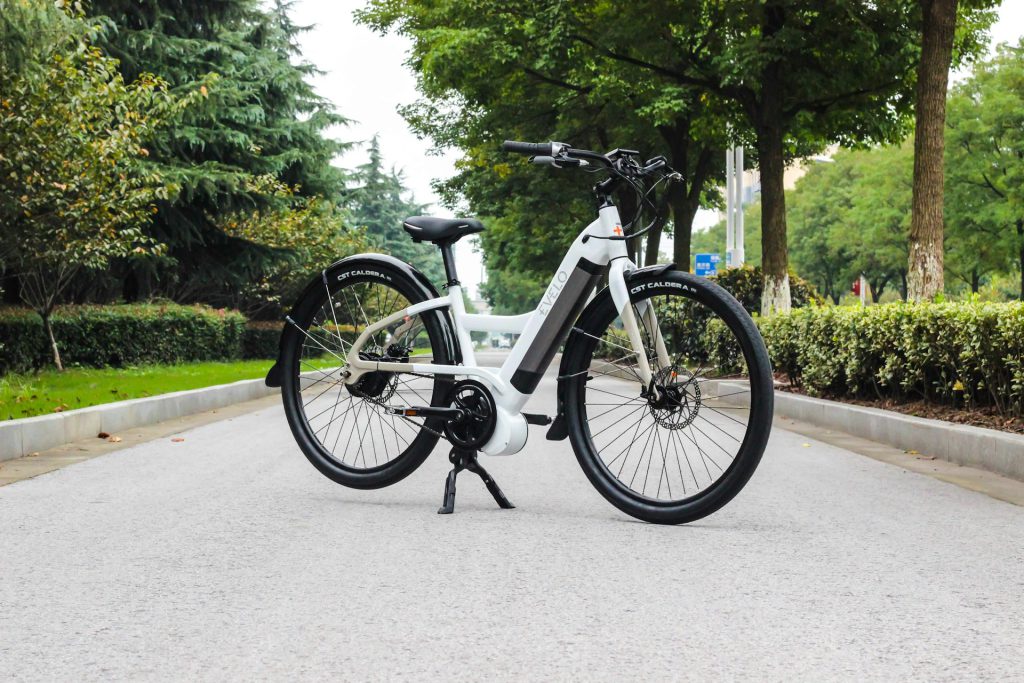
Dedicated e-bike insurance provides the robust protection valuable assets deserve. These specialized plans feature higher coverage limits and protect against theft, even away from home. They also often include damage or liability coverage. These policies frequently specify acceptable locking practices, such as using a rated U-lock to an immovable object, so riders must adhere to certain security standards to remain covered. Combining serious physical security, like a high-rated U-lock, with comprehensive e-bike insurance mitigates significant financial loss.