Luxury watches often carry price tags that seem divorced from their actual mechanics, and separating genuine horological value from marketing hype requires a close look at what’s inside. The market can feel overwhelming, where every brand promises exclusivity while actual component costs tell a different story. A deeper understanding of movements, materials, and real-world engineering reveals which timepieces deliver substance and which lean heavily on brand prestige. This selection identifies watches where the perceived value doesn’t quite align with the underlying hardware or heritage, cutting through the noise to show which luxury watches fall surprisingly short of their lofty claims.
This content may contain affiliate links. If you wish to support us and use these links to buy something, we may earn a commission.
6. Breitling Endurance Pro (44 mm)
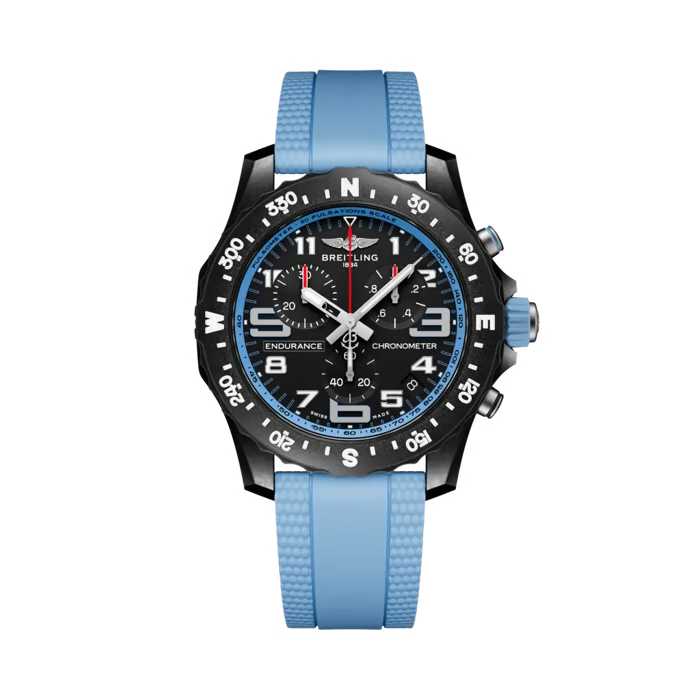
At $3,500, this polymer composite watch raises questions about material value versus brand cachet.
Breitling asks $3,500 for a polymer composite watch with a quartz movement. This 44 mm timepiece, 12.5 mm thick, uses Breitlight®, a proprietary material lighter than steel and highly scratch-resistant. For athletes expecting luxury, the contrast is stark. Its 10 bar (100 m / 330 ft) water resistance handles various sports adequately.
The Breitling Caliber 82 thermocompensated SuperQuartz™ movement boasts COSC-certified accuracy of approximately 10 seconds per year. This precision is notable, but the internal value remains debatable. An equivalent ETA 251.264 movement retails for just $180 in the aftermarket. For context, a durable stainless steel G-Shock with robust features costs around $600. The investment centers primarily on brand identity rather than material substance.
5. Bell & Ross BR 05 (steel bracelet)
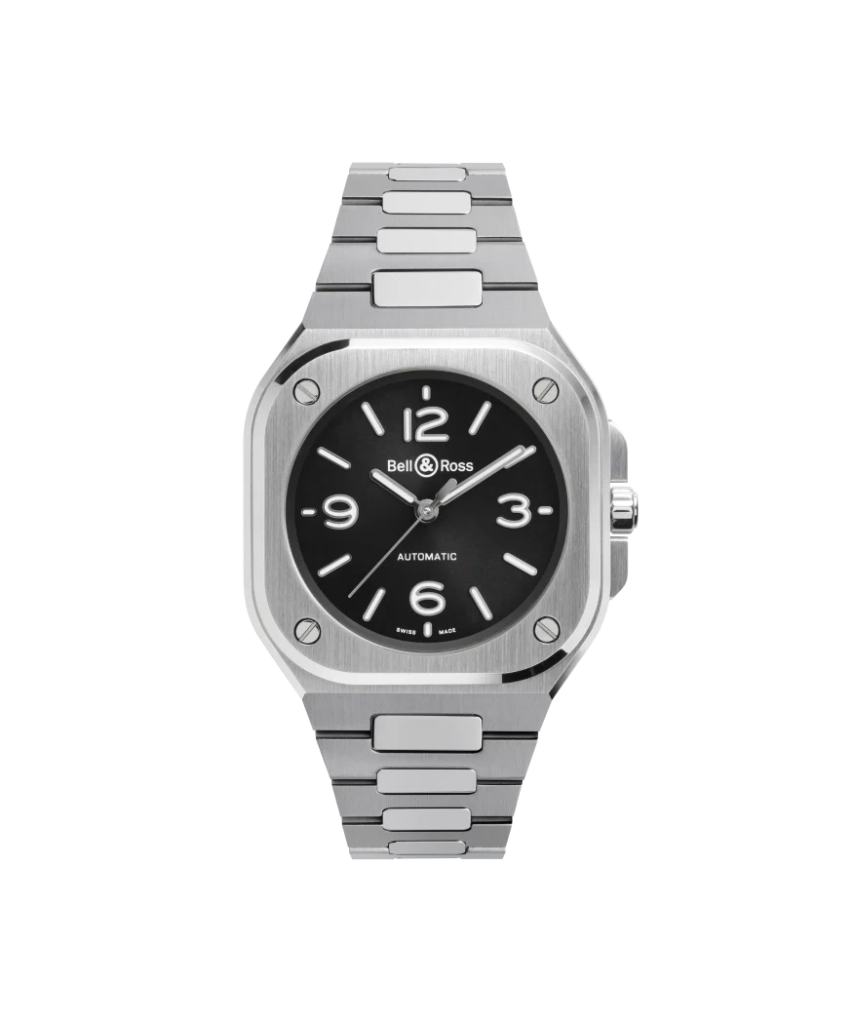
Urban luxury sports styling comes at €5,400, but the movement inside tells a more modest story.
The Bell & Ross BR 05 aims for urban luxury sports, commanding €5,400 on its steel bracelet. This price implies premium internal engineering for its 40 mm wide, 10.5–11 mm thick polished-satin stainless steel case, offering 100 m water resistance. Anyone seeking an integrated bracelet luxury watch expects bespoke mechanics to match the exterior refinement.
Underneath, the BR-CAL.321 automatic movement is based on the Sellita SW300-1 architecture. This movement runs at 28,800 vph (4 Hz) with a 42-hour power reserve. The same Sellita SW300-1 appears in watches like Christopher Ward for just over $1,000 or under €1,000, where aftermarket unit movements cost $200-250. The premium here leans heavily toward design execution and brand positioning rather than exclusive mechanical innovation.
4. Rado Captain Cook Automatic (42 mm)
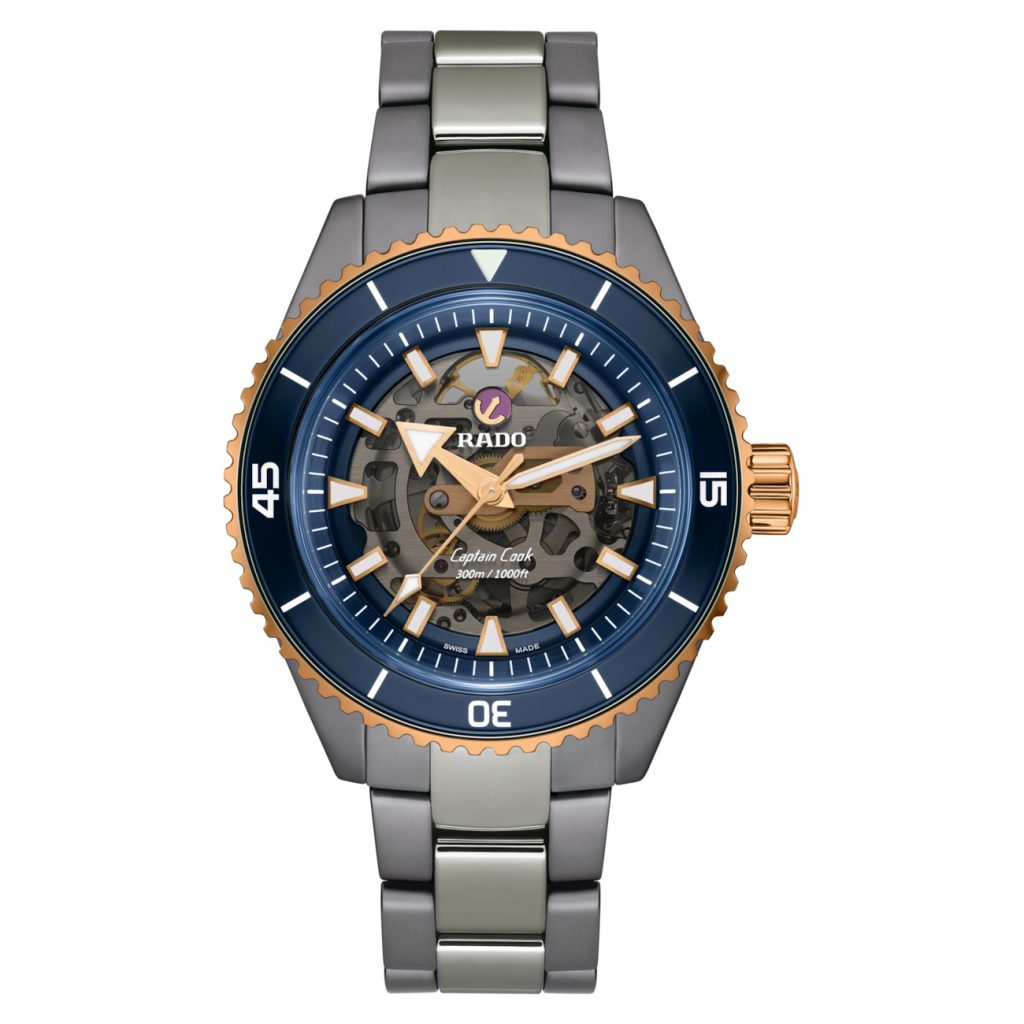
Retro dive styling meets an 80-hour power reserve, but the €2,500 price raises eyebrows given the movement’s broader availability.
The ETA C07.611 movement, common in many affordable dive watches, drives the Rado Captain Cook Automatic. Its external build projects a premium vibe with vintage appeal. The watch features a 42 mm stainless-steel case, a ceramic unidirectional bezel, and sapphire crystal. With water resistance ranging from 100 m to 300 m depending on the specific reference, this robust, retro-designed piece handles underwater exploration beyond mere looks.
Internally, the ETA C07.611 movement provides an 80-hour power reserve. This longevity comes from a reduced 21,600 vph beat rate, a trade-off for sustained function. Yet, the watch retails for €2,500. That’s a significant premium when a Tissot Seastar, with the identical Powermatic 80 movement, sells for around $875-$1,275. The investment centers on aesthetic polish and brand heritage rather than a groundbreaking mechanism.
3. Montblanc 1858 Automatic (40 mm)
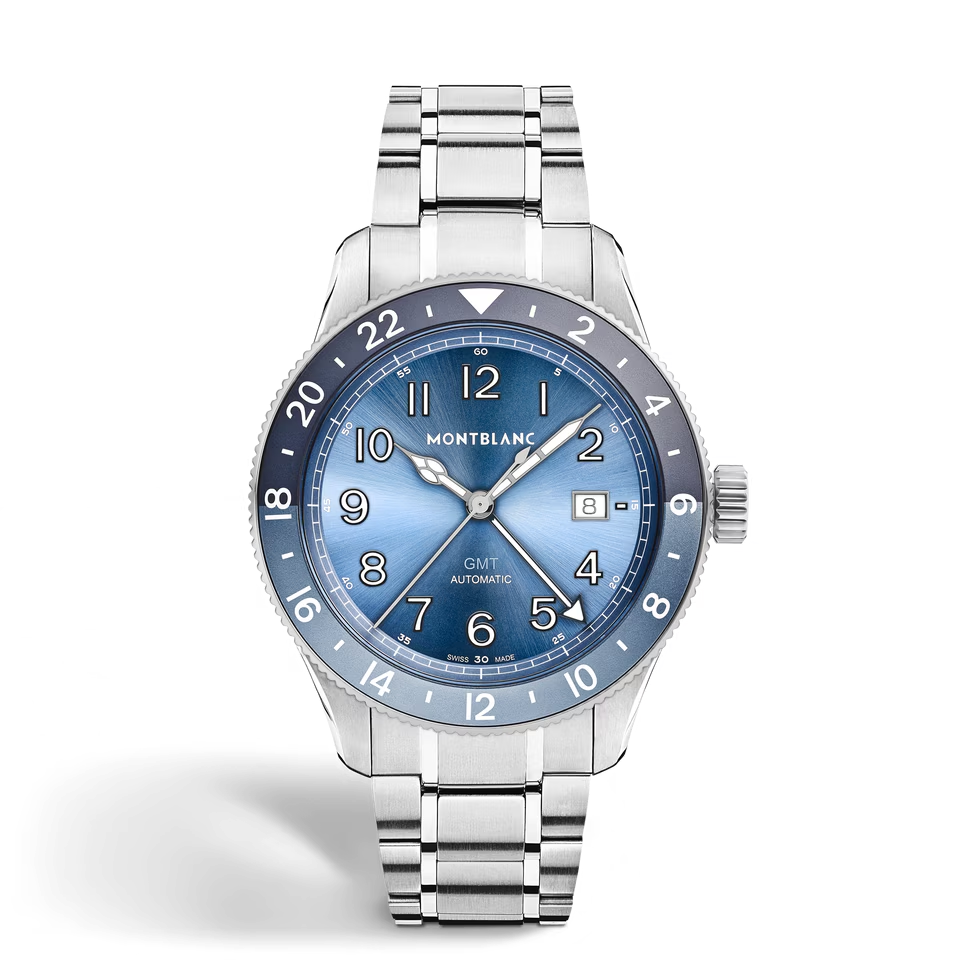
Vintage Minerva styling meets modern pricing, but the movement inside is far from exclusive.
The Montblanc 1858 Automatic presents a vintage-style design, yet its internal mechanics tell a different story about luxury value. While its 40 mm stainless-steel case and 11.07 mm thickness successfully evoke the historical Minerva military aesthetic, complete with 100 m water resistance, the movement within raises questions.
The Caliber MB 24.15 automatic, with its 38-hour power reserve and 26 jewels, is essentially a Sellita SW200-1. Anyone browsing near the $3,000 mark expects a bespoke engine, especially when the watch draws on such rich heritage. This caliber commonly appears in watches costing as little as $400. Serious collectors seeking historical substance often find this gap jarring, particularly when competing offerings at similar prices deliver more exclusive movements.
2. Panerai Luminor Base / Marina (PAM 000, PAM 005, PAM 111)
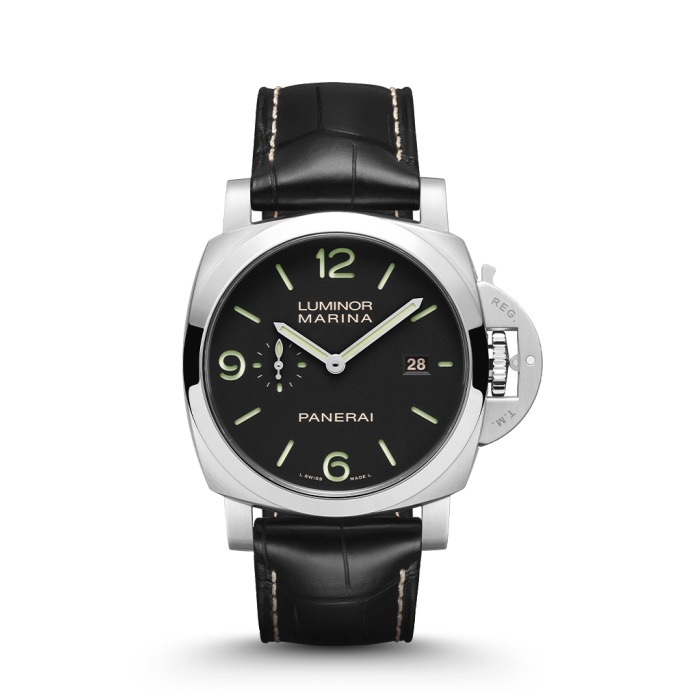
The iconic cushion case and crown guard hide a surprisingly vintage movement at a decidedly modern price.
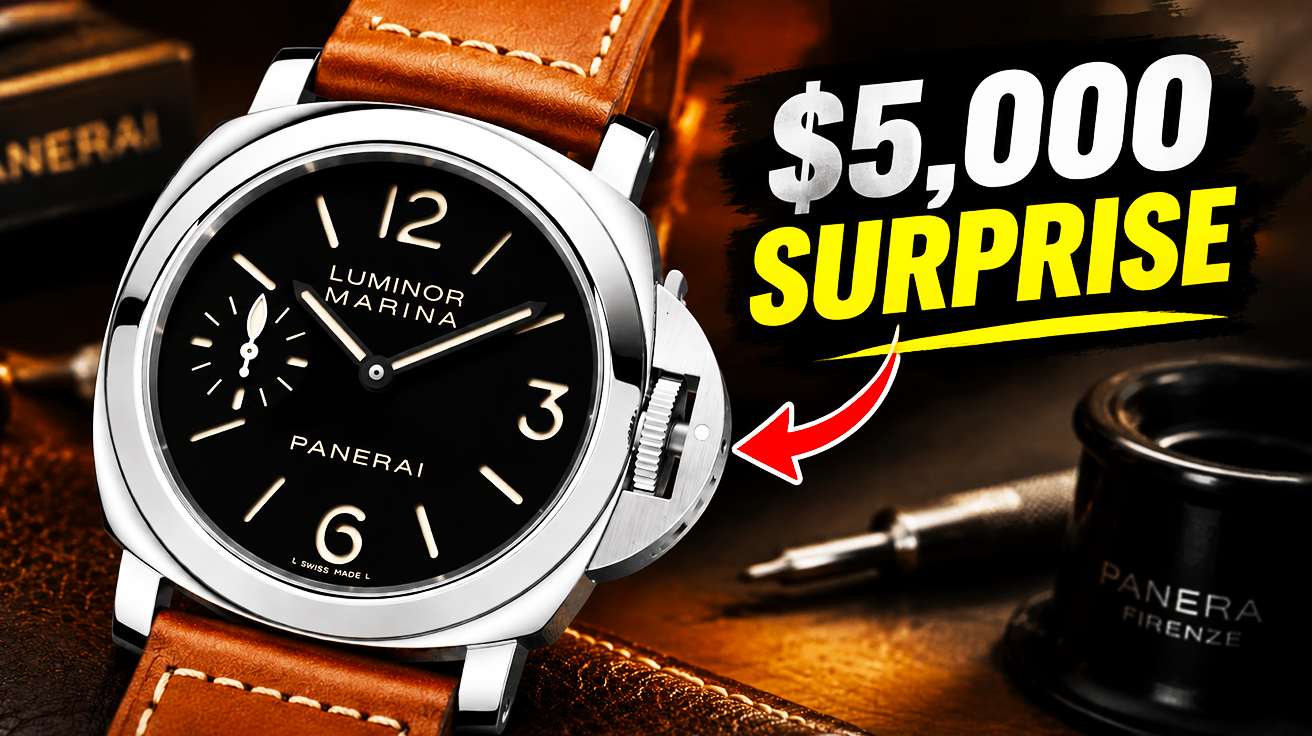
The 44 mm cushion-shaped Luminor case, with its distinctive crown-guard lever, often hides a surprising internal reality in models like the Panerai Luminor Base and Marina. These watches boast a 24 mm lug width and 300 m water resistance. Yet, beneath this instantly recognizable exterior lies a modified ETA/Unitas 6497 movement.
This manual-wind caliber originates from 1950s pocket watches, measuring 16.5 lignes (about 36.6 mm) in diameter, offering a modest 46–56-hour power reserve. Aspiring luxury watch owners drawn to these Panerais might anticipate modern horological innovation. Instead, for a $5,000 investment, they find a movement whose genuine Swiss versions retail around €250-280 (though clones and non-Swiss variants can be found cheaper). For the same sum, alternatives like an Omega Seamaster Co-Axial, a Tudor Black Bay METAS-certified chronometer, or a Grand Seiko Spring Drive offer actual modern movements rather than legacy mechanics.
1. Casio G-Shock (G-STEEL / Full Metal)
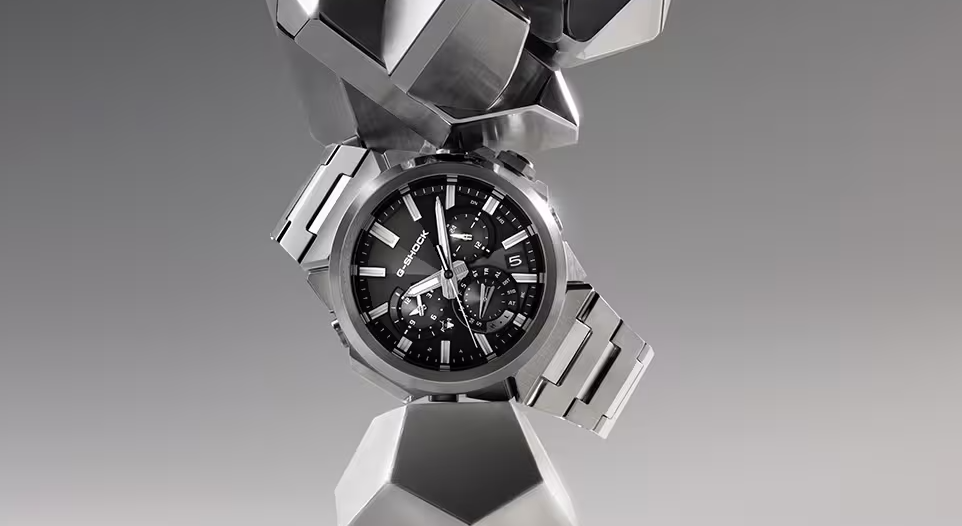
Stainless steel meets serious tech at $400-$600, exposing the component-value gap in luxury watches.
G-Shock models, from their origins, typically guarantee 200 m water resistance and renowned shock resistance across most of the line. This rugged core is exactly why the G-STEEL and Full Metal series deliver serious tech in sleek armor. Robust stainless-steel cases and bezels replace the usual plastic, paired with clear analog-digital displays.
The GM-2100, for instance, uses a steel bezel over reinforced resin with 20-bar water resistance and a 1/100-second stopwatch. Tough Solar charging keeps these watches alive with just light. Bluetooth connectivity and world time functions provide seamless integration. The Full Metal GMW-B5000, often around $500-550, packs this into a full stainless-steel build. For intense activities or daily use, this delivers. When luxury watches often charge more for a basic movement, these G-Shocks, priced between $400-$600, offer a reality check on component value that’s hard to ignore.