White clothes keep you cooler — you’ve known this your whole life. A purple fabric developed by researchers at Zhengzhou University and the University of Adelaide just challenged that assumption. Published in the peer-reviewed journal Small, the study shows a colored textile outperforming white cotton on heat management without a battery, motor, or power source involved. As summers intensify and air conditioning remains out of reach for millions, the idea that cooling clothing must be colorless is now, at minimum, up for debate.
How a Purple Fabric Beats White Cotton
The secret is in the fibers — and it rewires everything you thought you knew about color and heat.
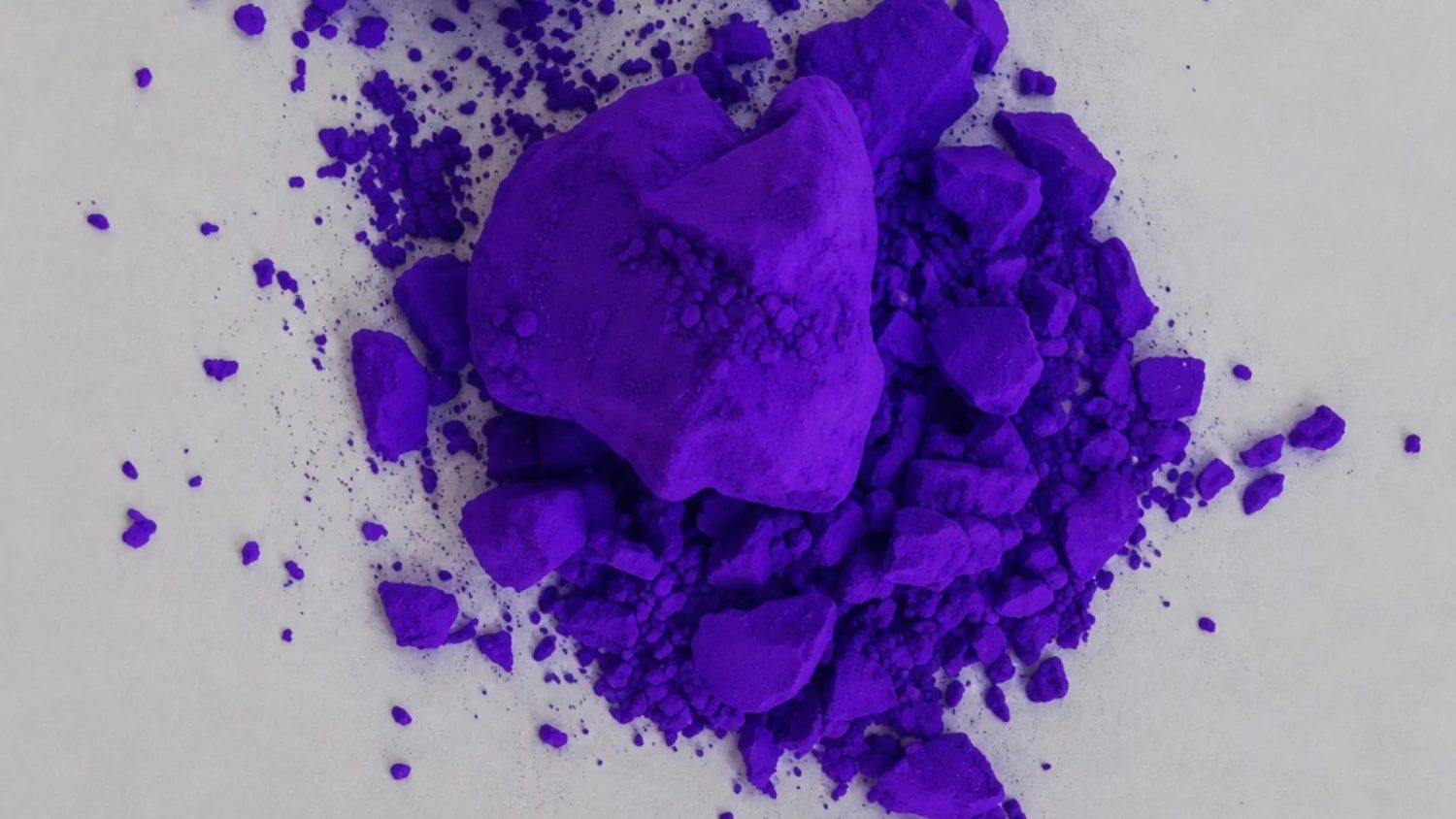
Engineered at the fiber level, this textile bounces away most incoming sunlight while simultaneously radiating body heat outward through the atmosphere — think of it as clothing that works like a two-way mirror for heat. The key ingredients are a purple metal-organic framework (MOF) and zinc oxide nanoparticles integrated directly into the fibers. These materials give the fabric its color and its optical muscle, reflecting solar energy that conventional purple dyes would simply absorb.
The numbers from outdoor and simulated skin tests, as reported via china.org.cn:
- Reflects ~88% of incoming solar radiation despite being a saturated purple
- Emits ~96% of mid-infrared radiation, allowing body heat to escape
- Fabric surface ran 11.2°F (6.2°C) cooler than commercially dyed purple cotton outdoors
- Fabric surface ran 7.6°F (4.2°C) cooler than white cotton under the same conditions
- Simulated skin underneath ran up to 14.4°F (8°C) cooler than uncovered skin
- Performance held after 50 wash cycles and roughly 108 days of simulated UV exposure
Think of a construction worker on a July job site, or a marathon runner in a city that just hit a heat index of 105°F. For those people, cooling clothing isn’t a fashion preference — it’s a health question. PhD candidate Yangzhe Hou (University of Adelaide) put it plainly: outdoor workers and athletes need solutions for managing workplace safety and body temperature “without consuming additional energy.” No charging port. No electronics to waterlog. Just the fabric doing the work.
Not a Product Yet – But a Signal of Where Clothing Is Headed
This is a promising lab prototype, not a jacket you can order — and that distinction matters.
Questions about manufacturing cost, nanoparticle behavior after repeated washing, and large-scale production remain publicly unanswered. The decades-long Gore-Tex-versus-style standoff showed that performance and aesthetics have always competed for the same real estate in apparel. This research suggests that fight may be winnable on both fronts — at least in principle. As Prof. Jun Ma (University of Adelaide) put it, “We have traditionally had to make a choice between cooling performance and appearance. Our research shows that we can have both.”
If the MOF-based approach extends to blues, greens, and branded colorways, the entire category of performance clothing shifts quietly but significantly. The 50-wash durability and UV resistance data suggest the researchers are already thinking beyond the lab bench. The color constraint on cooling textiles looks crackable. What comes next is the harder work of scaling it, a challenge familiar to anyone following advances in materials science.