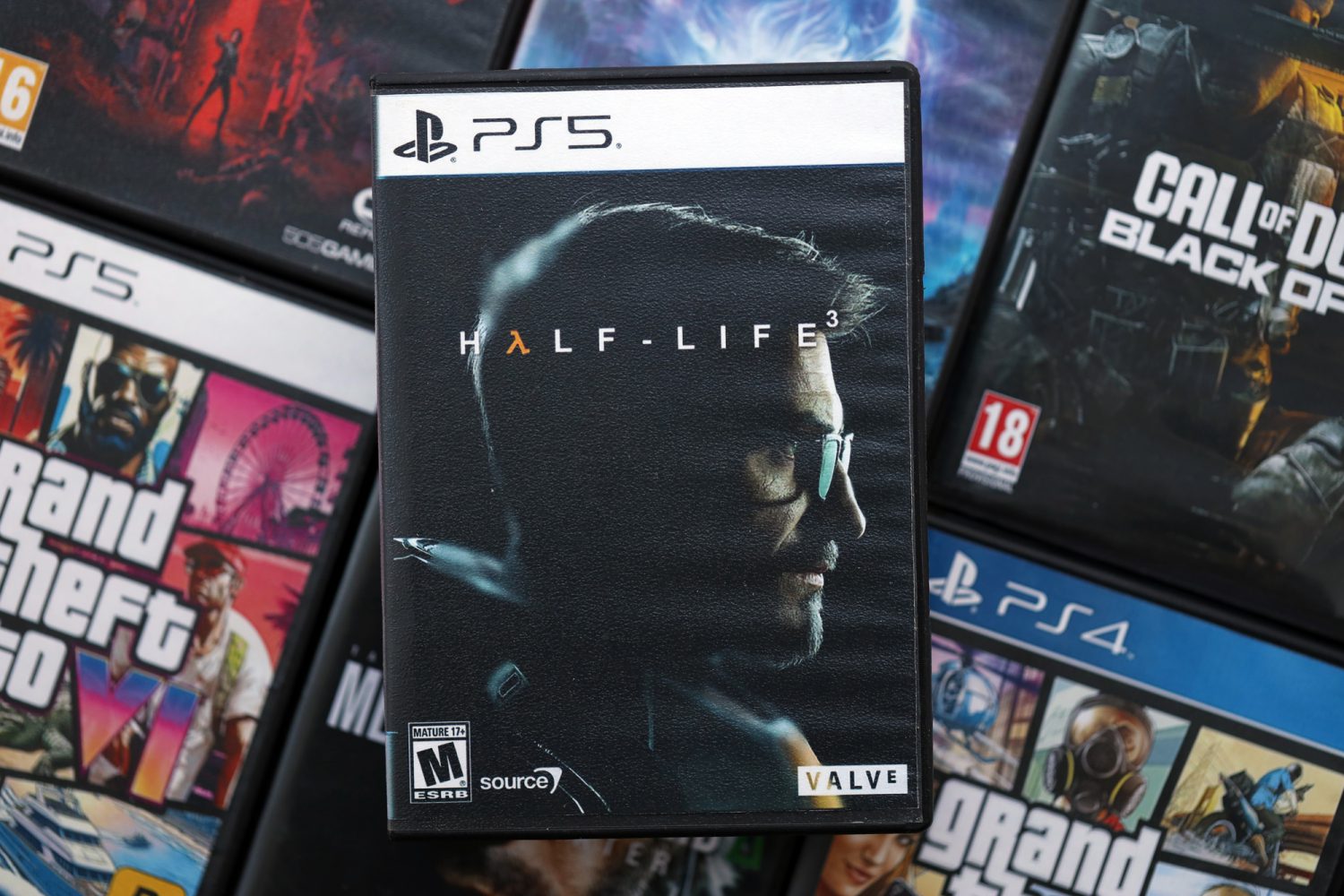
Sony left the comments open during the Phantom Blade Zero State of Play. Bad call. The chat filled with “no disc no buy” — relentless, organized, burying the actual game reveal under a wave of protest. This isn’t random internet noise. Sony confirmed via its official PlayStation Blog that physical disc production for new titles ends January 2028. That decision has since grown into something far larger than a format debate — it’s now a fight about ownership, preservation, and who actually controls your library.
When a Chat Flood Becomes a Culture War
The backlash isn’t fringe anymore — it’s coordinated, dated, and named.
The #PSBlackout campaign, organized by preservation group Does It Play?, runs August 23–30, 2026. Players are urged to avoid logins, purchases, and gameplay entirely for a full week — a structured economic pressure campaign, not Reddit venting. The UK’s Entertainment Retailers Association called Sony’s decision “a triumph of corporate convenience over consumer choice.” When industry trade bodies start issuing statements, the temperature has officially risen past casual complaint.
Here’s what’s actually at stake:
- Sony’s disc cutoff applies to all new games releasing after January 2028 — existing physical releases are unaffected
- The #PSBlackout runs August 23–30, 2026, with players urged to avoid all PlayStation activity entirely
- Circana analyst Mat Piscatella noted only a handful of PlayStation games exceeded 100,000 physical U.S. units this year — Sony’s data argument, in one sentence
- Sony reportedly keeps a significantly larger revenue share on digital sales than physical retail, making a reversal financially costly
Digital dominates full-game sales on PlayStation, and physical unit numbers are declining. This is Netflix killing the DVD — the platform didn’t blink, the business survived, and most customers followed the convenience. Analysts say a rollback is unlikely, and the margin math explains why.
“A triumph of corporate convenience over consumer choice.” — UK Entertainment Retailers Association
But here’s what the protesters actually want: permanence. Resale value. The guarantee that a game you paid for won’t vanish when a server shuts down. A digital library isn’t owned — it’s licensed. That distinction hits differently when the platform control decides to move on without you. Sony holds the financial high ground; players hold the moral one.
Sony’s Math Is Right. That Might Not Save It.
Winning the spreadsheet argument doesn’t mean winning the trust argument.
This protest has the energy of a Reddit-fueled short squeeze — technically irrational, emotionally unstoppable. When dedicated players coordinate week-long blackouts and flood unrelated streams with protest messages, that’s a brand problem, not just a product one. Does It Play? is explicit: the August blackout is designed as an “economic and gameplay blackout,” intended to make Sony feel the financial cost of ignoring its physical-media base.
The August blackout is framed as an “economic and gameplay blackout” — the goal is making Sony feel the financial cost of ignoring its physical-media base.
Sony’s numbers say the physical market is shrinking. But the global devs organizing boycotts and flooding State of Play chats aren’t acting like a demographic in decline. They’re acting like one that’s furious — and furious people stay loud far longer than any spreadsheet predicts.