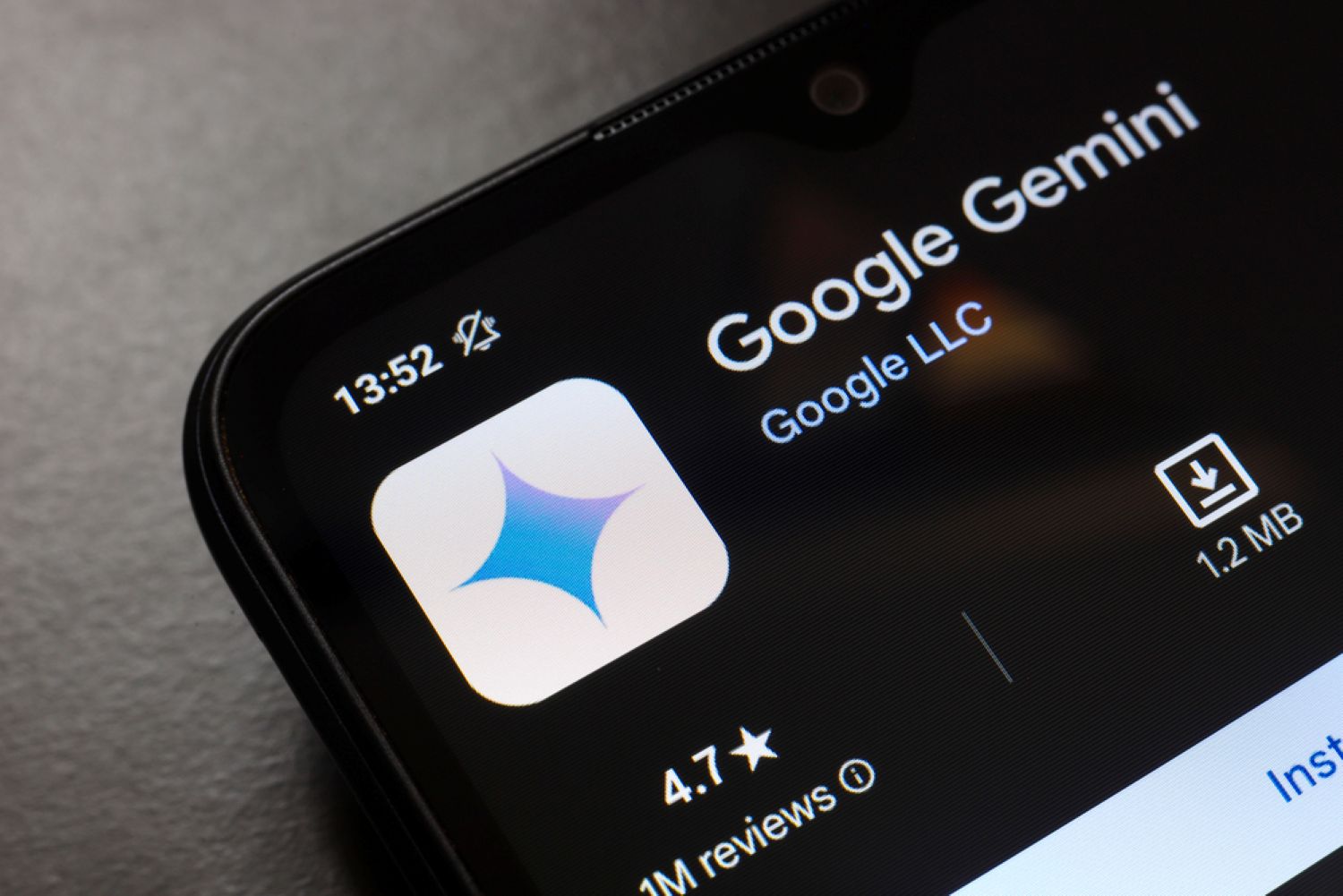
You’ve been there: a Gemini and Flow campaign visual lands perfectly — clean composition, sharp colors, one problem. A tiny sparkle icon sits in the corner like a corporate tattoo nobody approved. Google just fixed that. A new toggle in Gemini and Flow lets you switch off the visible watermark on AI-generated images, video, and music. Head to Settings > Media Watermark on gemini.google.com and the branding disappears.
What doesn’t disappear: invisible SynthID watermarks and C2PA provenance metadata, both still embedded in every file by default. That distinction matters more than it sounds.
Optional Branding, Mandatory Fingerprints
The visible mark is now a toggle; the invisible trail is permanent.
Here’s what the rollout covers:
- Applies to all Gemini media types: images (Nano Banana), video (Omni), and music (Lyria)
- Rolling out over the coming days in Gemini and Flow; Google Search generative media support is “coming next”
- Managed via Settings > Media Watermark on gemini.google.com
- Does not apply in countries where local law requires visible watermarks to remain
- Google is simultaneously open-sourcing Credentio, a local validation library letting developers verify AI provenance without pinging external servers
Visible watermarks made Gemini outputs feel like stock art with the Getty logo still on — technically usable, professionally awkward. Removing them doesn’t make content untraceable. SynthID fingerprints survive compression and format conversions; C2PA metadata travels with the file. Google VP Josh Woodward frames it as “striking a balance between creative control and safety” — accurate, if a little diplomatic. What that means in practice: the corner branding was friction, so it’s now optional. The accountability layer was never the branding.
“SynthID invisible watermarks and C2PA metadata are still being used for transparency.” — Google’s Gemini account
Two Philosophies, One Unanswered Question
Google hands creators a toggle; Anthropic hands regulators a guarantee.
Anthropic is moving in the opposite direction. Driven by EU AI Act compliance, the company now invisibly watermarks all Claude-generated text and files worldwide — not just for EU users. The watermark is woven into token selection at the model level: imperceptible, doesn’t affect readability, and survives copy-paste, though heavy editing can degrade detection reliability.
Anthropic describes it as something that “does not change the meaning, quality, or readability” of responses. Think of it as invisible ink only the right tools can decode — already rolling out across the Claude API, web UI, and cloud partners including AWS and Microsoft Foundry. One regional regulation, global consequence.
The fork between these two approaches is real. Google optimizes for creative flexibility backed by machine-readable provenance. Anthropic optimizes for regulatory certainty, with no user-facing toggle at all. Neither is obviously wrong. The genuinely open question — one regulators may eventually force an answer on — is whether invisible marks alone are sufficient when AI-generated content appears in news coverage or political ads with no visible signal whatsoever.
For creators, the practical upshot is straightforward: your Gemini outputs are cleaner for professional use. The provenance trail still exists for anyone with the right detection tools. The watermark didn’t vanish. It just moved somewhere most people will never think to look.