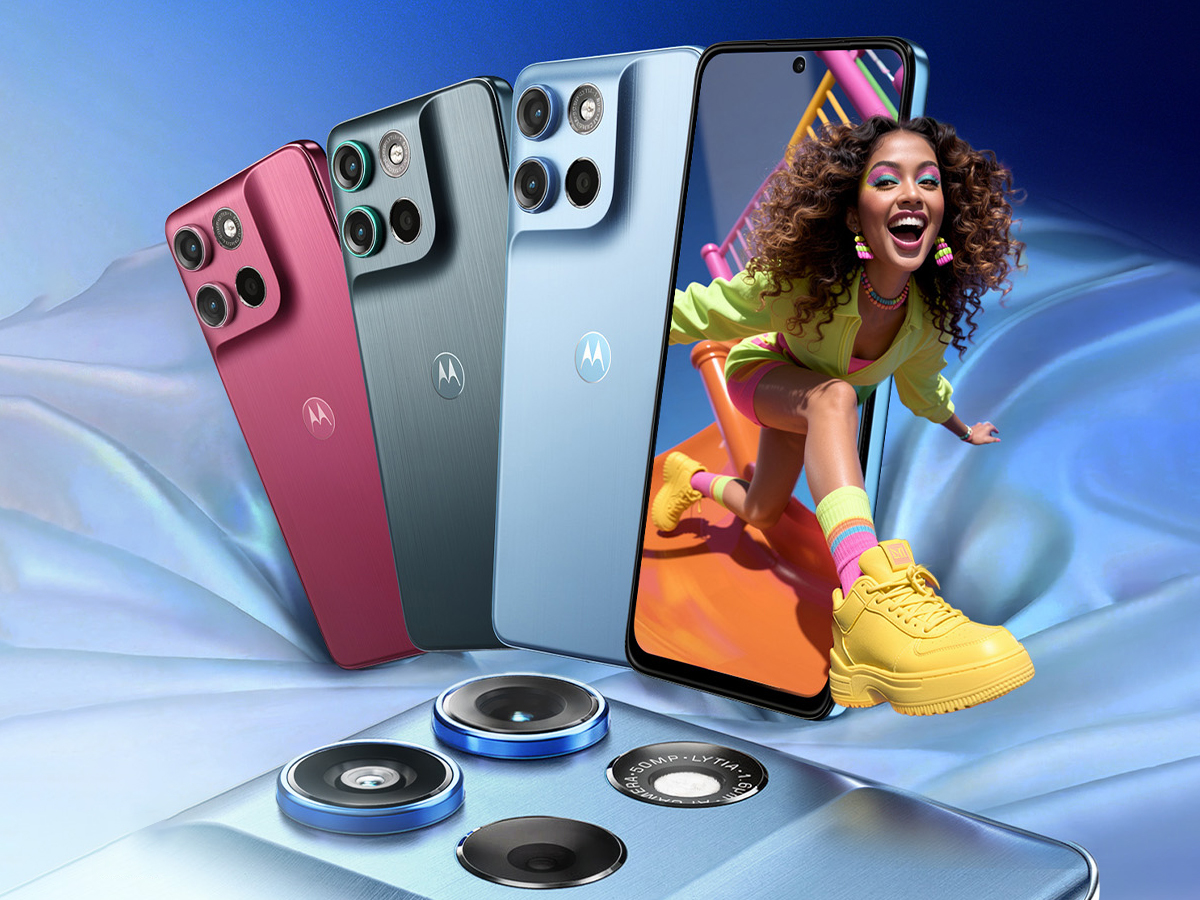
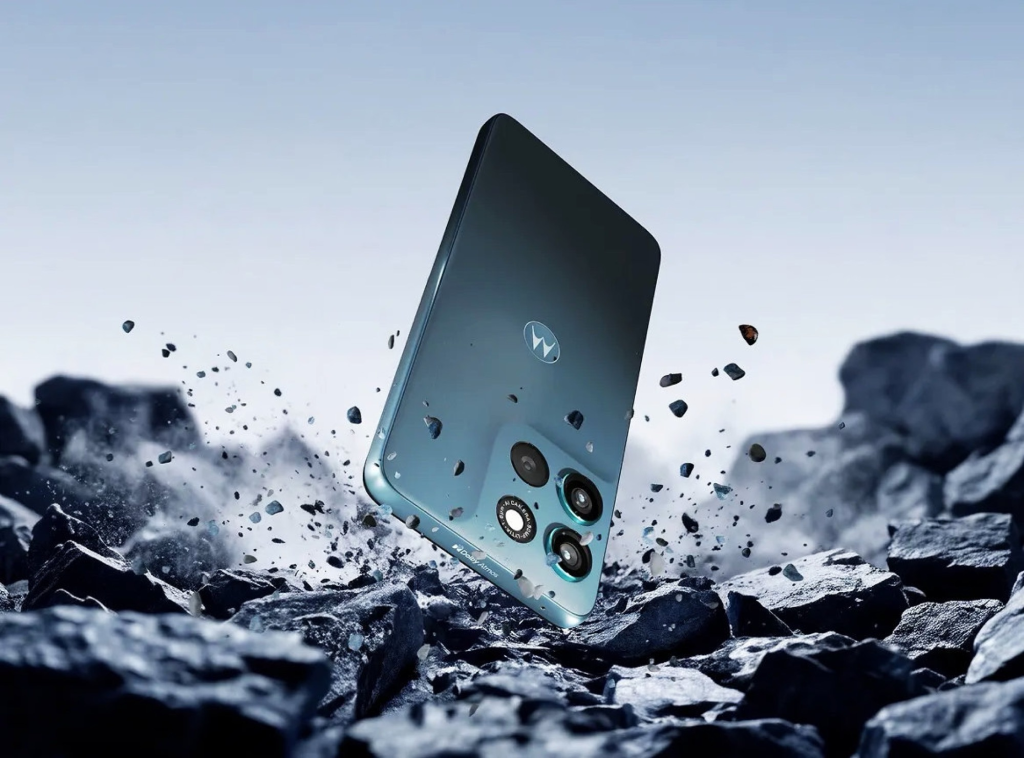
The Moto G Max arrives as Motorola’s most battery-focused mid-range entry in years — a colorful, flat-framed device built around a single, credible promise: outlasting your day. And then the next one. Priced at ₹27,999 for a 6 GB RAM and 128 GB storage configuration, it targets buyers who’ve quietly accepted that their current phone won’t survive a full workday without finding a wall socket. Available in Pantone Stargazer, Pantone Malaga, and Pantone Alaskan Blue, it’s designed to stand out without pretending to be premium.
Your phone dies at 11 AM. You’re mid-commute, hunting for a cable, silently furious at yourself for not charging it last night — again. Motorola’s answer to that very specific humiliation launched in India on August 14, 2026, with first sales beginning August 20. The Moto G Max carries a 7,000 mAh silicon-carbon battery, and Motorola claims it lasts up to 63 hours — roughly three days. That’s the pitch. Everything else is details.
What You Actually Get
The Moto G Max is a deliberate trade-off machine: strong where battery-anxious buyers need it, candid about everything else.
A 6.72-inch IPS panel with 2400×1080 resolution, 120 Hz refresh, and up to 1,050 nits brightness leads the spec sheet. Motorola also describes the display as PWM-flicker-free — a claim worth noting for screen-sensitive users, though it doesn’t appear in independently verified spec listings. Under the hood sits a Snapdragon 6s Gen 4 (4 nm) paired with 6 GB LPDDR5X RAM and 128 GB UFS 3.1 storage. Key highlights at a glance:
- Cameras: 50 MP f/1.8 main with a Sony LYT-600 sensor; 8 MP ultrawide; 32 MP selfie camera
- Charging & protection: 30W TurboPower wired charging; IP64 splash resistance; 3.5 mm headphone jack; side fingerprint sensor
- Software: Android 16 at launch; two major OS upgrades promised; three years of security patches
The Battery Claim, Interrogated
Sixty-three hours is Motorola’s number — plausible, but real-world results will depend entirely on how you use the phone.
Treat it like a gym’s “results may vary” disclaimer. That said, the math is reasonable. Silicon-carbon batteries store more energy in the same physical space than conventional lithium-ion cells, a chemistry increasingly used in newer mid-range phones. Wi-Fi 5, Bluetooth 5.1, and the Snapdragon 6s Gen 4’s modest power profile all help keep consumption in check. The ceiling is 30W charging — well behind the 65W-plus speeds found on pricier rivals — but a phone that reportedly lasts two-plus days simply needs fewer top-ups.
Where Motorola Cut Corners – And Why It Matters
The omissions here are real, and at least one of them will matter to a specific type of buyer.
No NFC. Full stop. Google Pay tap-to-pay, tap-to-pair accessories, transit cards — none of it. IP64 splash resistance, not waterproof. The plastic frame and wide bottom chin aren’t design choices so much as price-tier honesty. The Snapdragon 6s Gen 4 handles daily tasks cleanly but will throttle under sustained gaming — think Netflix marathons, not Call of Duty sessions. If contactless payments are part of your daily routine, this omission will genuinely sting.
The Moto G Max solves one problem exceptionally well and accepts its limitations everywhere else. Battery anxiety your primary frustration? ₹27,999 buys a credible fix. Need NFC or a premium build? Keep looking.