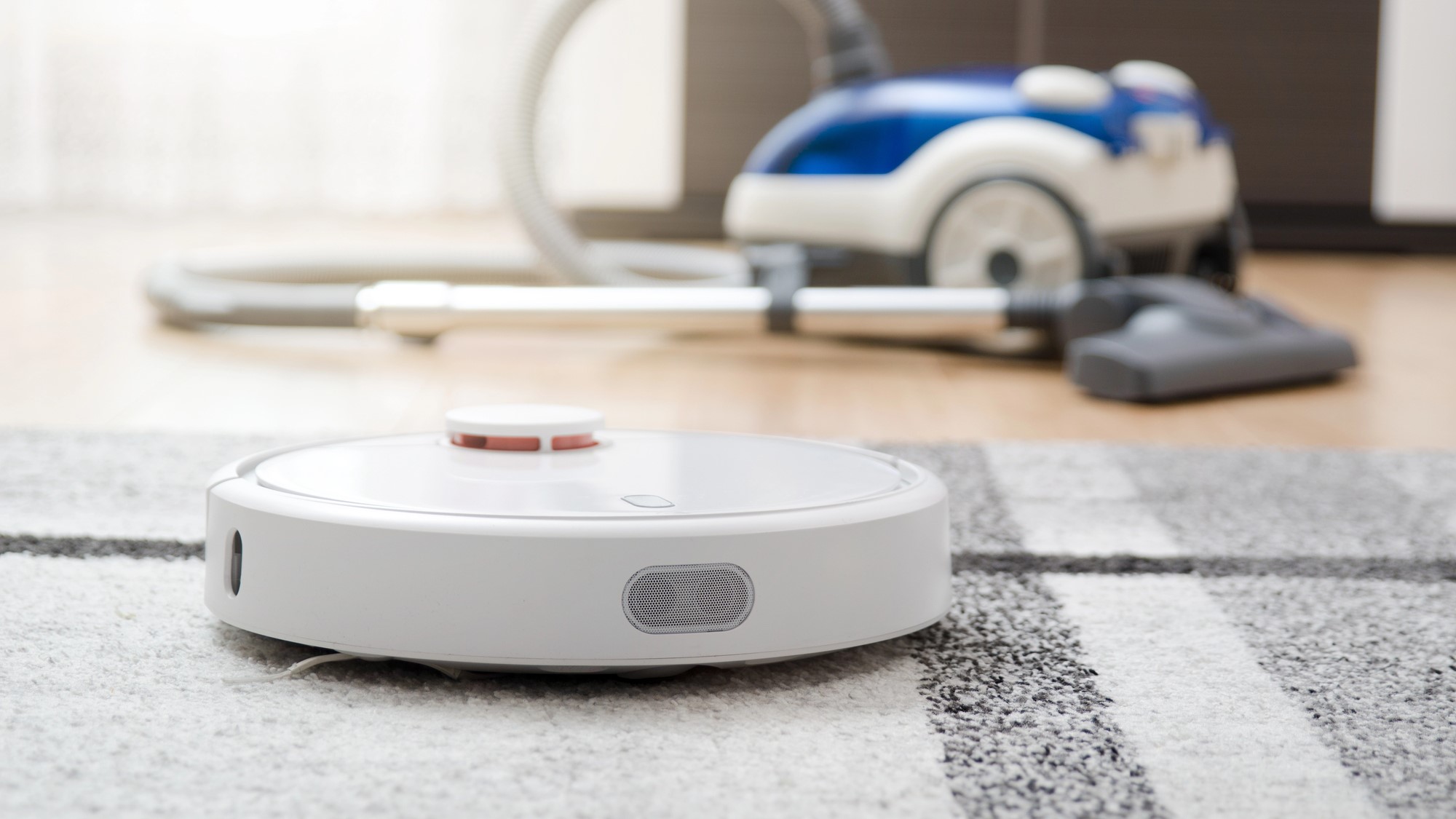
Every major robot vacuum brand sold in the United States just hit a regulatory wall. On July 28, the FCC added “foreign-produced advanced robotic devices” to its Covered List, blocking new models from receiving the equipment authorization required to import, market, or sell connected devices in the country. Roborock, Ecovacs, Dreame, Xiaomi, Narwal — all Chinese companies, according to IDC analyst Jitesh Ubrani, as reported by Mashable. Even Roomba, now owned by Chinese company Picea following iRobot’s bankruptcy, falls under the shadow. Your current vacuum still works. But its successor may never reach U.S. shelves.
If Your Vacuum Maps Your Home, It Qualifies
The FCC’s definition of “advanced robotic device” reads like a spec sheet for every robot vacuum released since 2020.
The criteria are cumulative. A covered device must be a ground-moving robot weighing over 4.4 pounds including its dock, equipped with environmental sensors like LIDAR or cameras, and connected to a network at 200 kbps or faster. It also must run software, firmware, or AI for navigation and data collection. The FCC’s public fact sheet spotlighted humanoids and quadrupeds — not vacuums specifically. But FCC media relations director Katie Gorscak confirmed to The Verge that robot vacuums are included, a detail subsequently reported by Mashable and 9to5Google. If your vacuum maps your living room, connects to your app, and weighs more than a bag of flour, it qualifies.
What This Means for You Right Now
The rule is forward-looking, not retroactive — but the future product pipeline just got complicated.
- Your existing authorized robot vacuum keeps working. No recalls. No bricking. Previously authorized models are explicitly protected.
- Currently authorized models remain legal to sell. Retailers don’t need to pull inventory from shelves.
- New foreign-produced models require conditional approval from the Department of Homeland Security or Department of War before the FCC can grant authorization. Without that approval, new models cannot be imported, marketed, or sold.
- Even U.S.-assembled vacuums aren’t automatically in the clear. California startup Matic told The Verge it may still need a waiver because it doesn’t source 65% of its components domestically — so “assembled in America” is not an automatic pass.
“The five largest robot vacuum brands, including Roborock, Ecovacs, Dreame, Xiaomi, and Narwal, are all Chinese companies.” — Jitesh Ubrani, IDC analyst
Your Living Room Is the New Frontier
The FCC is applying the same playbook it used against Huawei routers — now extended to the device currently under your couch.
While regulators once focused on network infrastructure, your living room just became the new frontier. These devices map home interiors, collect detailed spatial data, and connect to foreign-controlled cloud infrastructure. Documented vulnerabilities have shown internet-connected vacuums remotely hijacked via consumer game controllers, according to CNN reporting. Think of it as the TSA-shoes moment for consumer robotics — once the vulnerability is demonstrated, the entire category changes. This mirrors the FCC’s prior restrictions on Chinese telecom gear from Huawei and ZTE, now extended to devices that live inside your home. Some critics argue origin-based bans suppress innovation without addressing security through transparent audits or enforceable standards, but that debate hasn’t slowed the regulatory momentum.
If you’ve been eyeing a new model from any of the dominant brands, the currently authorized version is your most practical option right now. The pipeline of next-generation Chinese-made robot vacuums is functionally frozen for the U.S. market unless waivers materialize, supply chains reshape, or manufacturers hit domestic component thresholds that even U.S.-based assemblers are struggling to meet. What this regulatory shift really signals is that connected devices that see inside your home are no longer just consumer gadgets — they’re strategic.