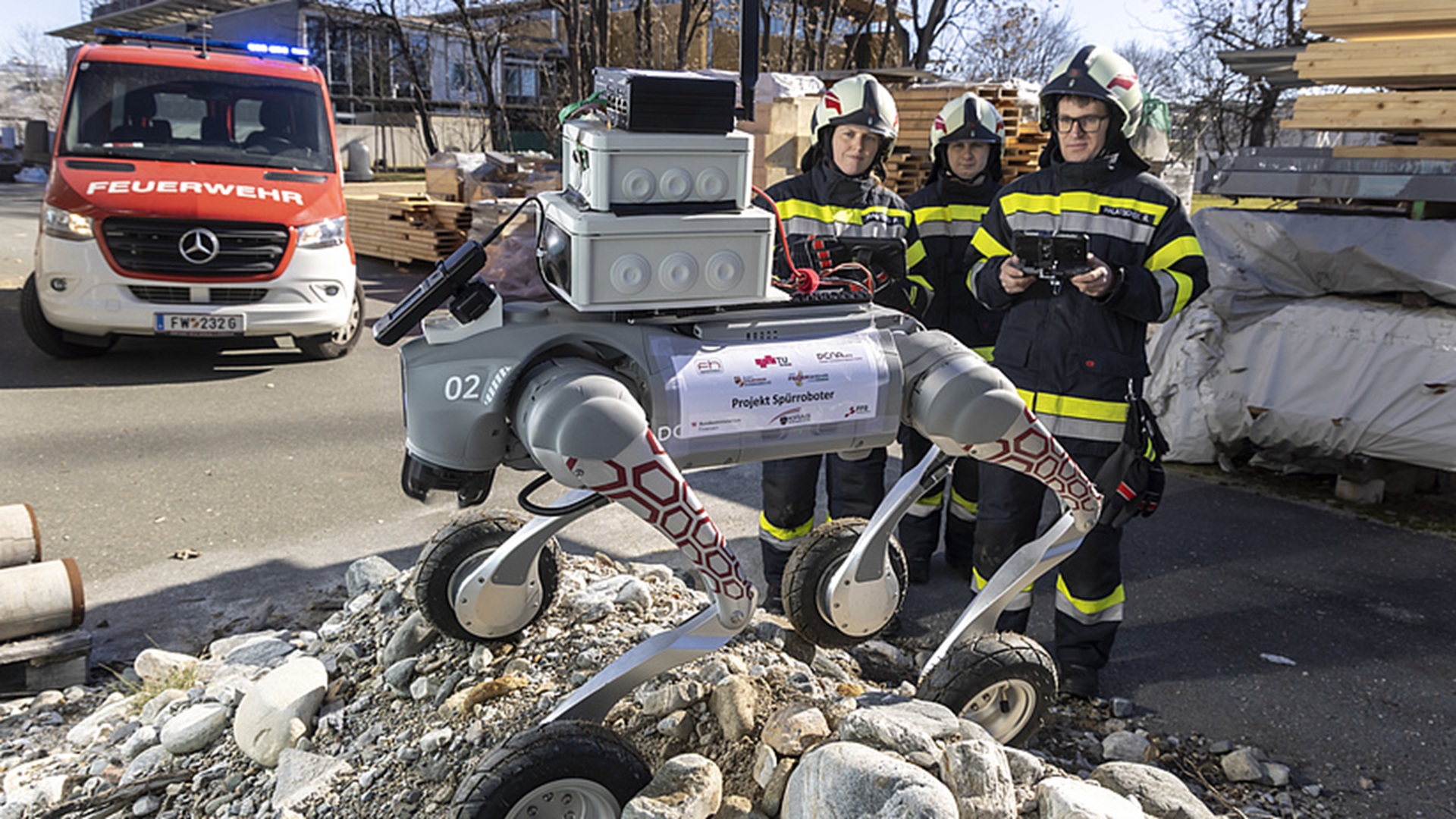
Chemical plant explosions don’t wait for anyone. When hazardous gases start leaking, every minute firefighters spend suiting up in bulky protective gear is another minute the situation deteriorates. Austrian researchers just solved this timing problem with a four-legged robot dog that walks into danger zones first.
Remote Reconnaissance Before Human Entry
The Graz University of Technology robot dog carries the same gas detection equipment firefighters already use, but it goes places humans can’t—at least not immediately. Remote-controlled from a safe distance, it measures pollutant concentrations and transmits both sensor data and camera footage from within contaminated areas. Gerald Steinbauer-Wagner from TU Graz explains the robot “measures pollutant concentrations and delivers the data together with a camera image in real time from the danger zone.” Think of it as a Spot robot’s practical cousin, purpose-built for keeping firefighters alive.
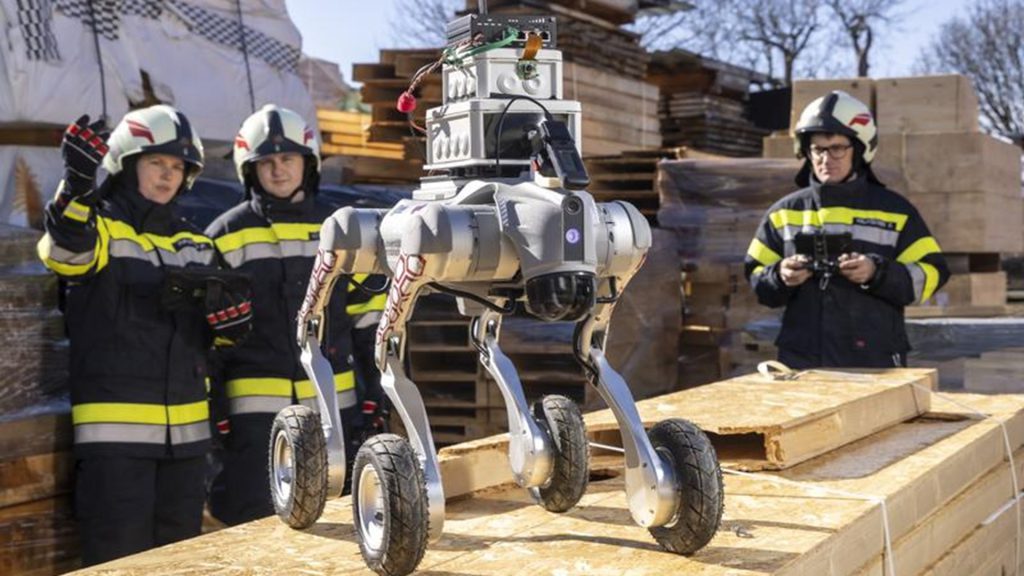
Field Tests Prove Combat Readiness
This isn’t vaporware. The robot has already been extensively tested by emergency services during major hazardous materials training exercises, delivering exactly what commanders need: actionable intelligence before anyone enters the hot zone. Gerald Czech of the Austrian Federal Fire Service Association puts it bluntly—in a real incident, he’d send the robot in before his firefighters. Getting measurement data and images while crews are still putting on their Level A suits “increases the safety of the crew and improves operational command.” The timing advantage is everything when toxic clouds are spreading.
Commercial Components Meet Crisis Response
Rather than reinventing robotics, TU Graz built its system from commercially available components—a pragmatic approach that keeps costs manageable and maintenance straightforward. This mirrors how Boston Dynamics’ Spot already patrols industrial facilities and how Los Alamos National Laboratory uses similar robots for radiation monitoring. Austrian fire service experts now advocate making detection robots permanent members of HazMat response teams, indicating this technology has moved beyond proof-of-concept into operational planning.
The era of robotic first responders isn’t arriving someday—it’s being tested in Austrian fire stations right now. When the next chemical emergency hits, you might see a metal dog leading the charge.