
Your EV’s range anxiety might have a solution hiding in the hills of Maine. The U.S. Geological Survey just mapped enough lithium in the Appalachians to replace 328 years of current imports—a discovery that could reshape where your phone’s battery materials come from. But don’t expect shovels in the ground anytime soon.
The Northeast Emerges as America’s Lithium Hotspot
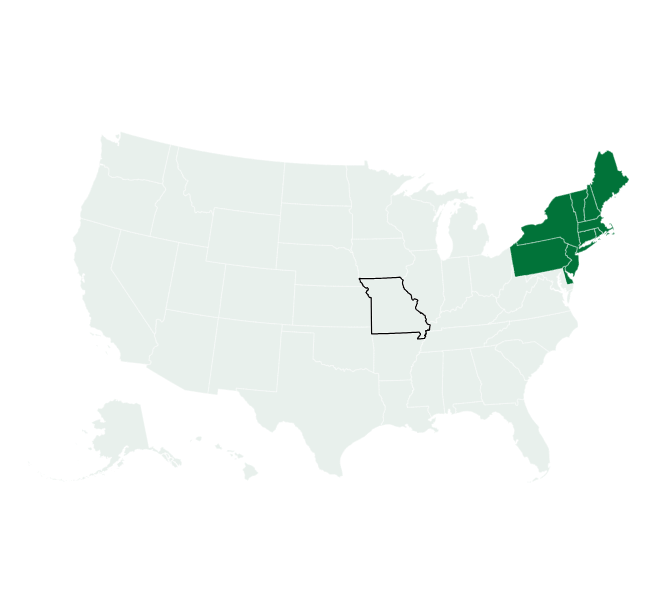
Western Maine contains the richest concentrations, with New Hampshire and Vermont also showing major potential.
The northern Appalachians harbor roughly 900,000 metric tons of lithium resources, according to USGS estimates. Western Maine leads the pack, with pegmatite formations—think granite’s mineral-rich cousin—containing enough lithium for millions of batteries. The southern Appalachians, stretching through the Carolinas, hold even more: about 1.4 million tons. Together, this represents the largest domestic lithium resource assessment in U.S. history.
Maps Show Potential, Not Permits
These geological surveys identify where lithium exists, not where mines will actually be built.
These maps shouldn’t be mistaken for a mining blueprint. As USGS geologist Joshua Rosera explains, the agency’s role is providing “actionable data on securing mineral resources” based on geology and economics—not deciding where shovels hit dirt. Maine’s notoriously strict mining laws, adopted after past environmental controversies, make large-scale extraction challenging. The state limits open-pit mines larger than three acres and imposes stringent water-quality requirements that could derail projects before they start.
Hard Rock Reality Check
Extracting lithium from New England requires different methods than the salt flats of South America.
Unlike the brine pools of Chile and Argentina, Appalachian lithium sits locked in hard rock that requires conventional mining, crushing, and chemical processing. This approach takes longer and costs more than pumping lithium-rich saltwater, but it’s proven technology. The catch? Building mines and processing facilities takes a decade or more, meaning these resources won’t immediately change your EV’s sticker price or reduce dependence on Chinese refiners who control global lithium processing.
What This Means for Your Tech
Domestic lithium could eventually stabilize supply chains, but short-term impacts remain limited.
The Appalachian discovery frames a classic American tension: achieving energy independence might require industrializing landscapes prized for wilderness and recreation. Your smartphone and EV depend on stable lithium supplies, but extracting that security could transform hiking trails into mining zones. Whether these mapped resources become actual mines depends on volatile lithium prices, community acceptance, and political will to balance green energy goals with environmental protection—a debate that’s just beginning in the granite hills of New England.