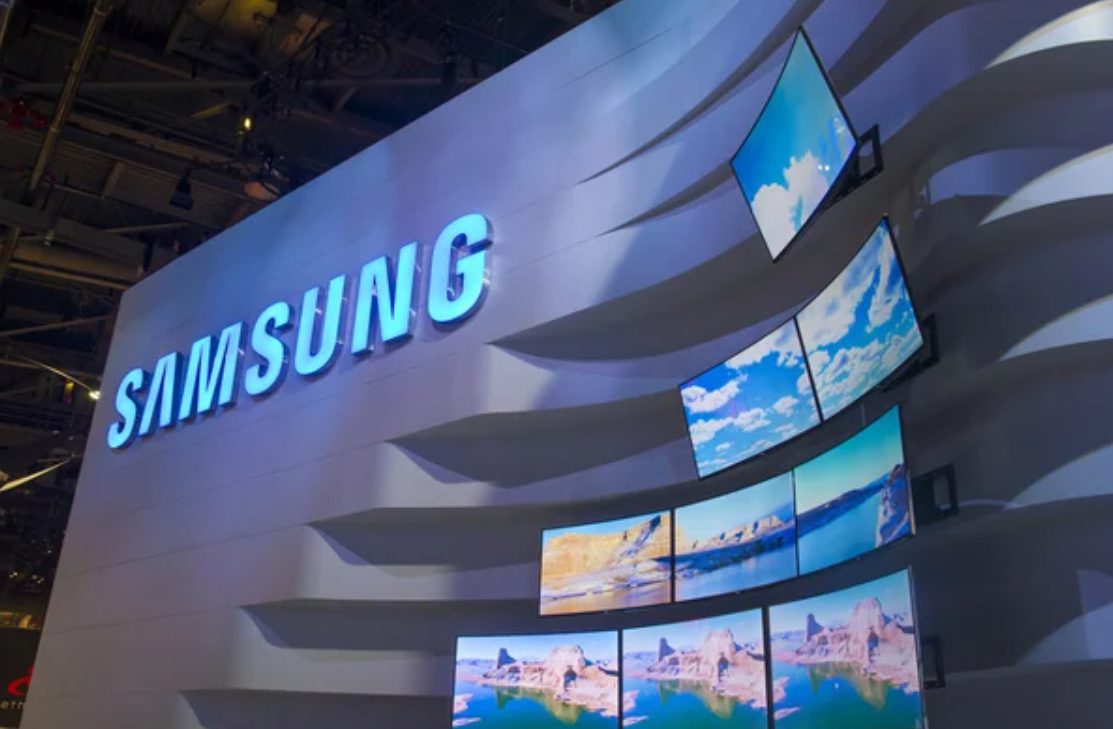
Daily losses approaching $2 billion. Samsung isn’t waiting for its unprecedented 18-day union strike to begin—the world’s largest memory chipmaker has already throttled production and entered “emergency management mode” across its semiconductor fabs. This preemptive damage control reveals just how fragile global chip supply chains remain, especially when your next laptop or smartphone depends on components flowing from these ultra-precise facilities.
What Emergency Mode Actually Means
Samsung cuts wafer input and places critical equipment on standby to prevent catastrophic fab damage.
Emergency management isn’t corporate theater—it means cutting new wafer input, placing lithography and etching equipment on controlled standby, and prioritizing high-value chips like AI-focused HBM memory. Semiconductor fabs operate like Netflix’s content delivery system: they’re designed for 24/7 precision, and sudden shutdowns create quality disasters and equipment instability.
With over 43,000 workers from the 72,405-member Samsung Group United Union pledging to walk out, Samsung faces near-total fab shutdowns without this controlled wind-down.
Six Weeks of Global Supply Disruption
Pre-strike preparation plus post-strike restart could disrupt memory supply through early summer.
The math is brutal: roughly six days of pre-strike wind-down, 18 days of actual strike action, plus two to three weeks needed to stabilize automated lines afterward. That’s potentially six weeks of significantly reduced output from a company that controls massive chunks of global supply.
TrendForce estimates the disruption could affect 3-4% of global DRAM supply and 2-3% of NAND production—percentages that sound small until you remember we’re already in an AI-driven memory shortage.
Your Wallet Will Feel This
Memory price increases and delayed AI infrastructure buildouts are practically guaranteed.
Samsung’s simultaneous crises—both the semiconductor strike and separate mobile division emergency mode due to profit pressure—signal broader industry strain. Memory prices for PCs, smartphones, and SSDs were already climbing thanks to AI datacenter demand.
This supply hit could push hyperscalers toward SK Hynix and Micron, potentially reshuffling the competitive landscape in high-bandwidth memory just as AI infrastructure buildouts accelerate. According to JPMorgan analysis, total losses could reach 43 trillion won if the strike runs its full course.
Courts could still limit the strike’s scope through Samsung’s injunction request, potentially reducing damage to the 10-20 trillion won range rather than worst-case scenarios. But the fact that a labor dispute can threaten $2 billion in daily semiconductor output exposes how concentrated and vulnerable global tech production remains—especially inconvenient timing when AI demand has everyone scrambling for memory.