Microsoft’s billion-dollar bet on Kenya just crashed into an uncomfortable truth: your AI ambitions mean nothing if the lights go out. President William Ruto delivered the reality check himself, admitting that Microsoft’s proposed data center would require “switching off half the country.” The project’s stalled negotiations reveal how Big Tech’s hunger for computing power is outpacing entire nations’ electrical capacity—and why your Azure bills might stay high while East African latency remains frustrating.
The Numbers Don’t Add Up
Microsoft wants 100 MW from a country with 3 GW total capacity
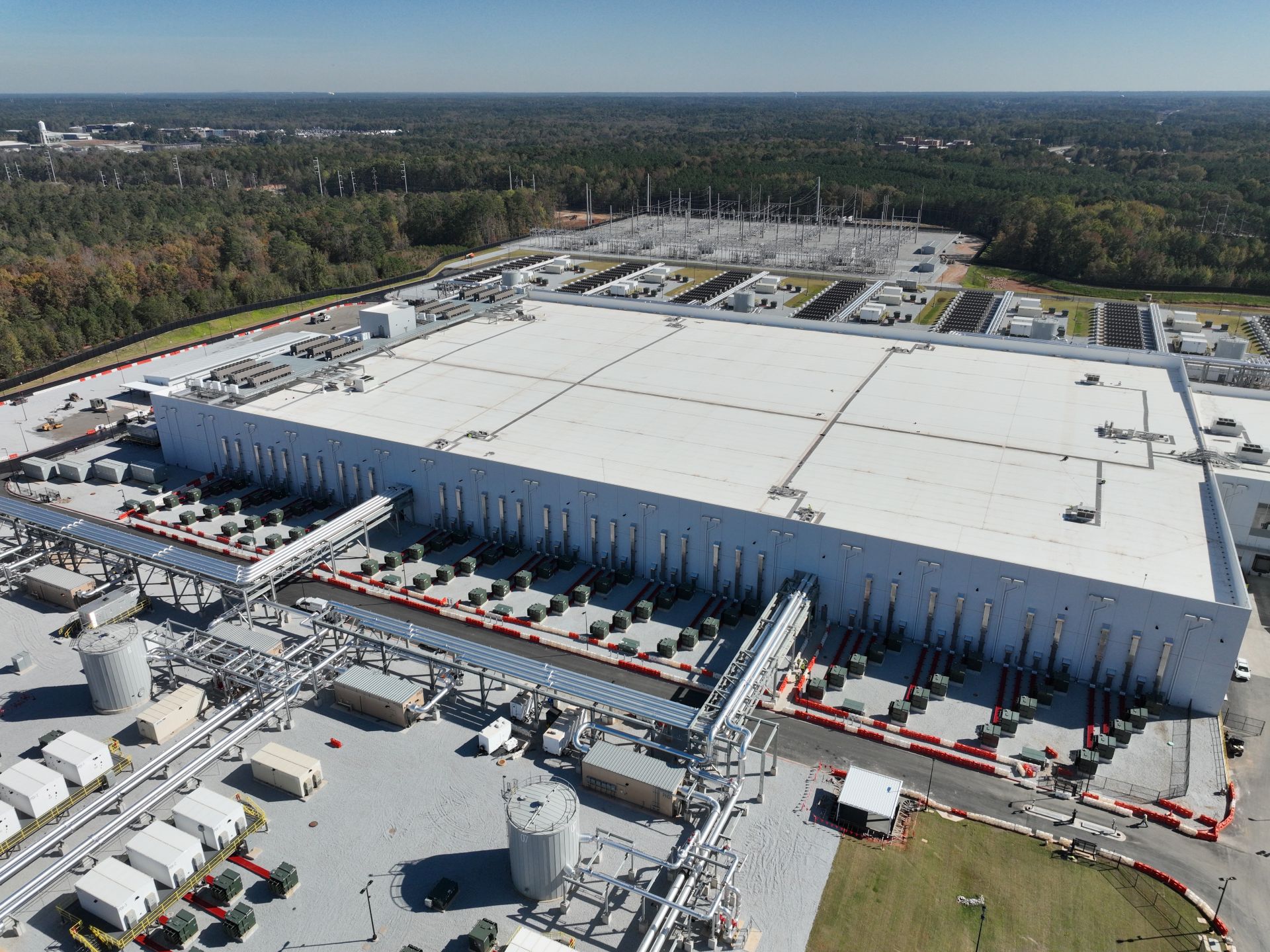
Kenya’s entire electrical grid produces around 3 gigawatts of power. Microsoft’s “modest” first phase demands 100 megawatts—roughly equivalent to powering 80,000 American homes. The company’s long-term vision scales to 1 gigawatt, which would consume one-third of Kenya’s total electricity generation. With peak demand recently hitting 2,444 MW, precious little headroom exists for a hyperscale data center, even one powered by the 950 MW Olkaria geothermal complex.
Money Talks, Guarantees Walk
Government can’t promise the purchase commitments Microsoft requires
Beyond power constraints, talks stumbled over Microsoft’s demand for government guarantees on annual data capacity purchases—essentially asking Kenya to become a guaranteed customer for its own infrastructure investment. Facing IMF-imposed fiscal limits, Nairobi couldn’t provide the financial backstops Microsoft needed.
“It is not failed or withdrawn… still requires some structuring,” says John Tanui, Principal Secretary at Kenya’s Ministry of Information, diplomatically describing what amounts to a standoff.
This isn’t just Kenya’s problem—it’s yours too.
What This Means for Your Cloud Bills
Delayed African infrastructure keeps costs high and latency frustrating
Africa currently hosts just 1% of global data center capacity, forcing the continent’s users to route through European or Middle Eastern servers. Microsoft’s Kenya delay perpetuates this digital colonialism, keeping your gaming lag high and enterprise sync slow if you’re accessing Azure from Nairobi or Cape Town. The infrastructure gap also means premium pricing for what should be commodity cloud services.
The Global Pattern Emerges
AI’s energy appetite outpaces grid capacity worldwide
Microsoft’s Kenya reality check mirrors similar power crunches from Utah to Singapore, where data center proposals routinely exceed local grid capacity by multiples. A smaller 60 MW facility remains under discussion with local developer EcoCloud, but the fundamental mismatch between AI infrastructure demands and existing power grids won’t disappear through wishful thinking.
Understanding these infrastructure bottlenecks helps you make smarter cloud provider choices—and explains why that “revolutionary” AI future might arrive more slowly than the press releases suggest.