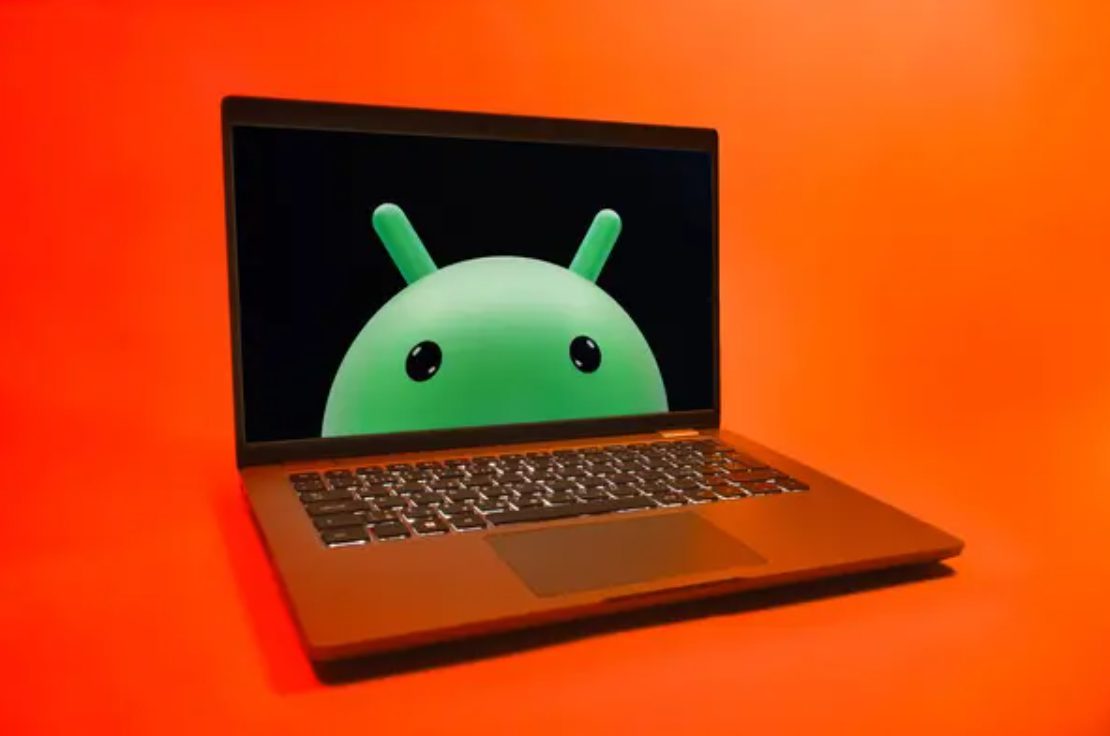
Telegram leakers just dropped a 16-minute Aluminium OS demo hours before Google’s Android Show, and the timing feels deliberate as a Marvel post-credits scene. This isn’t another ChromeOS refresh—it’s Google’s full-court press to dominate desktop computing with an Android-based system that treats AI as the foundation, not an afterthought. Your computing choices just expanded dramatically, though this transition may bring some computer problems.
Android Meets Desktop in Leaked Footage
The demo showcases familiar Android elements scaled for laptop screens with desktop-specific enhancements.
The leaked footage shows Aluminium OS running Android 17 with a desktop UI that borrows ChromeOS’s taskbar and app drawer while maintaining Android’s visual DNA. You’ll recognize the setup process, but everything scales properly for laptop screens—no more squinting at phone-sized interfaces.
Google’s search bar sits prominently on the home screen, while desktop icons and window management work exactly as you’d expect from a proper PC operating system. The interface feels natural rather than forced, suggesting Google spent considerable time refining the mobile-to-desktop translation.
Gemini AI Takes System-Level Control
Built-in AI promises seamless multitasking and automation across Google’s ecosystem.
This isn’t just Android with a taskbar slapped on. Aluminium OS integrates Gemini AI at the system level, handling multitasking decisions and automating routine tasks without your intervention. The AI can juggle Chrome extensions, manage device integration, and provide real-time assistance that actually understands context.
Think less Clippy, more digital assistant that knows when you’re procrastinating. The system reportedly learns your workflow patterns and anticipates needs before you voice them.
Hardware Compatibility Spans Intel and MediaTek
Google’s targeting broad device support rather than exclusive hardware partnerships.
Earlier bug tracker leaks showed Aluminium OS running smoothly on HP Elite Dragonfly Chromebook hardware with Intel processors, suggesting Google learned from Android’s fragmentation issues. The system supports both Intel and MediaTek chips, positioning it for budget laptops and premium devices alike.
Leaked “Googlebooks” laptop images hint at native hardware, but the real strategy appears focused on ubiquity over exclusivity. This approach could sidestep the hardware compatibility nightmares that have plagued previous Android desktop attempts.
Your next laptop decision just got more complicated. Google’s betting that unified ecosystems and AI-native computing will trump Windows’ legacy dominance, and this leak suggests they’re closer to deployment than anyone expected. The competitive implications for Microsoft and Apple are substantial.