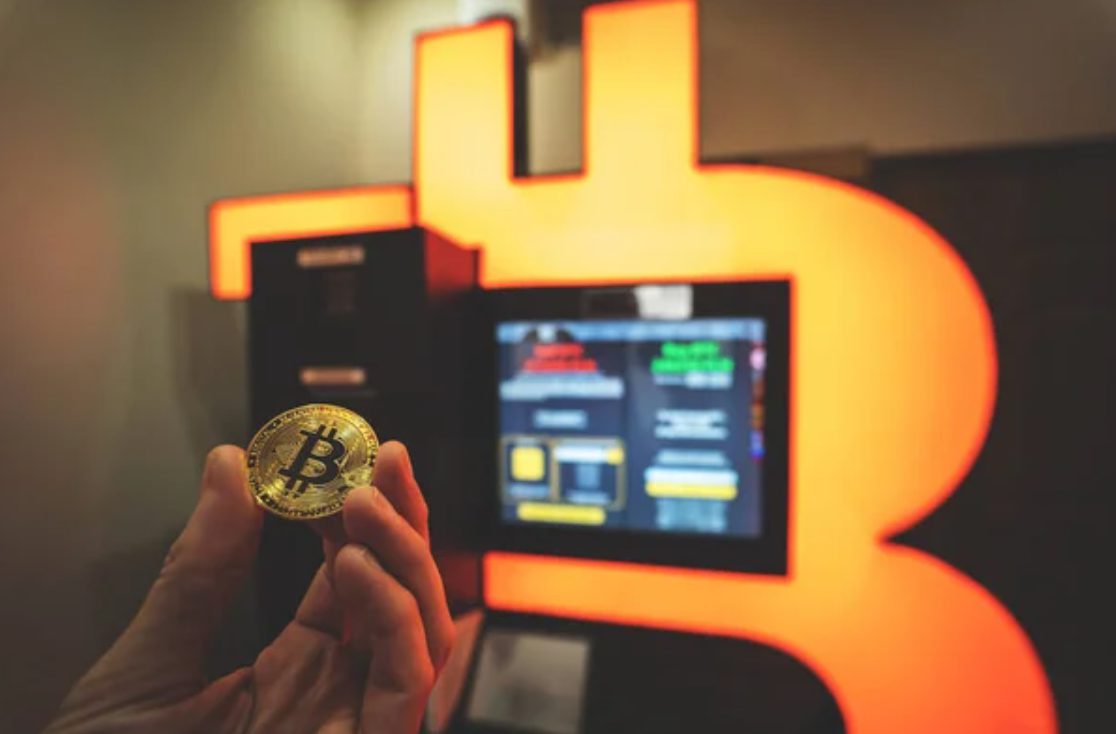
Your local gas station’s Bitcoin ATM just got a death sentence. Tennessee Governor Bill Lee signed House Bill 2505 on April 13, making his state the second to completely ban crypto ATMs after Indiana took the plunge in March. The machines—those glowing kiosks promising easy cash-to-crypto conversions—must go dark by July 1, 2026.
Violating the ban carries Class A misdemeanor charges, the same level as simple drug possession. That’s serious enough to make convenience store owners think twice about hosting these digital money changers.
The Scam Machine Pipeline
Romance fraudsters and fake officials direct victims to irreversible blockchain transfers via kiosks.
Here’s how the con works: Someone claiming to be a stranded soldier, government official, or oil rig engineer convinces you to “help” by depositing cash at a Bitcoin Depot kiosk. The moment you feed bills into that machine, your money vanishes into the blockchain forever—no chargebacks, no recovery, no mercy.
Tennessee lost $190.3 million to internet crimes in 2024, with crypto scams representing a massive chunk. Nationally, the FBI tracked $333 million in losses specifically through crypto ATMs in 2023. One Tennessee victim called “Rita” lost $6,500 to a fake boyfriend’s oil rig emergency. The romance was fake; the financial damage was brutally real.
Unlikely Alliance Forces Action
AARP teams with sheriffs and elder advocates for unanimous legislative support against fraud tools.
The ban didn’t emerge from crypto-hating legislators. AARP Tennessee, the Tennessee Sheriffs’ Association, and the Elder Justice Coalition formed an unlikely coalition after watching seniors get systematically fleeced. “The bad guys get the money instantaneously… almost impossible for law enforcement to retrieve those funds,” explained Phil Gentile from the Tennessee Elder Justice Coalition.
Sheriff Casey Cox and AARP advocates documented case after case of irreversible theft. When Rep. Cameron Sexton declared that “machines have become a direct channel for fraud, especially against seniors,” the legislature voted unanimously. This wasn’t partisan politics—it was consumer protection math.
The Regulation Spectrum
Other states choose transaction limits over total bans, testing different approaches to crypto kiosk control.
Tennessee follows Indiana’s scorched-earth approach, but other states experiment with middle-ground solutions:
- South Dakota capped daily transactions at $1,000 and mandated refund policies
- Minnesota’s proposed Bill 3868 would limit transactions to $2,000 with enhanced disclosures rather than elimination
- Wyoming requires crypto ATM operators to register as money transmitters—more paperwork, same machines
The question isn’t whether crypto deserves a place in American finance. It’s whether cash-fed kiosks in gas stations represent legitimate access or elaborate scam infrastructure. Tennessee just chose its side.