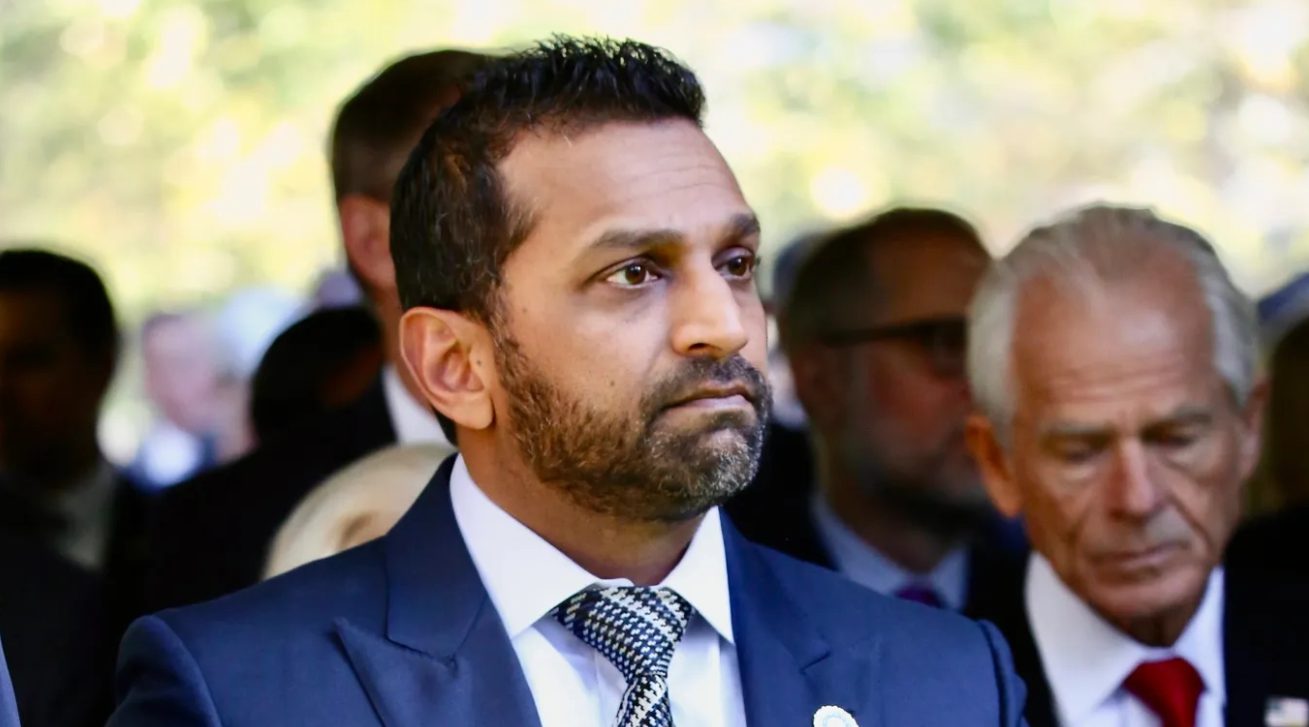
FBI Director Kash Patel just credited artificial intelligence with preventing school massacres in North Carolina and New York. According to Patel, speaking on Sean Hannity’s podcast, AI systems triaged tips that humans couldn’t process fast enough, stopping planned attacks before they happened.
It’s the kind of claim that sounds like science fiction—until you remember we’re living in an era where your phone already predicts your next word and Netflix knows your viewing habits better than you do. But unlike consumer AI, these systems supposedly protect lives, not just recommend shows.
The Tech Behind the Claims
FBI now processes thousands of weekly tips through AI systems embedded in private sector partnerships.
Patel describes embedding “every major tech company in the world” into FBI systems, creating what sounds like a surveillance supercomputer. The AI systems operate through the National Threat Operations Center, analyzing terabytes of data to deliver “instantaneous results” on everything from fingerprint matching to fugitive warrants.
Think of it as spam filtering, but for threats to national security—algorithms sifting through digital noise to find genuine danger signals. Patel claims AI wasn’t used at the FBI until the second Trump administration, crediting the technology with transforming how agents handle the thousands of weekly tips that would overwhelm human analysts.
Reality Check on School Security
With 330 school shootings in 2024, the pressure for AI solutions intensifies across the education sector.
Companies like VOLT AI already offer real-time weapon detection systems that promise alerts within seconds, compared to the 8+ minute average police response time. The technology exists—behavioral analysis through existing school cameras, automated threat alerts, pattern recognition of suspicious activity.
What’s unclear is whether Patel’s claims represent genuine breakthroughs or strategic messaging about the second Trump administration’s tech priorities. His assertion that predecessors focused on “weaponization, not modernization” suggests this deployment might be as much about political positioning as public security.
The Verification Problem
No independent confirmation exists for the specific North Carolina and New York preventions Patel described.
You’d expect concrete details about thwarted school attacks to surface through local media, school district communications, or law enforcement reports. Instead, we have one official’s statements on a partisan podcast, with no corroborating evidence from the communities supposedly saved.
The absence of verification doesn’t necessarily invalidate the claims, but it raises questions about transparency in an agency handling sensitive security operations. When AI systems make life-or-death decisions based on tip analysis, the public deserves more than trust-me assurances.
The promise of AI preventing school violence deserves serious evaluation, not just breathless press coverage. Until we get independent verification and transparency about these systems’ actual capabilities, parents and students deserve healthy skepticism about miracle tech solutions that sound too good to verify.