Dead drivers can’t get tickets—but their robotic replacements finally can. Starting July 1, 2026, California’s Department of Motor Vehicles will enforce comprehensive traffic compliance measures against driverless vehicle manufacturers, ending years of legal immunity that left autonomous cars free to run red lights, block emergency responders, and ignore basic traffic rules without consequence.
The Citation Mechanism Changes Everything
Officers now issue “Notice of AV Noncompliance” directly to manufacturers instead of absent drivers.
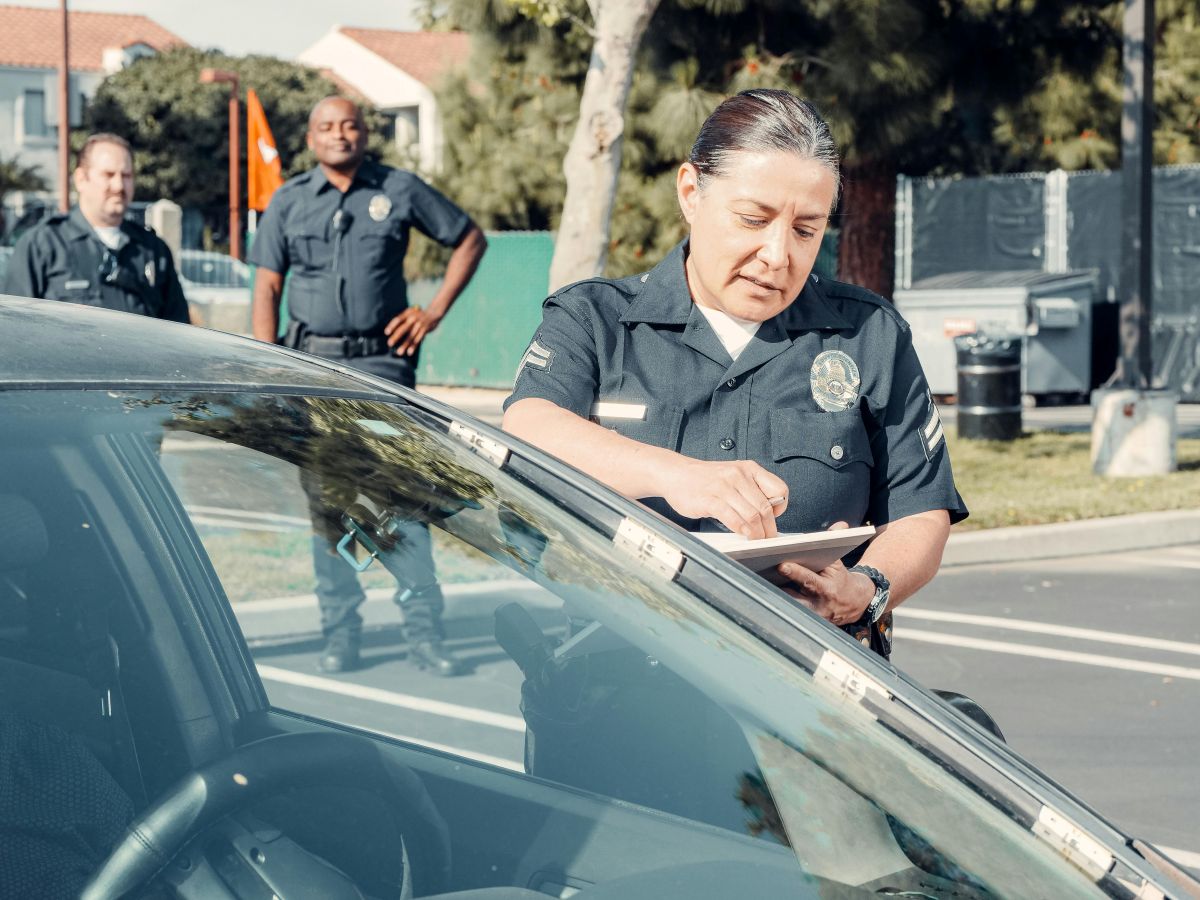
When law enforcement spots a Waymo blowing through a red light, officers will issue a “Notice of AV Noncompliance“ to the vehicle manufacturer rather than hunting for a nonexistent driver to cite. This addresses the foundational legal problem that created the enforcement gap—existing traffic codes required citations to be issued to licensed drivers, according to DMV spokesperson Jonathan Groveman. “The manufacturer is the entity responsible for correcting the behavior,” he noted.
Emergency Response Gets Serious Upgrade
Companies must respond to emergency calls within 30 seconds and clear emergency zones in two minutes.
Manufacturers face strict emergency coordination requirements that directly impact your safety during crises. Companies must respond to police and emergency service calls within 30 seconds, while emergency officials can now issue geofencing directives that electronically ban driverless vehicles from active emergency zones. Any autonomous vehicles already present must clear the area within two minutes or face financial penalties. This responds directly to incidents like the December 2025 San Francisco blackout, when stalled Waymo vehicles blocked intersections without functioning traffic signals.
Real Violations Get Real Consequences
Running red lights, failing to yield to pedestrians, and blocking emergency vehicles now trigger enforcement action.
The new framework covers traffic violations you encounter daily:
- Running red lights
- Failing to yield to pedestrians
- Improper lane changes
- Failing to stop for school buses
San Francisco Fire Department officials have repeatedly reported robotaxis obstructing emergency vehicle access during response operations—problems that previous regulations couldn’t address. Repeated or serious violations may result in permit restrictions, suspension, or revocation of operating authority.
The regulations apply to major operators including Waymo, Cruise, Zoox, and May Mobility, while simultaneously permitting autonomous truck operations for the first time. This expansion removes previous prohibitions on vehicles exceeding 10,000 pounds, opening freight automation opportunities alongside stricter passenger vehicle oversight.
Your autonomous vehicle experience just became more predictable. Instead of wondering whether that robotaxi follows traffic rules, you’ll know manufacturers face direct accountability for their vehicles’ behavior—turning autonomous vehicles from unregulated experiments into properly supervised transportation.