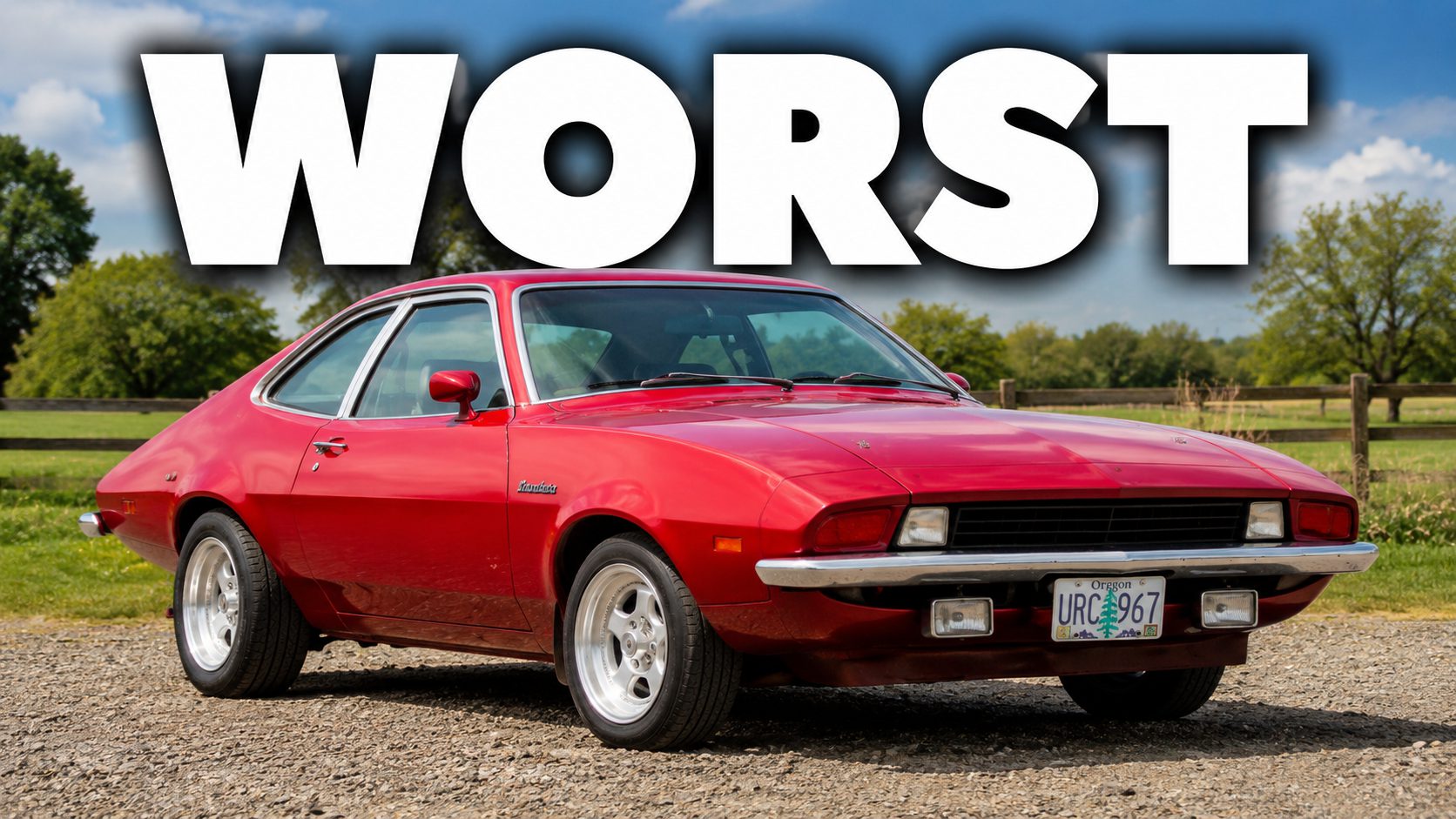
What separates a legendary car from a regrettable one? It’s often the commitment to quality, innovation, and, frankly, not setting the car on fire. This isn’t about mere disappointment; it’s about vehicles so flawed they became legends for all the wrong reasons. From questionable engineering choices to outright ethical failures, these 12 cars are the cautionary tales every automotive enthusiast should know. Prepare for a journey through automotive blunders that remind us why some designs should have never left the drawing board.
12. AMC Pacer (1975-1980) (Exterior)
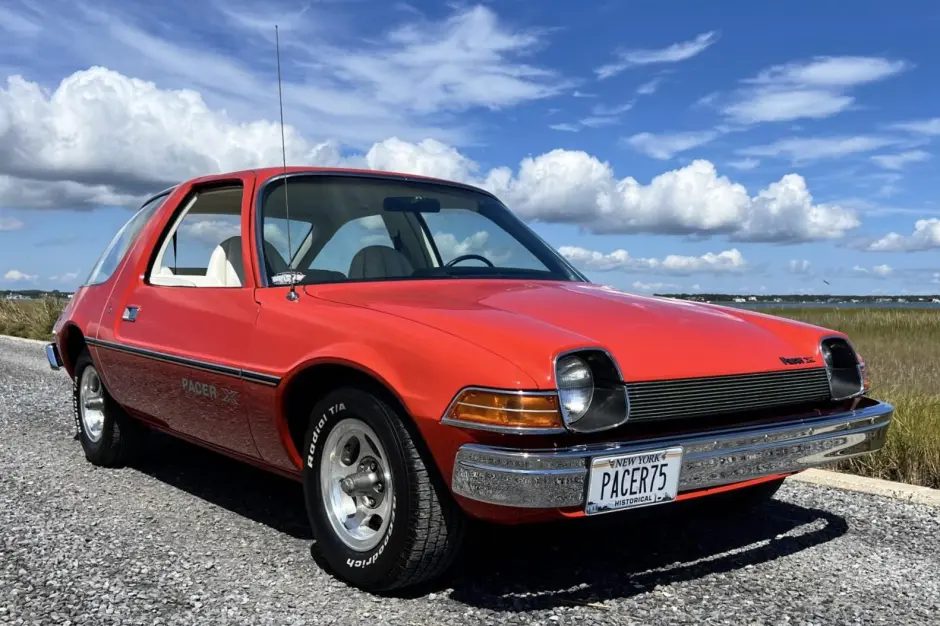
The wide small car that looked like a goldfish bowl with wheels.
The AMC Pacer arrived in 1975 looking like a concept car that got lost on its way to the auto show. Marketed as the first “wide small car,” this compact sported a greenhouse the size of a small greenhouse, making it feel like driving in a fishbowl. Even with its 5.0L V8 pushing a modest 140 hp, this hefty car, tipping the scales at over 3,000 lb, struggled to get out of its own way efficiently.
AMC Pacer (1975-1980) (Interior)
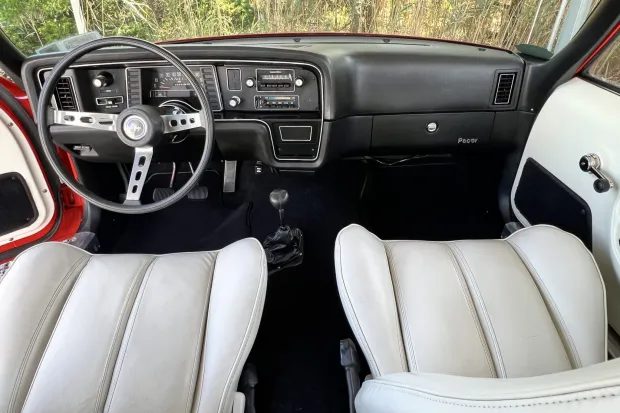
The passenger door was four inches longer than the driver’s side, all to make squeezing into the back a bit easier. Picture trying to survive a summer commute in that massive glass bubble; the air conditioning surrendered quickly. Combine that with the electrical gremlins and vacuum line headaches typical of AMC’s budget-conscious engineering, and anyone had a rolling testament to questionable design choices.
11. Chevrolet Vega (1971-1980) (Exterior)
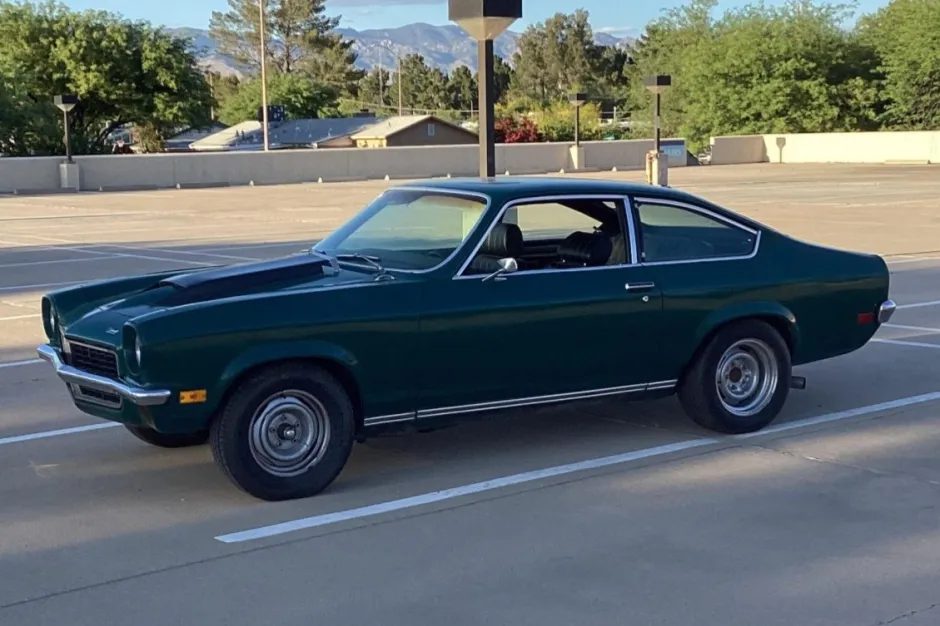
General Motors’ aluminum-block disaster that rusted faster than a forgotten bicycle.
When General Motors unleashed the Chevrolet Vega in 1971, it was supposed to be their American-made answer to the burgeoning import car market, starting at around $2,000. It boasted a high-tech 2.3L aluminum-block inline-4 engine, offering between 70 and 110 hp, featuring etched cylinder bores instead of traditional liners. The reality was far less glamorous. These engines quickly became infamous for overheating, warping cylinder heads, and guzzling oil at an astonishing rate.
Chevrolet Vega (1971-1980) (Interior)
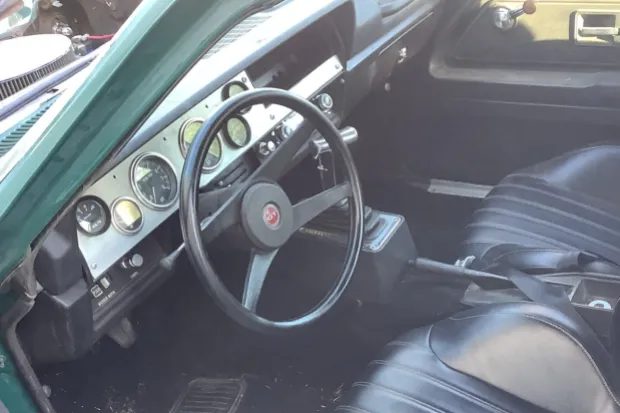
The engine issues were just one part of the Vega’s legendarily bad reputation. Surface corrosion appeared within two years and structural rust ate through fenders and door bottoms within four. Consumer Reports famously condemned the car as one of the worst tested, and many models failed before reaching even 50,000 miles.
10. Plymouth Volare (1976-1979) (Exterior)
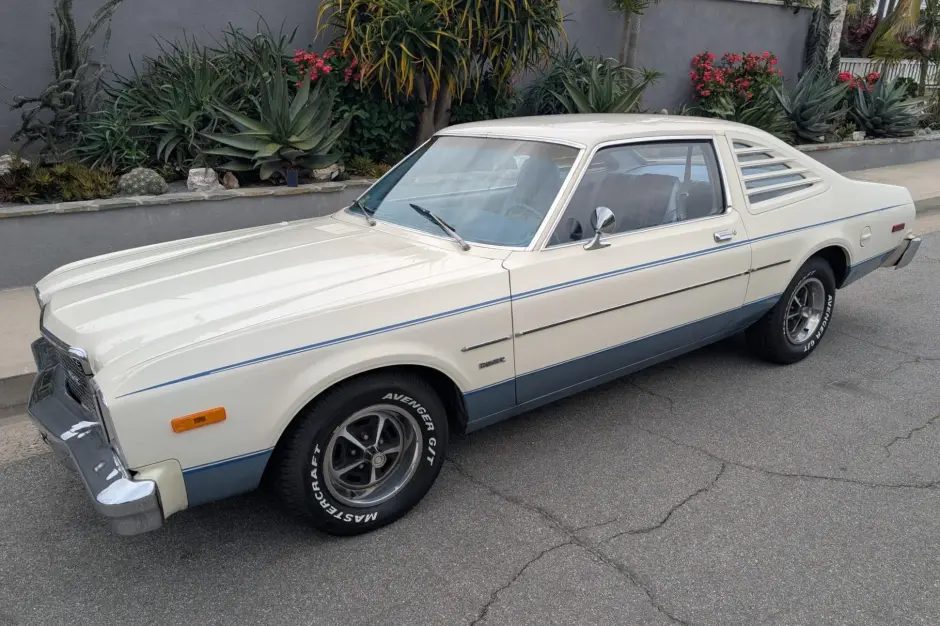
Motor Trend’s Car of the Year that aged like forgotten fruit.
Motor Trend crowned the 1976 Plymouth Volare ‘Car of the Year,’ a decision that quickly aged like a forgotten banana. This Chrysler compact, meant to replace the sturdy Valiant, was a rust magnet from day one. Within two years, its front fenders and headlight bezels were dissolving faster than a sugar cube in hot coffee. The front suspension’s upper control arm bushings would bail before 30,000 miles, leading to dicey steering and uneven tire wear.
Plymouth Volare (1976-1979) (Interior)
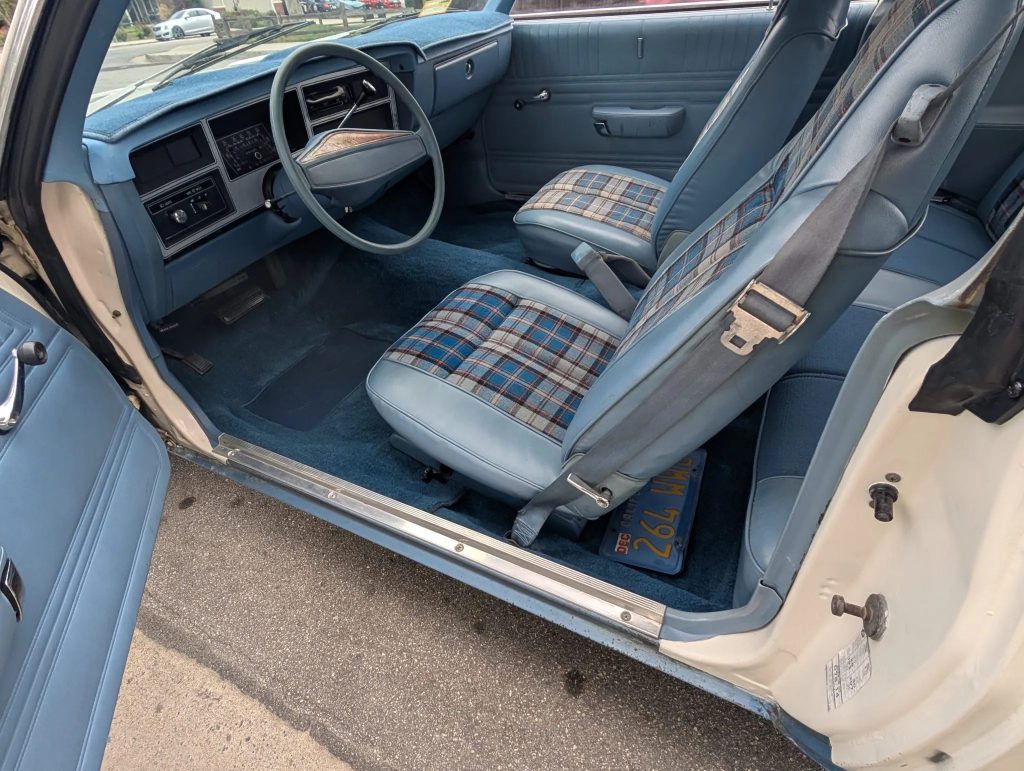
Persistent carburetor and emissions issues caused the car to stall chronically, turning traffic lights into a gamble. Despite Chrysler’s hefty marketing push that moved over 300,000 units in its first year alone, the Volare’s widespread problems soon cemented its notorious reputation. Anyone who’s ever dealt with a car that just won’t start knows the frustration, and the Volare delivered that feeling on a grand scale.
9. Ford Edsel (1958-1960) (Exterior)
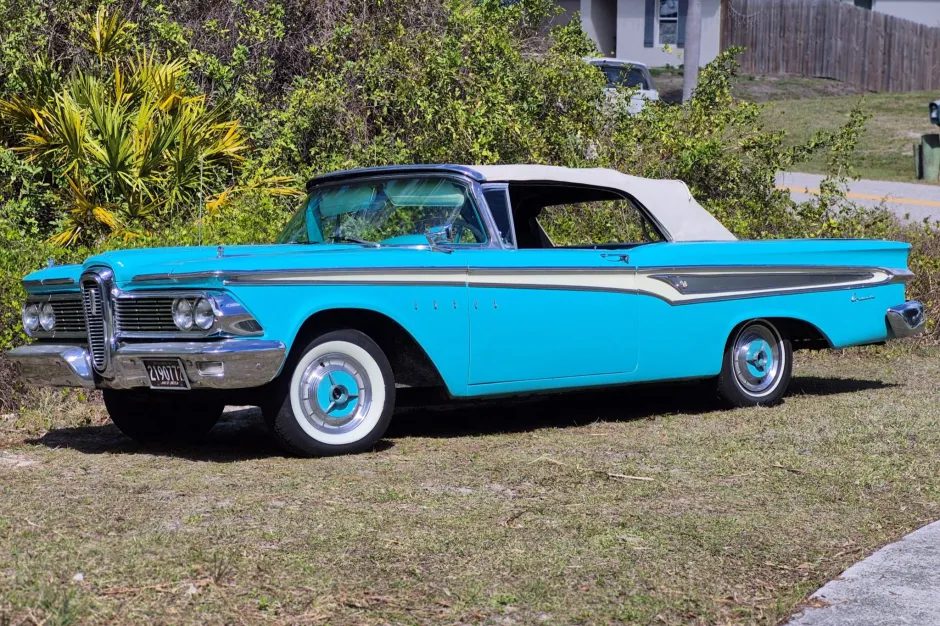
Ford’s $250 million lesson in reading the room.
Ford threw a staggering $250 million—over $2 billion today—at the Edsel project, aiming to dominate the mid-price car market. The Ranger model boasted a 361 cubic inch V8 engine pumping out 303 horsepower, a quirky Teletouch transmission controlled via buttons on the steering wheel, and tipped the scales at around 3,800 pounds. Unfortunately, its most memorable feature was a vertical grille that critics found about as appealing as a bad case of static cling.
Ford Edsel (1958-1960) (Interior)
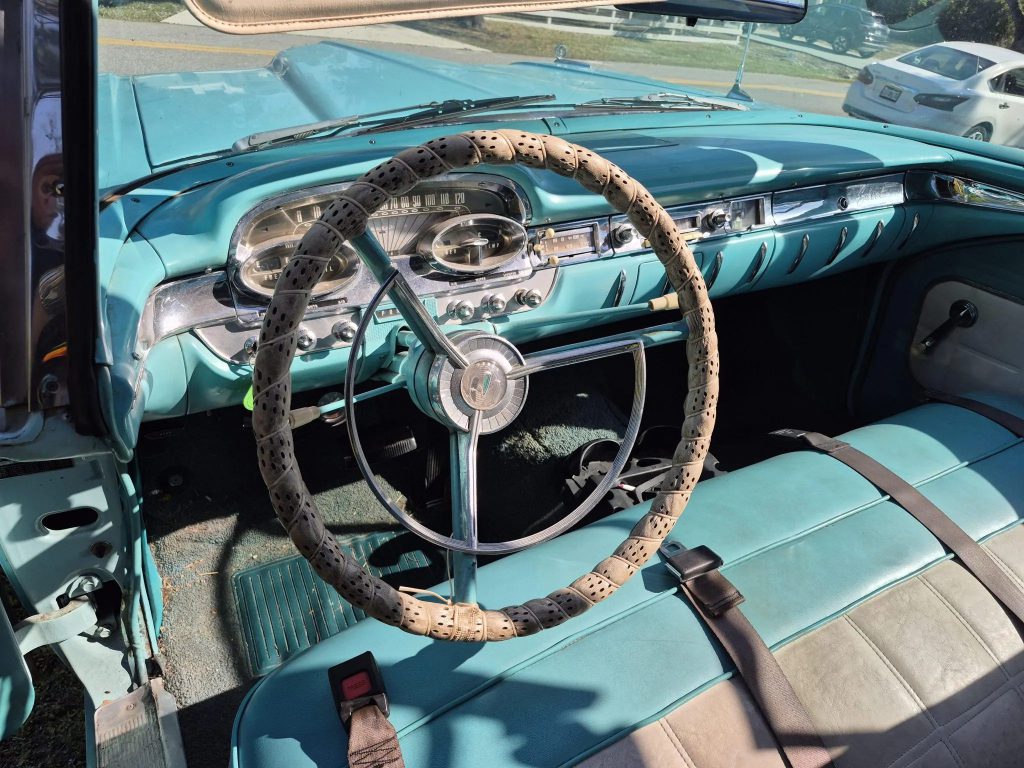
Beyond the controversial looks, the Edsel was a mechanical dumpster fire. Transmissions decided to retire early, oil leaks became standard features, and the paint seemed to have a mind of its own, peeling off within months. Ford predicted 200,000 sales in its first year, but only moved about 65,000 units. After just three model years, the Edsel left Ford holding a bill in the hundreds of millions and a legendary cautionary tale for business schools everywhere.
8. Chevrolet El Camino (1959-1960) (Exterior)
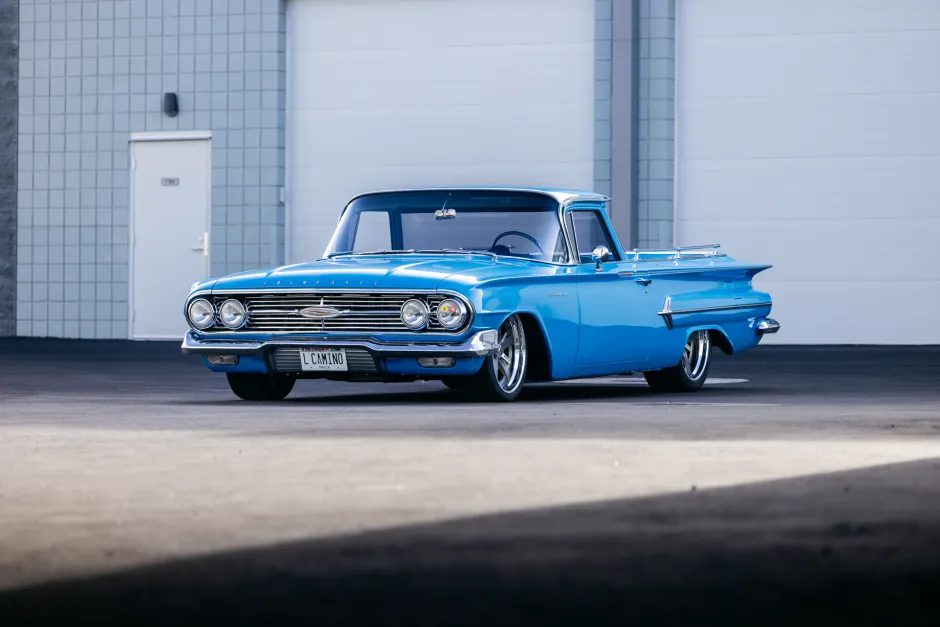
The car-truck hybrid that mastered neither identity.
Attempting to be both a car and a truck, the first-generation Chevrolet El Camino ended up being neither, which is a bit like trying to be the cool aunt and stern accountant at the same time. Built on the full-size Impala platform, this ambitious hybrid boasted power options from a modest 235 cubic inch I6 all the way up to a roaring 348 cubic inch V8 churning out 315 horsepower. Yet, its 77-inch bed was comically short for any serious hauling, alienating truck buyers who needed practicality.
Chevrolet El Camino (1959-1960) (Interior)
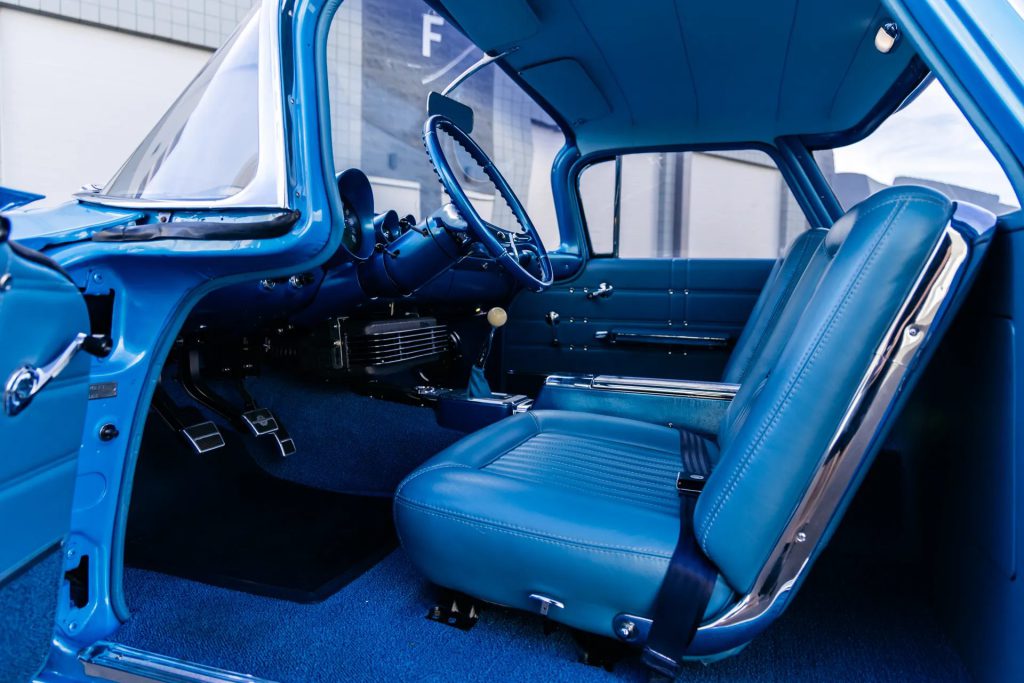
Car shoppers found it too heavy and awkward for daily use, while those needing a workhorse found it too much of a poser. This identity crisis on wheels only managed to shift 22,246 units over two years before Chevrolet wisely hit the brakes. It serves as a reminder that trying to be everything to everyone often results in being a master of none.
7. Packard Clipper (1957-1958) (Exterior)
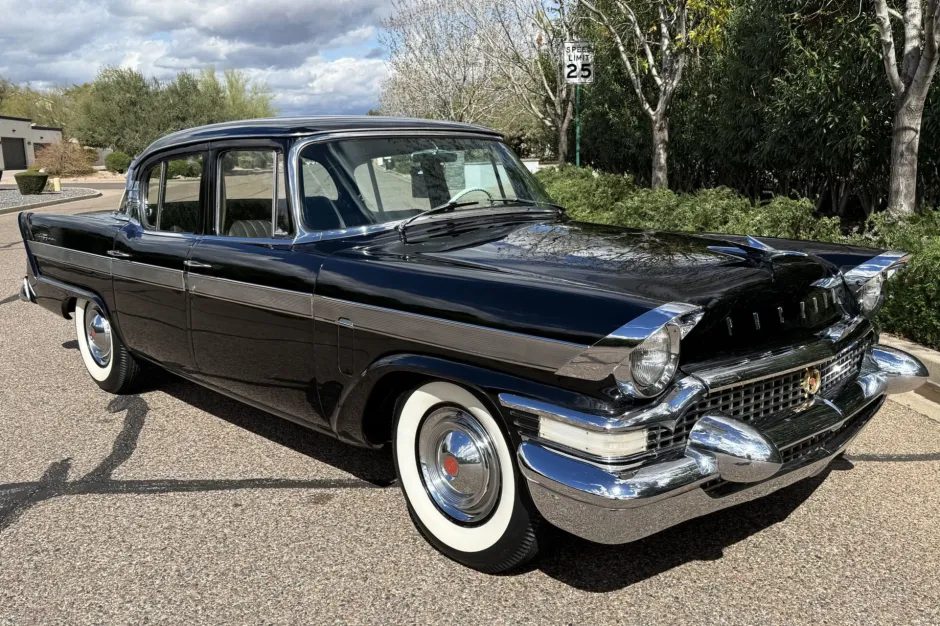
The luxury legend’s swan song that nobody wanted to hear.
Only about 4,800 Packard Clippers rolled off the assembly line in 1957, a number that sounds less like a car production run and more like the quiet sigh of a dying brand. After the merger with Studebaker, the iconic Packard name was slapped onto a Studebaker President, like putting a fancy sticker on a plain box. Loyalists expected luxury, but instead got confused styling, a distinct lack of quiet refinement, and build quality that made anyone wonder if the factory workers were just guessing.
Packard Clipper (1957-1958) (Interior)
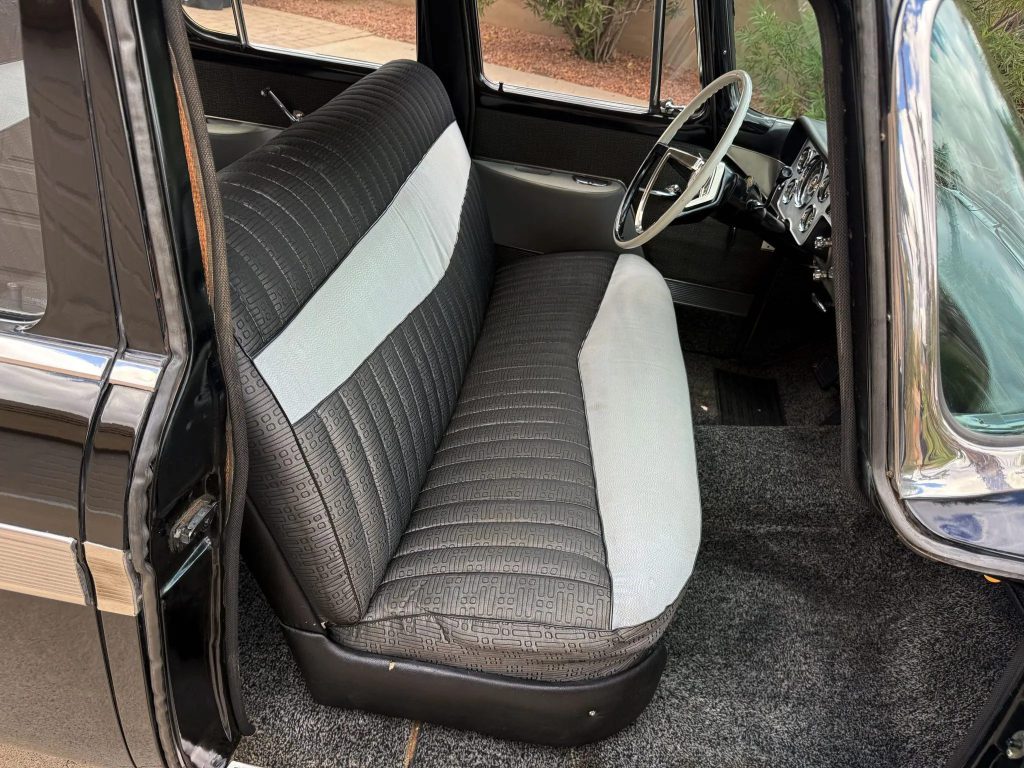
The automotive press didn’t hold back, rightfully calling these cars a fraud. It was the automotive equivalent of a great musician releasing an album of elevator music—heartbreaking and ultimately, the final nail in the coffin for the legendary Packard marque.
6. 1978 Oldsmobile Delta 88 Diesel (Exterior)
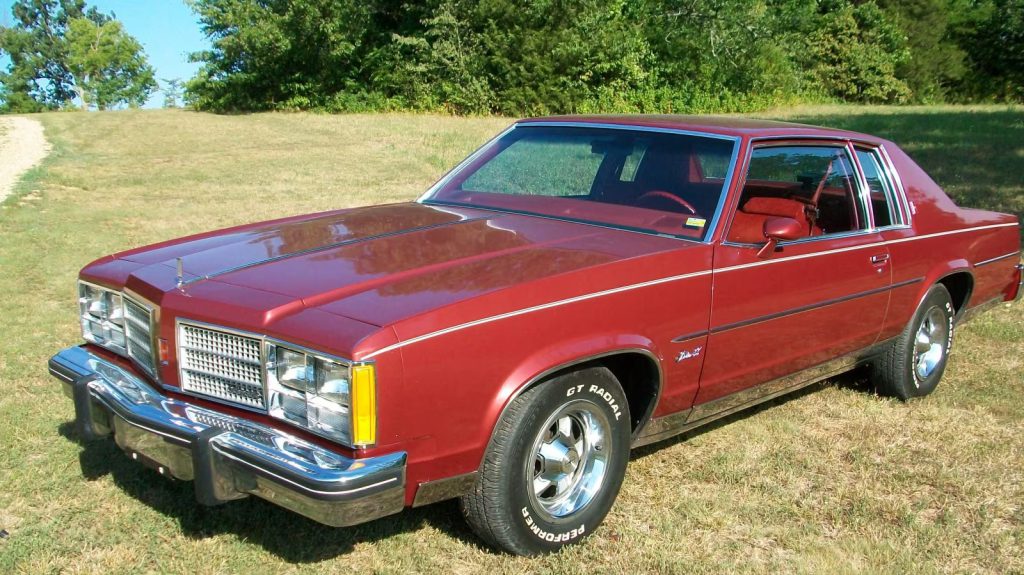
General Motors’ rushed diesel experiment that cost more than most mortgages.
General Motors’ attempt to shove a 350 cubic inch V8 diesel engine into the 1978 Oldsmobile Delta 88 was less a strategic move and more like trying to fit a square peg into a round hole with a hammer. The engine, based on a gasoline architecture, was rushed to market with inadequate headbolts, which couldn’t handle the diesel’s higher compression ratios. This led to frequent head gasket failures, often resulting in hydrolock—basically, the engine filling with fluid and seizing up.
1978 Oldsmobile Delta 88 Diesel (Interior)
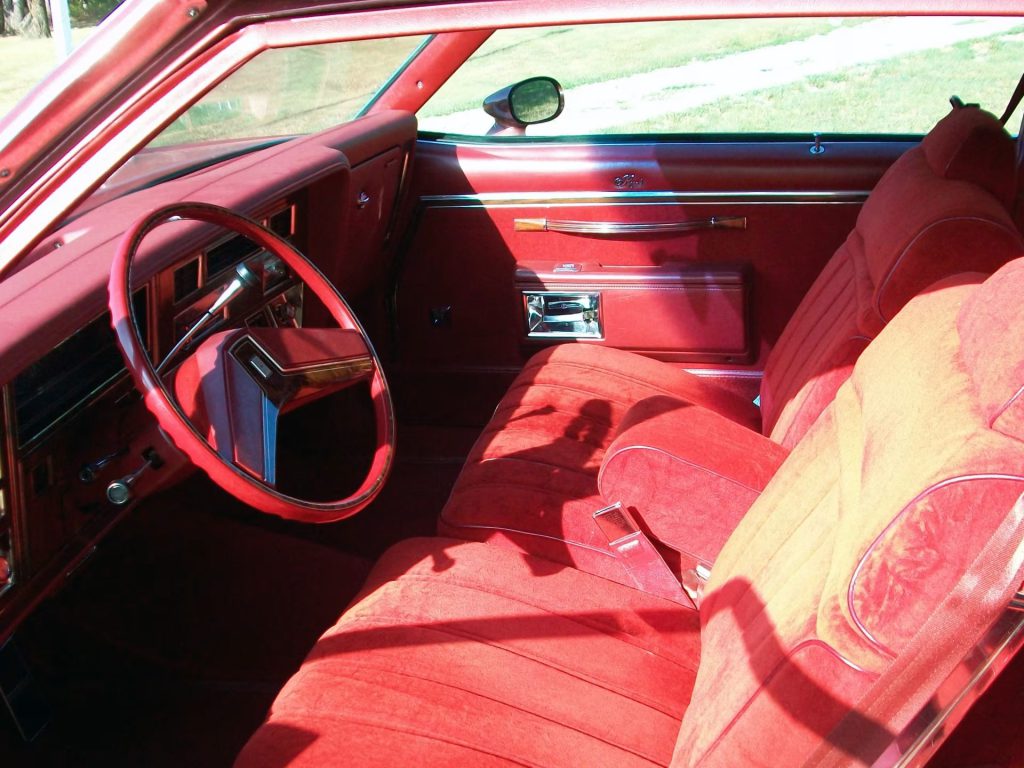
Critical components like water separators were omitted, causing widespread corrosion in the injection system. Stretched timing chains further degraded performance, producing excessive smoke and making starting the car feel like winning a lottery where the prize is just getting home. The repairs? Often exceeding $2,000 in the 1970s, making this diesel option a financial black hole for owners.
5. Ford Mustang II (1974-1978) (Exterior)
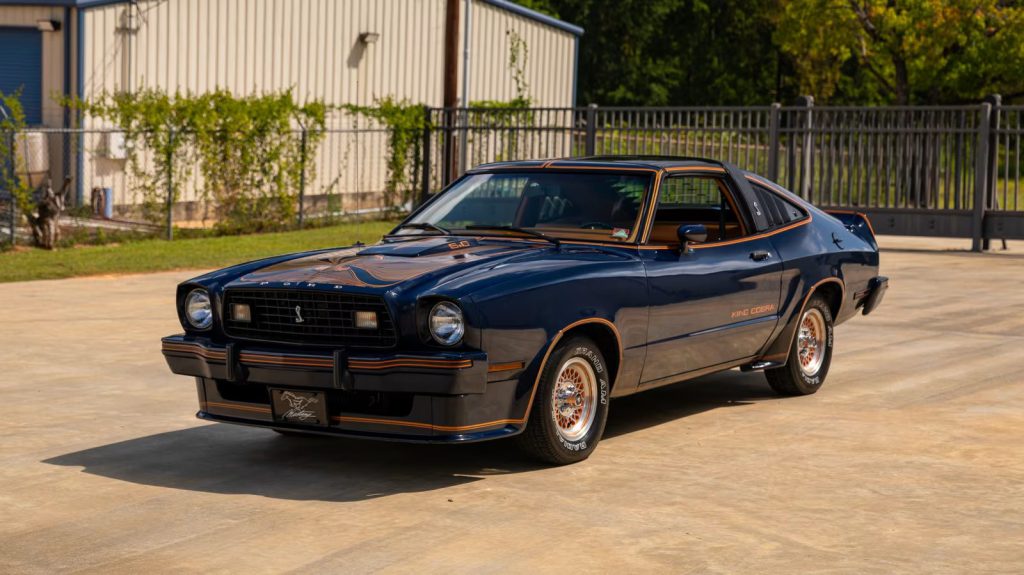
The pony car that forgot how to gallop.
The Ford Mustang II rolled out in 1974 on the same chassis as the humble Ford Pinto, a move that felt less like an upgrade and more like a betrayal to fans of the original muscle car. Its base 2.3-liter four-cylinder engine coughed out a mere 88 horsepower, and even the optional 3.8-liter V6 barely nudged the needle at 110 hp. The legendary V8 option, introduced in 1975, managed a pathetic 145 horsepower.
Ford Mustang II (1974-1978) (Interior)
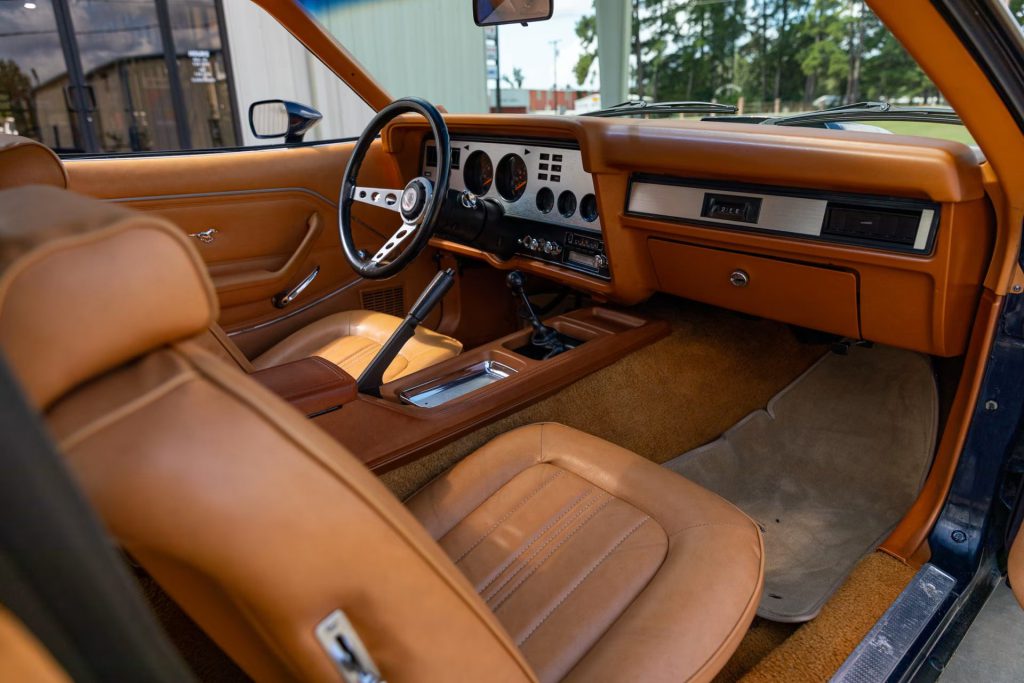
This setup meant that even an optimistic 0-60 mph time for a V8 model crept past 10 seconds. Handling was characterized by enough body roll to make drivers feel like they were in a bouncy castle and steering so vague it felt like trying to steer a ghost. Despite all this, it still managed to sell over a million units, somehow earning MotorTrend’s 1974 Car of the Year award—a decision that damaged the Mustang’s performance image for years.
4. Chevrolet Monza (1975-1980) (Exterior)
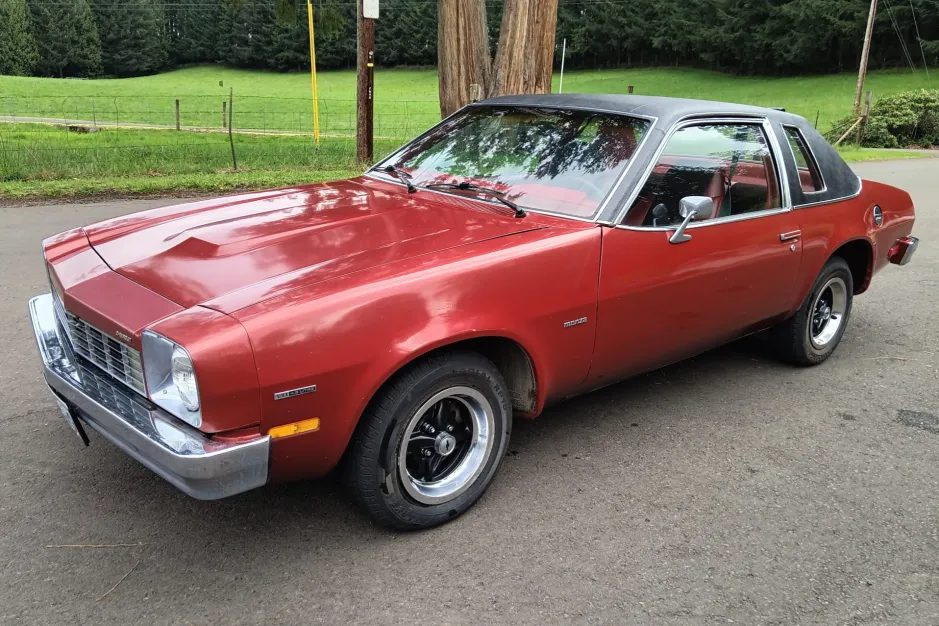
The sporty subcompact that required circus skills to maintain.
Changing the oil on a 1975 Chevrolet Monza V8 required the kind of contortions usually reserved for circus performers. Mechanics had to either pull the engine or jack it up precariously just to reach the rear spark plugs, a design choice that felt less like engineering and more like a practical joke. This car inherited the Chevrolet Vega’s appetite for rust, with corrosion showing up on the wheel arches and doors faster than anyone could say “lemon.”
Chevrolet Monza (1975-1980) (Interior)
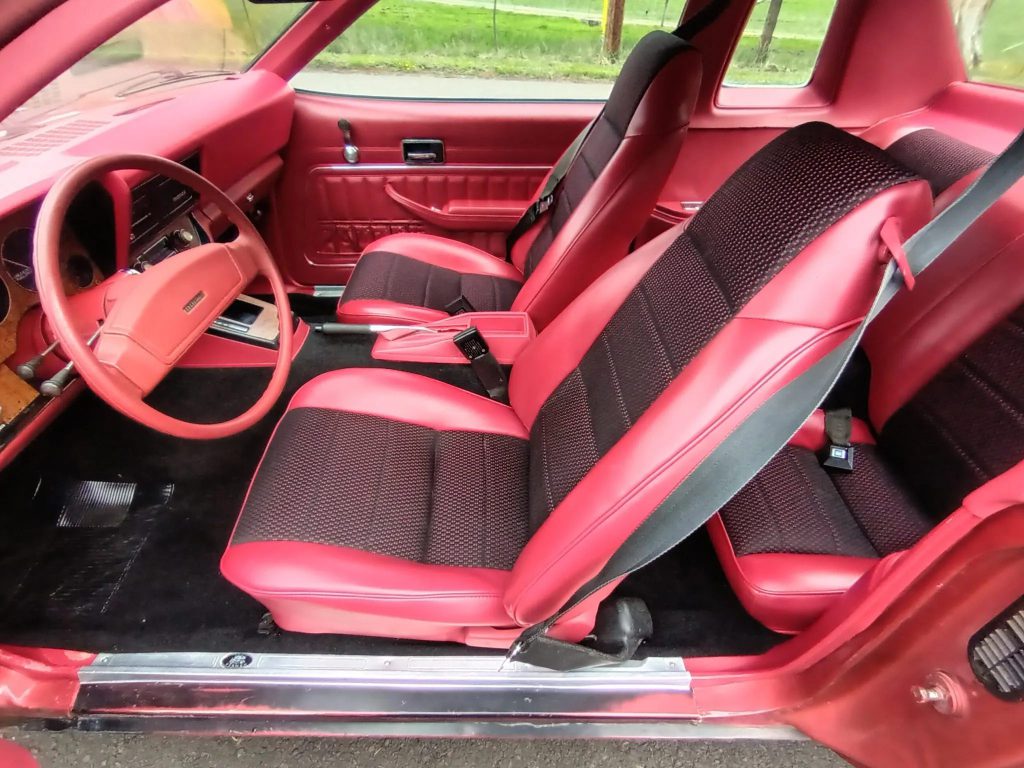
Even the handling was a dice roll, thanks to a tricky torque arm suspension that could bind up and make the car act like it had a mind of its own. The interior offered little solace, with cheap plastic trim and padding so thin drivers felt every bump like a personal affront.
3. Mercury Turnpike Cruiser (1957-1959) (Exterior)
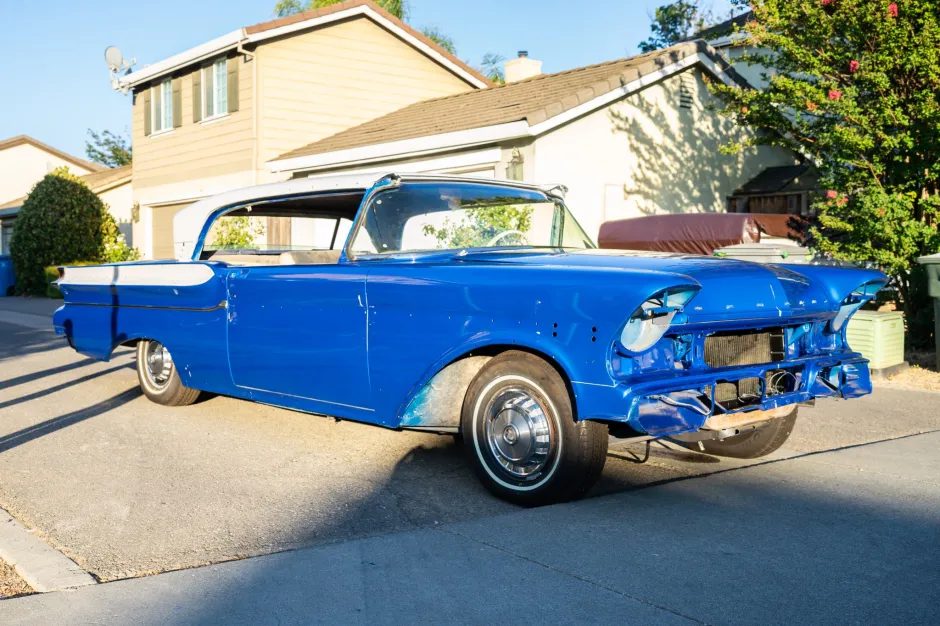
The highway cruiser with features too ambitious for their own good.
The Mercury Turnpike Cruiser, built for the era of open interstates, packed futuristic features that often buckled under their own ambition. Under its hood, a 368 cubic inch V8 engine churned out 290 horsepower, tasked with moving a behemoth that tipped the scales at over 4,200 lb. Its signature retractable rear window, meant to seal the cabin for smooth cruising, had a notorious habit of jamming, leading to expensive fixes.
Mercury Turnpike Cruiser (1957-1959) (Interior)
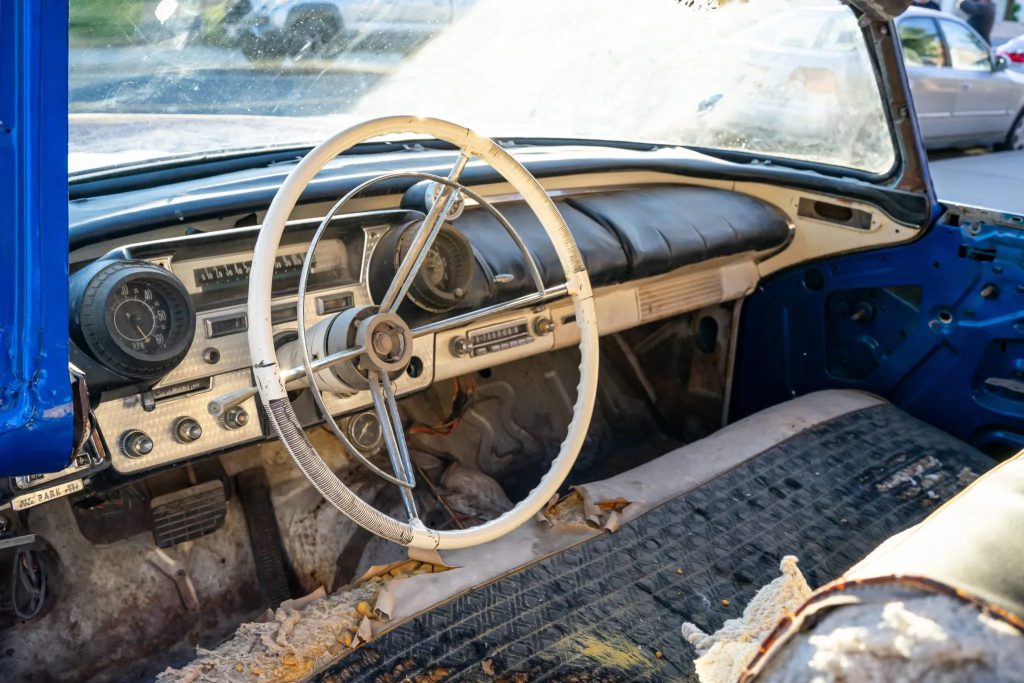
This car’s reverse-slant rear window also collected dirt like a magnet, creating visibility issues that made even simple lane changes feel like a gamble. The push-button transmission, a flashy nod to automotive progress, frequently malfunctioned, leaving drivers stranded. These ambitious systems, intended to symbolize forward-thinking design, instead delivered a masterclass in mechanical frustration.
2. Ford Pinto (1971-1980) (Exterior)
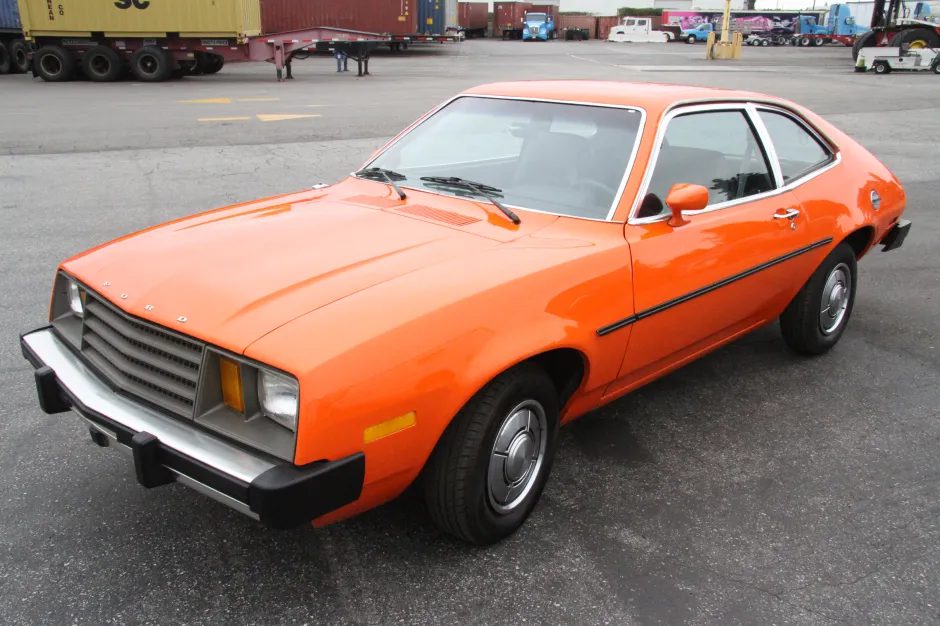
The subcompact that turned rear-end collisions into a game of automotive roulette.
Ford’s decision to place the Pinto’s fuel tank behind the rear axle, with minimal protection, turned a subcompact car into a rolling fire hazard. In rear-end collisions exceeding 25 mph, this tank was prone to rupturing and igniting, a catastrophic flaw Ford internally calculated was cheaper to fix via lawsuits than by redesigning the system. That cost-benefit analysis remains a stark symbol of corporate malfeasance.
Ford Pinto (1971-1980) (Interior)
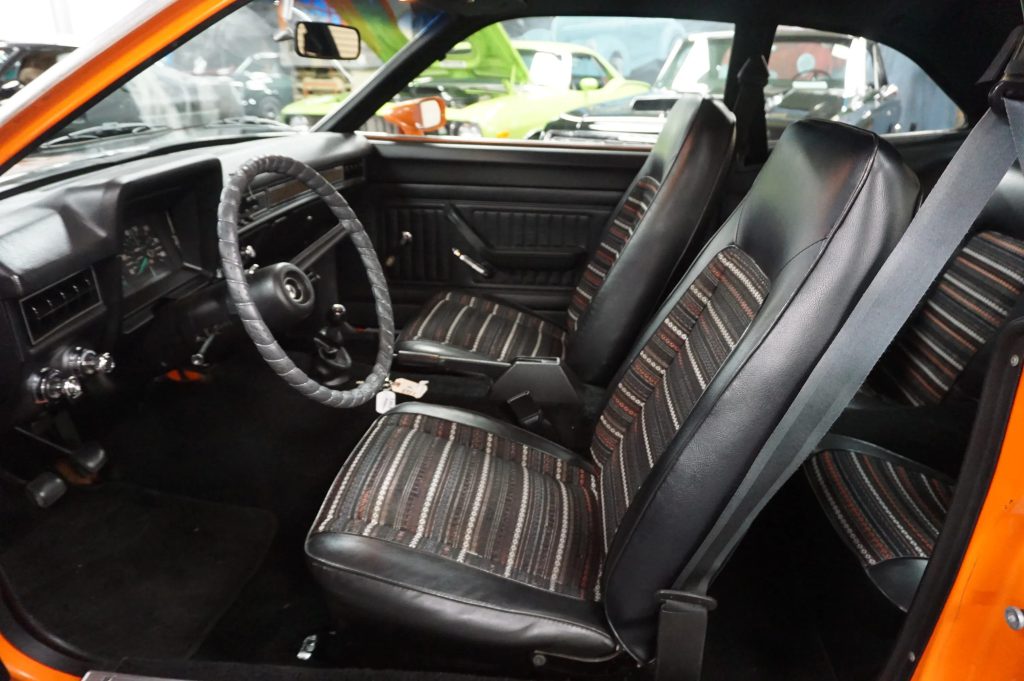
Beyond its lethal safety flaw, the Pinto quickly earned its reputation as a cheap date. Rattles and squeaks developed within two years, with rust appearing almost as fast, especially on the hatchback models. Add in mediocre handling and a choppy ride, and drivers had a vehicle that embodies a specific brand of automotive regret.
1. Chrysler Windsor (1957-1958) (Exterior)
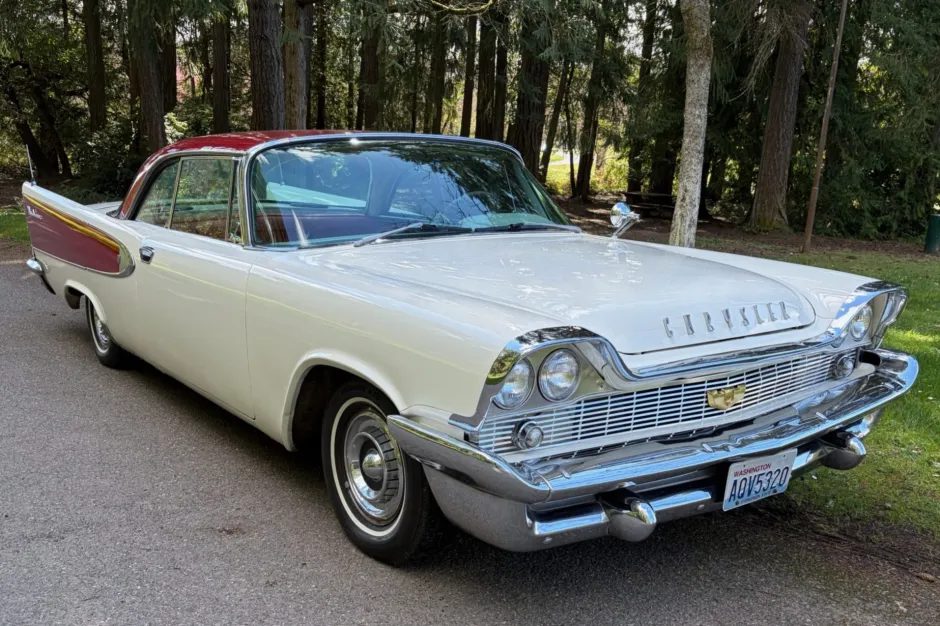
The Forward Look car that moved backward in quality.
Consumer Reports dropped a bombshell in 1957, refusing to recommend any Chrysler models. This unprecedented move highlighted just how bad things had gotten for the brand, and the Windsor was no exception. While its “Forward Look” styling with those wild tailfins looked like it was doing 100 mph just sitting still, the rushed production meant quality control was apparently on a coffee break.
Chrysler Windsor (1957-1958) (Interior)
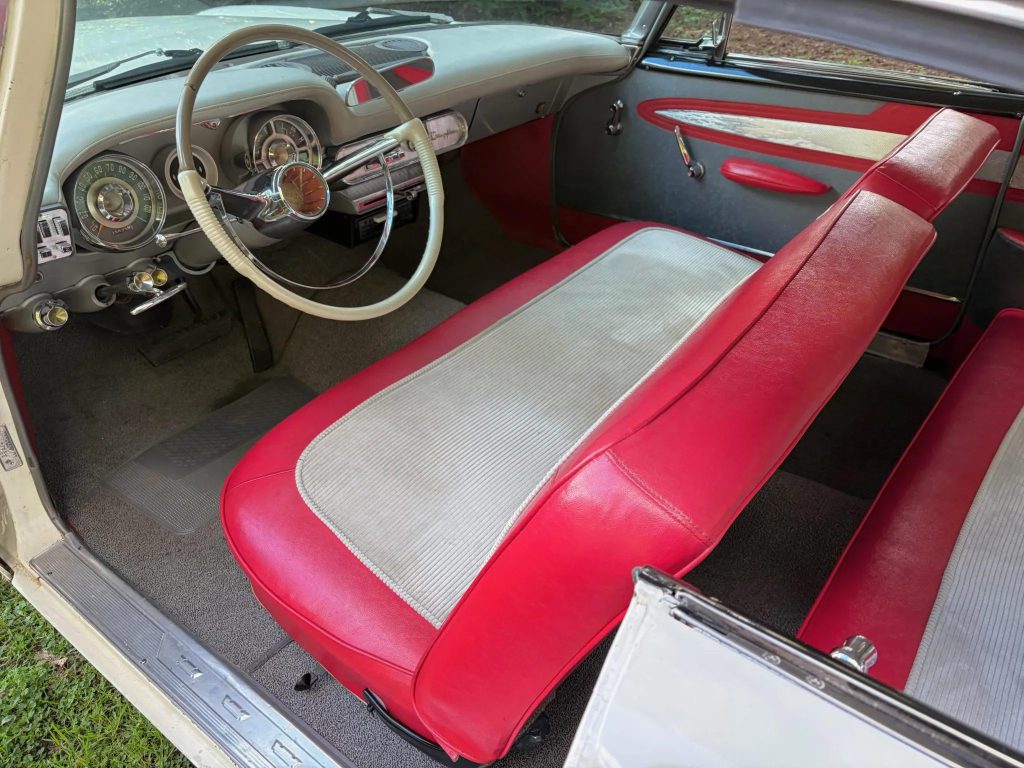
Rust was so rampant that panels began showing wear within a year, and the innovative unibody construction started groaning and leaking like a sieve. Electrical gremlins were standard, the torsion bar suspension was as reliable as a politician’s promise, and the paint quality made the cars look ancient after a single season. Chrome pitted faster than a celebrity on a Reddit thread, and the whole package just screamed “style over substance.”