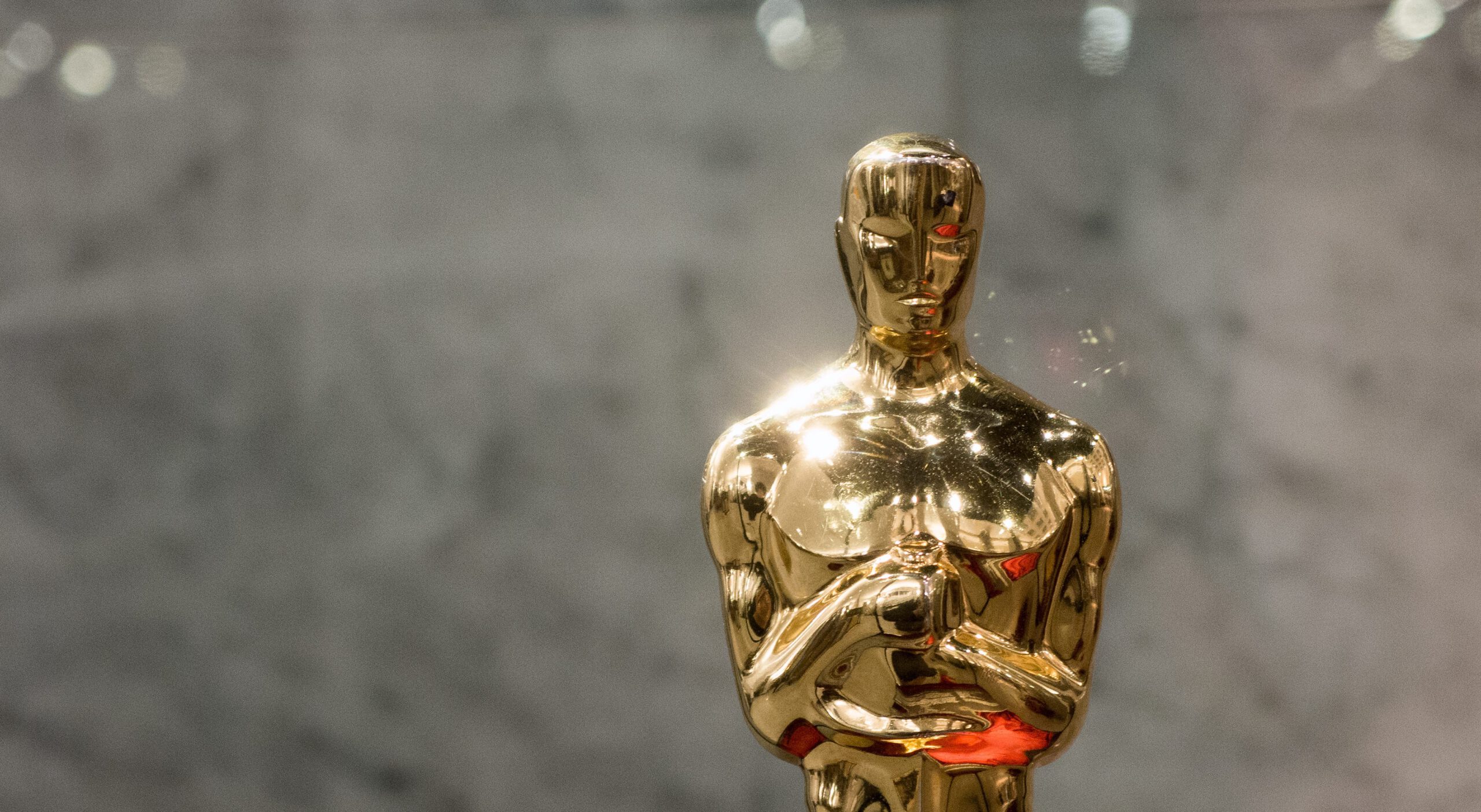
The Academy of Motion Picture Arts and Sciences just fired a warning shot across Hollywood’s digital bow. While specific details about the 99th Academy Awards rules remain unclear, reports suggest the Academy is considering explicit restrictions on AI-generated performances in acting categories, alongside a major overhaul of international film submissions. Think of it as Hollywood’s establishment grappling with the same authenticity questions plaguing your social media feeds—except this time, the stakes involve golden statues.
Digital Performance Restrictions Under Review
The Academy appears ready to draw boundaries around what constitutes authentic human performance.
Industry sources suggest the organization is evaluating whether digital actors—deepfaked versions of real people or entirely synthetic characters—should qualify for acting nominations. This isn’t just about keeping robots out of the Best Actor race. You’re witnessing an industry wrestling with authenticity in an era where every TikTok filter makes you question what’s real.
The timing feels deliberate. Studios already experiment with digital resurrection of deceased actors, and AI voice synthesis has become a mainstream practice. Academic studies confirm films like “The Irishman” deployed deepfake technology for performances, raising questions about where human artistry ends and artificial enhancement begins.
International Category Restructuring in Progress
Submission processes may receive their most significant changes in decades.
The International Feature Film category reportedly faces major structural modifications, though the Academy hasn’t clarified specific implementation details. Early discussions suggest streamlined processes for countries previously locked out by bureaucratic barriers. This could mean more diverse voices reaching your local theater—assuming the changes actually democratize access rather than create new gatekeeping mechanisms.
Whether these modifications address long-standing complaints about bias toward European cinema or simply reorganize existing frameworks remains unclear.
Cultural Stakes Beyond Awards Season
These potential changes reflect deeper anxieties about artistic authenticity questions in an AI-saturated world.
Every time you watch a movie now, you’re subconsciously questioning whether that explosion was real, that performance genuine, or that accent artificially enhanced. Critical concerns about consent and digital likeness have emerged as deepfake technology enables the digital resurrection of actors, raising serious ethical and legal questions about exploitation.
The Academy’s deliberations represent more than policy adjustments—they’re cultural statements about preserving human creativity as technology makes that distinction increasingly blurry. Whether these potential guardrails protect artistic integrity or simply delay inevitable technological integration remains the million-dollar question extending far beyond Hollywood’s golden statues.