Your morning coffee run could theoretically make you a robbery suspect. That’s the unsettling reality behind a Supreme Court case involving Okello Chatrie, who robbed Call Federal Credit Union in Virginia during May 2019 and got caught because his phone betrayed his location. Police didn’t start with Chatrie as a suspect—they asked Google for every device near the crime scene, then worked backward to identify him.
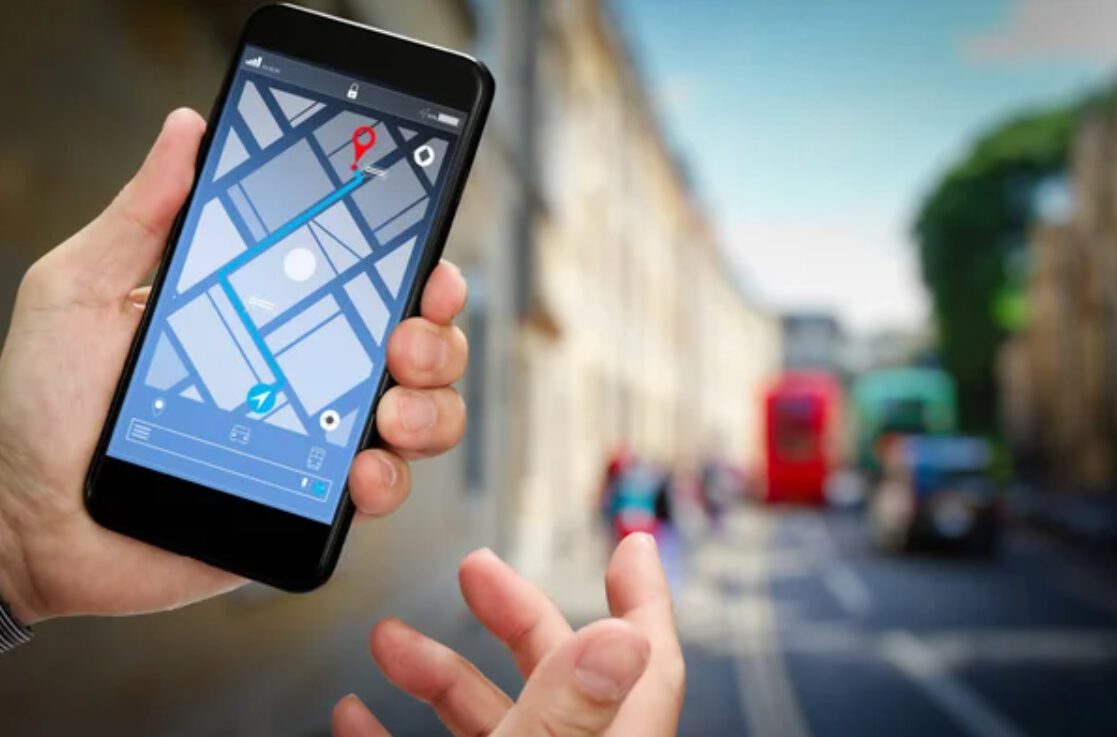
This “geofence warrant” flipped traditional policing on its head. Instead of targeting specific suspects, investigators cast a digital net around the credit union, requesting location data for any phone within roughly 150 meters during the robbery timeframe. Your phone’s Google Location History, which you probably enabled for better Maps recommendations, becomes evidence in this scenario. The technique captured Chatrie among a handful of devices, leading to his identification and subsequent arrest.
The legal battle centers on whether these location dragnets are unconstitutional “general warrants”—the kind of broad fishing expeditions the Fourth Amendment was designed to prevent. According to court filings, prosecutors argue you forfeit privacy expectations when sharing location data with Google. Defense attorneys counter that geofences violate constitutional protections by surveilling innocent people first, then hunting for crimes later.
Federal courts can’t agree on the rules. The Fifth Circuit held that “the Fourth Amendment does not countenance geofence warrants at all,” calling them unconstitutional overreach. The Fourth Circuit allowed Chatrie’s conviction to stand, ruling that geofence warrants “involve no Fourth Amendment search,” creating the split that forced Supreme Court intervention.
This technique has spread far beyond bank robberies. Geofence warrants helped identify:
- January 6 Capitol rioters
- Cold case solutions where security cameras failed
- Pipe bomb suspects
Law enforcement celebrates these tools for cracking previously unsolvable crimes. Privacy advocates warn about fishing expeditions that could ensnare anyone unlucky enough to be nearby during criminal activity—churchgoers, joggers, or drivers stuck in traffic.
The case builds on 2018’s Carpenter decision, which required warrants for long-term cell tower tracking, recognizing that phones create an “exhaustive chronicle” of our movements. The ruling could reshape both police investigations and your digital privacy choices. A decision favoring law enforcement might normalize location sweeps for routine crimes. Striking down geofence warrants could force police back to traditional investigative methods while prompting tech companies to strengthen location privacy defaults.