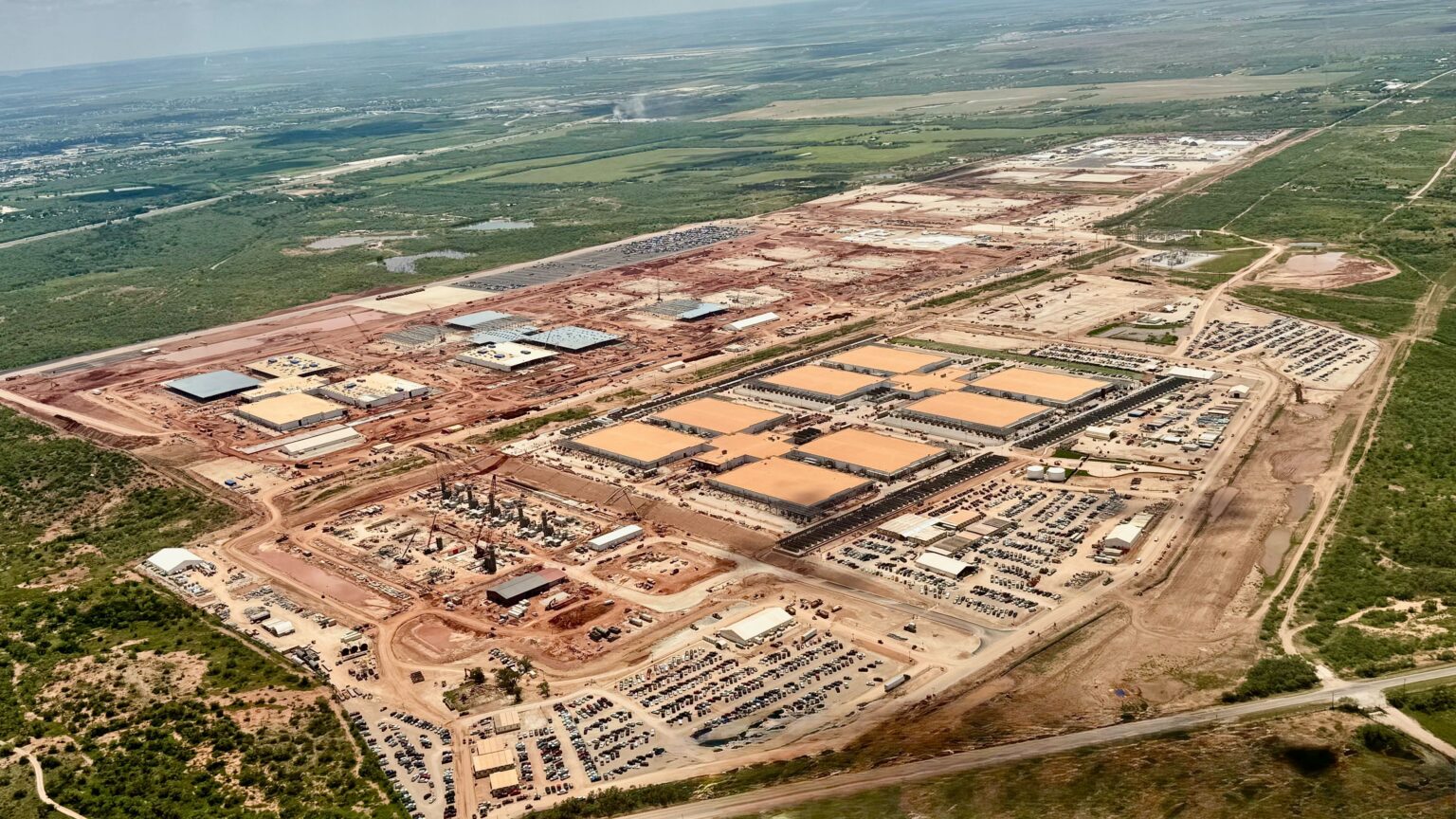
Gene Lantrip has been building custom homes in Abilene for decades. Now the 69-year-old president of the Texas Association of Builders watches his construction timelines stretch two months longer than before. The culprit isn’t supply chain delays or permit issues—it’s data centers offering his electricians double their wages. When your lead electrician loses two foremen and several helpers to data center projects, your carefully planned schedules collapse like a house of cards.
The math is brutal and simple. Data centers pay electricians $35 per hour plus overtime and per diem benefits. Residential contractors like Lantrip can manage $20 per hour, maybe $25 on a good day. Scotty Wristen, who owns WE Electric in Abilene, lost workers he’d trained for eight years. “I don’t blame them,” Wristen says, acknowledging that families come first. He’s now hiring teenagers with zero experience, enduring “four or five months of hell” while they learn the trade through expensive mistakes.
This isn’t just Abilene’s problem. Texas faces a structural mismatch that would frustrate any workforce planner. The U.S. data center industry faces approximately 340,000 unfilled positions by 2026, while the Bureau of Labor Statistics projects only 81,000 electrician openings annually through 2034. Microsoft’s Brad Smith calls the electrician shortage “the No. 1 problem slowing their data center expansion,” with some workers commuting 75 miles each way just to fill positions. Oracle shifted construction completion dates from 2027 to 2028 due partly to labor shortages, though the company disputed this characterization and stated its projects remain “on schedule and on plan.”
Texas is scrambling with solutions that feel like bringing a screwdriver to a construction site. Since November 2025, the state now accepts electrician licenses from Iowa, Alabama, and Arkansas without requiring workers to restart certification processes. Texas State Technical College is expanding training programs and advertising higher wages at job fairs. These efforts might help by 2028—if workers stick around instead of chasing the next wage premium.
The irony cuts deep: Texas is simultaneously trying to house 2.6 million new residents while building the AI infrastructure that supposedly serves them. Both require the same skilled workers, but only one offers wages that let electricians actually afford the homes they’re not building.
Housing construction delays mean higher costs for everyone, while data centers reshape entire communities around their power demands. You’re watching a real-time experiment in economic priorities, where artificial intelligence infrastructure competes directly with human shelter needs. The question isn’t whether Texas will solve this puzzle—it’s which critical infrastructure will suffer while they try.