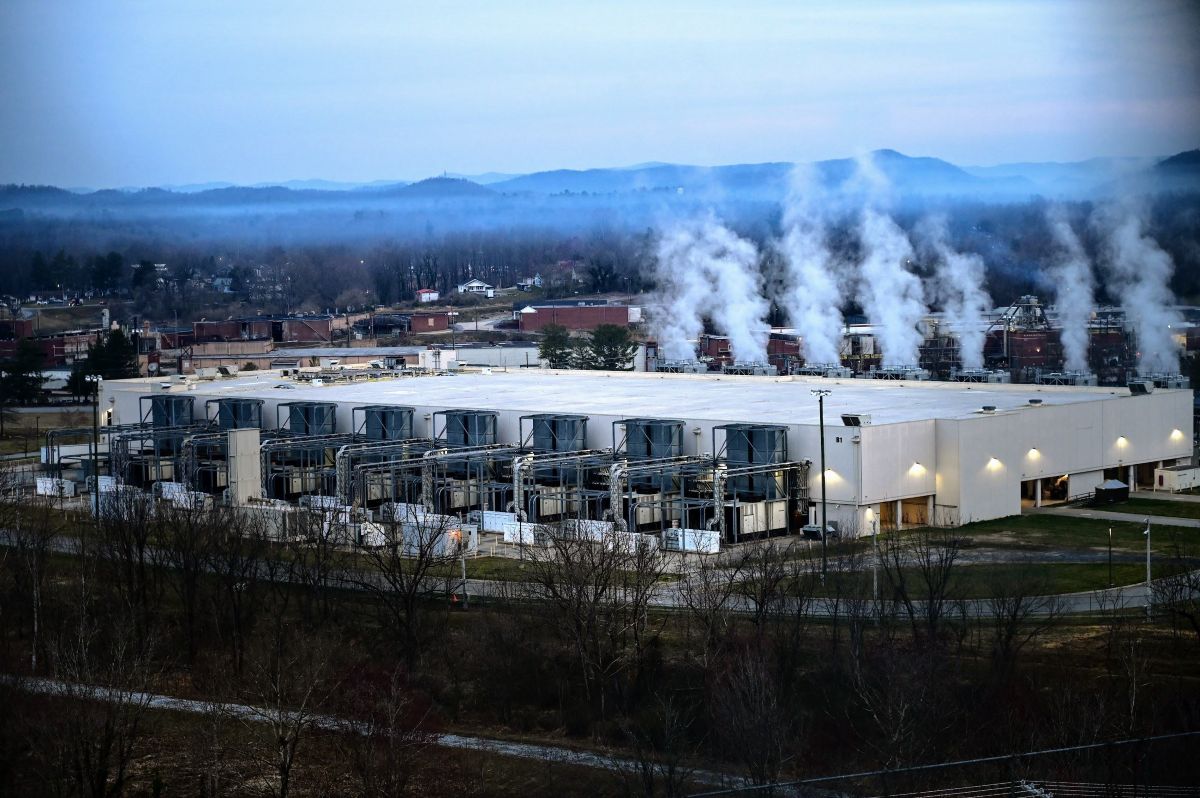
Your summer electric bill keeps climbing, and now researchers know one reason why. A new University of Cambridge study analyzing satellite data from 2004 to 2024 found that AI-focused data centers create significant heat islands, raising local land surface temperatures an average of 3.6 degrees Fahrenheit.
The worst hot spots spike up to 16 degrees higher than surrounding areas, with effects extending up to six miles from facilities. The findings arrive as North Carolina hosts over 40 operating data centers with dozens more planned.
Duke Energy projects the state’s capacity could double from 3 gigawatts to 6 gigawatts within a decade—enough to power millions of homes but also enough to strain the grid by summer 2026.
Local Pushback Grows Amid Expansion
Communities implement moratoriums over quality-of-life concerns despite economic promises.
- Orange County
- Apex
- Wendell
- Chatham County
have all paused or restricted data center development over infrastructure, noise, and livability issues. The resistance comes despite major economic promises like Amazon’s $10 billion, 20-building campus in Richmond County—the largest economic development project in state history.
Raleigh already sees urban heat islands pushing some areas 20 degrees hotter than tree-covered zones. Data centers add another layer of heat through massive electricity demands for servers and cooling systems, creating what Cambridge researchers call a “non-negligible and rather remarkable impact” on local regions.
Global Scale Meets Local Stakes
Over 340 million people worldwide could face elevated temperatures near expanding facilities.
The study estimates that AI infrastructure expansion could affect hundreds of millions globally, but North Carolina residents face immediate concerns. Higher ambient temperatures mean increased cooling costs, potential health risks during heat waves, and strain on electrical infrastructure already pushed to capacity.
While the research awaits peer review and measures land rather than air temperatures, the implications for communities like those around Amazon’s Richmond facility are clear. The economic benefits include jobs and tax revenue, but they come with measurably hotter summers in a state where climate change already extends sweltering seasons.
The Cambridge findings suggest that as AI continues its breakneck expansion, communities will need to weigh economic opportunities against environmental costs that extend far beyond individual facilities.