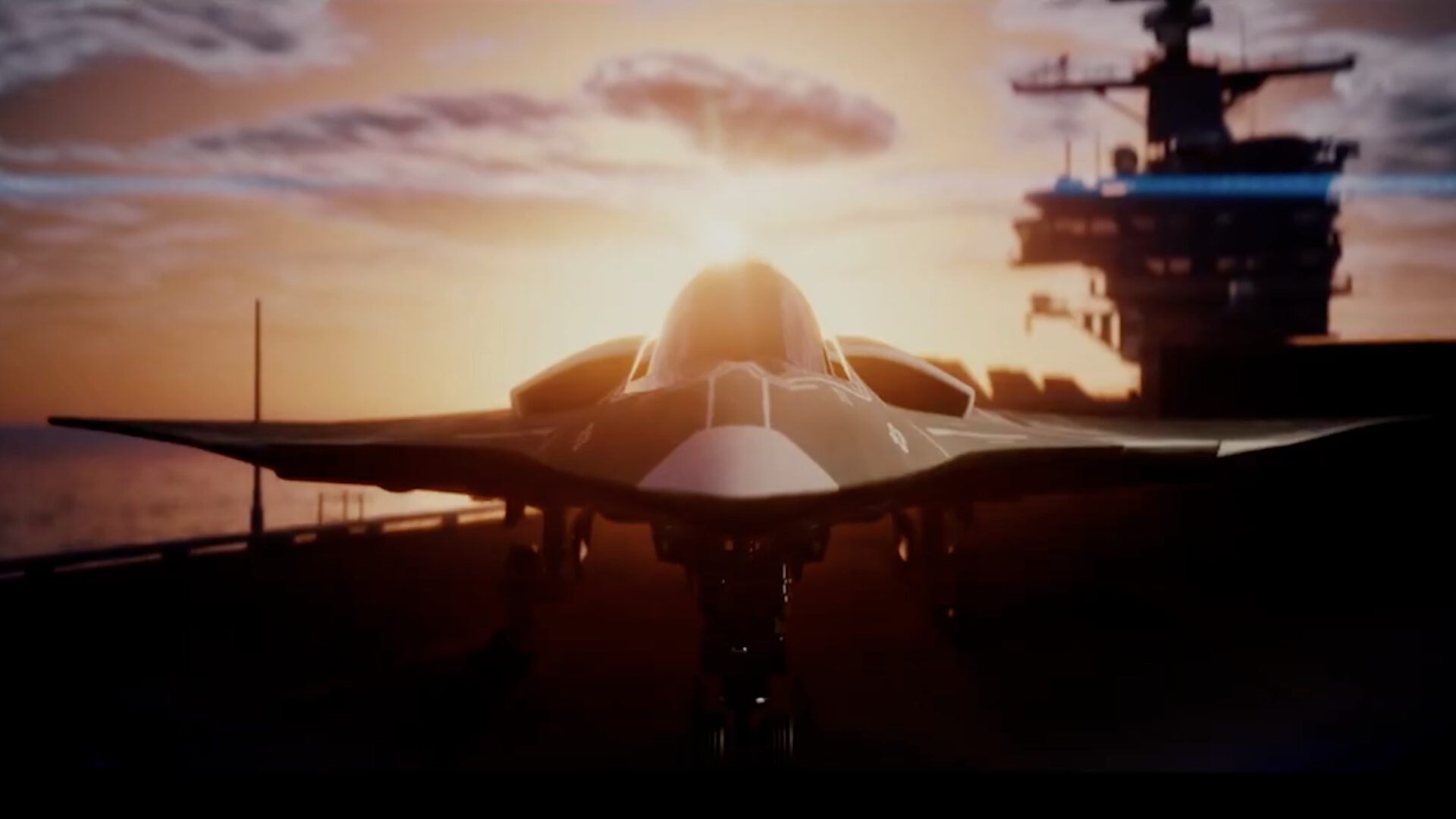
Northrop Grumman just released the most detailed look yet at its F/A-XX concept—and the timing screams strategic positioning. The defense giant dropped a slick teaser video on X showing their tailless sixth-generation naval fighter in motion, complete with panning shots and head-on views that make previous static renders look like napkin sketches.
The Design That Could Rule Carrier Decks
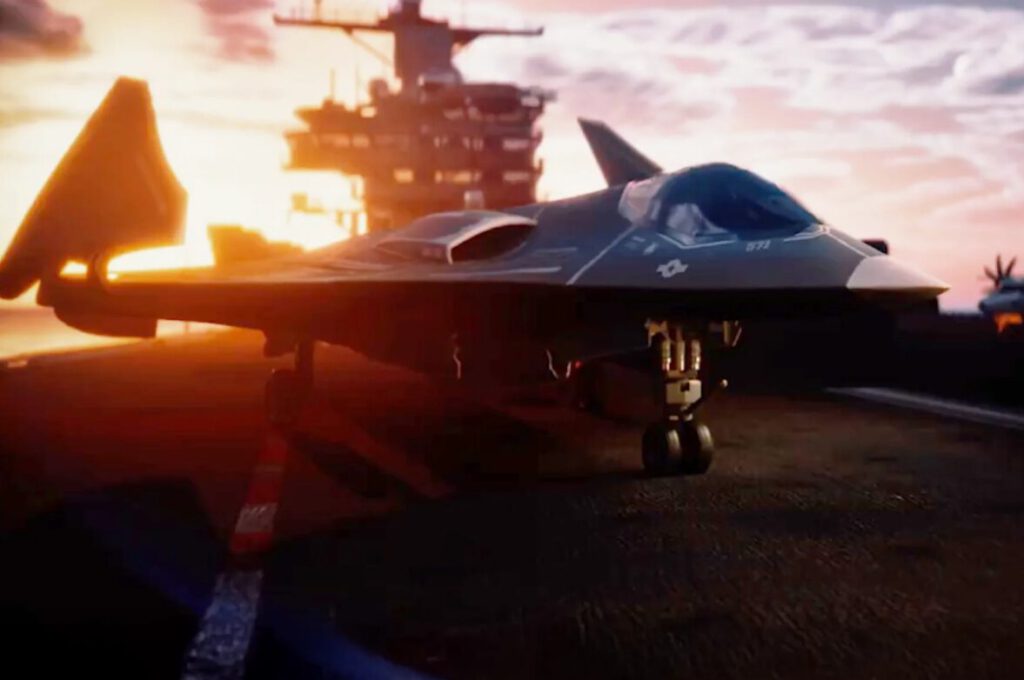
Northrop’s concept balances cutting-edge stealth with the brutal physics of carrier operations.
The video reveals a compact, angular beast designed for one mission: surviving in contested airspace while launching from a pitching carrier deck. Those rear-mounted dorsal inlets aren’t just for looks—they hide engine signatures from below while the cranked, foldable wings maximize stealth without breaking the carrier’s deck space budget.
Internal weapons bays curve inward like something from a sci-fi film, because external pylons are basically “shoot me” signs in modern warfare.
August Deadline Drives Competition Heat
The Navy’s timeline puts massive pressure on both Northrop and Boeing to impress.
Chief of Naval Operations Admiral Daryl Caudle confirmed the Boeing versus Northrop downselect happens by August 2026—making this video release feel less like marketing and more like a final pitch.
Rear Admiral Michael “Buzz” Donnelly made the stakes clear: “Increased range is an essential attribute… over 125 percent of the range that we’re seeing today.” That translates to roughly 1,250 nautical miles of combat radius, turning Super Hornets into short-range interceptors by comparison.
Beyond Top Gun: AI Wingmen and Smart Warfare
This fighter coordinates with unmanned systems like a quarterback calling plays.
The F/A-XX isn’t just about replacing aging Super Hornets—it’s the command center for a robotic air wing. Picture “man-on-the-loop” operations where pilots orchestrate swarms of collaborative combat aircraft and MQ-25 tankers, expanding carrier strike range from 8 million to 11 million square miles.
That’s like turning your smartphone into mission control for an entire fleet of drones.
The video’s proportions look deliberately stylized—likely intentional obscuration to keep real specifications classified. But the core message lands clearly: Northrop wants this contract badly enough to show their hand four months before decision day. Whether their tailless gamble beats Boeing’s competing design could reshape naval aviation for the next three decades.