Evolution usually means progress, right? Not always in the automotive world. Sometimes, the next generation of a beloved car turns out to be a total step backward, a disappointment wrapped in a new chassis. These seven vehicles went from being benchmarks of performance, quality, or identity to cautionary tales that traded their mojo for something distinctly less impressive.
6. Honda Civic Type R (FN2) (Exterior)
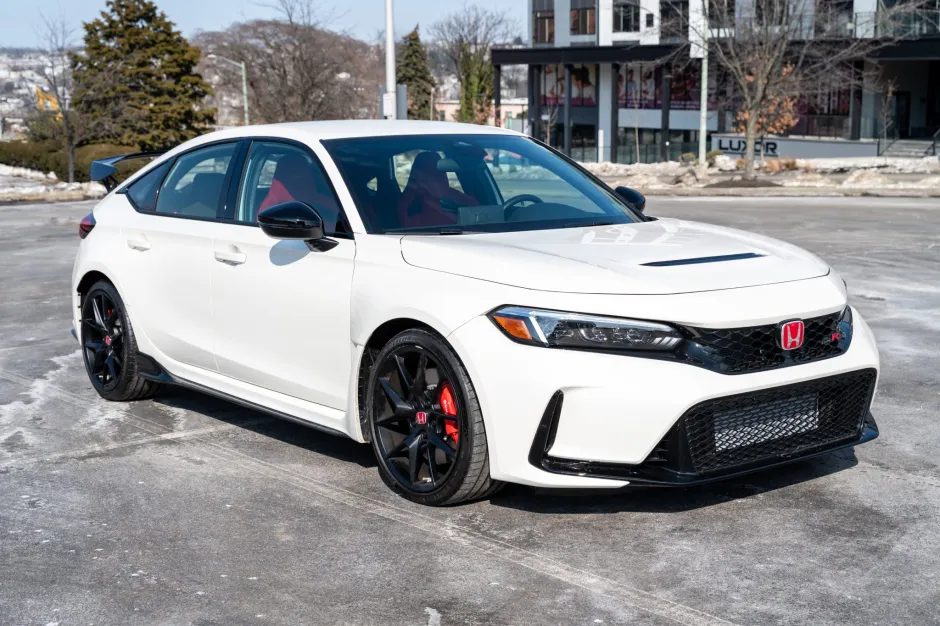
The hot hatch that forgot how to be hot.
While the legend of the Civic Type R is undeniable, the FN2 generation landed like a deflated soufflé. It added tech and space, sure, but also packed on weight. To compensate for that extra heft, Honda squeezed a whole 1 extra horsepower out of the engine, nudging it from 200 to 201. That’s less an upgrade and more a polite suggestion.
Honda Civic Type R (FN2) (Interior)
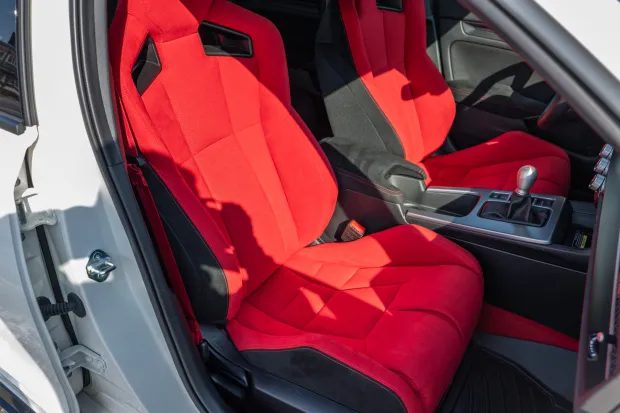
The biggest offense? Trading the precise, double-wishbone suspension for a torsion beam setup. This made the ride stiff enough to rattle your fillings while delivering worse track performance than its predecessor. Plus, that awkward trunk-mounted rearview mirror was about as effective as trying to see the road through a mail slot.
5. Mercedes-Benz W124 and Successor E-Class (Exterior)
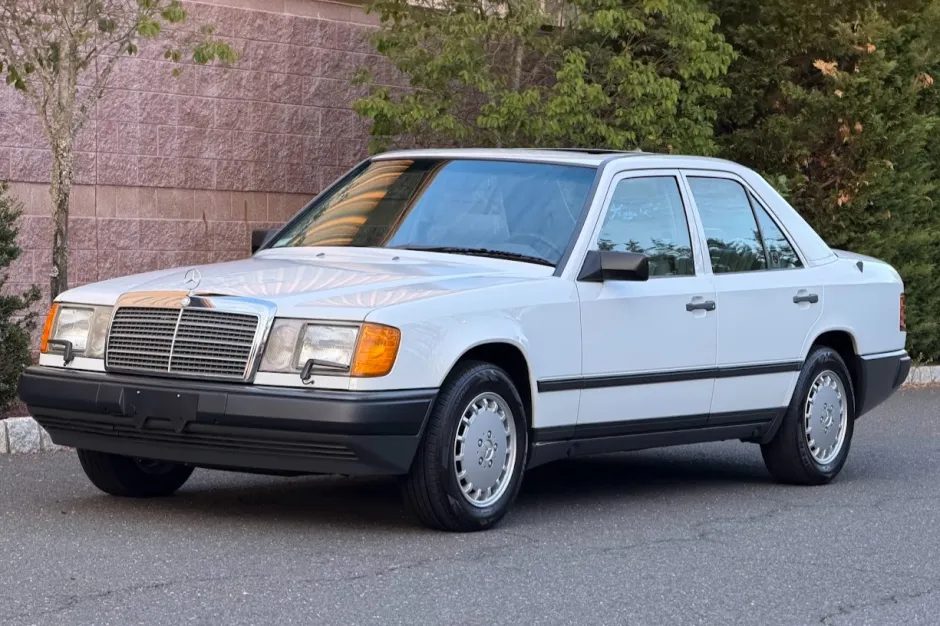
From tank-like durability to electrical chaos.
The Mercedes-Benz W124 generation was built like a tank designed by a Swiss watchmaker. Its legendary single-blade wiper system, rock-solid chassis, and virtually indestructible engine were testaments to over-engineered durability. Then came the successor, rebranded as the E-Class, which marked a dramatic nosedive in quality.
Mercedes-Benz W124 and Successor E-Class (Interior)
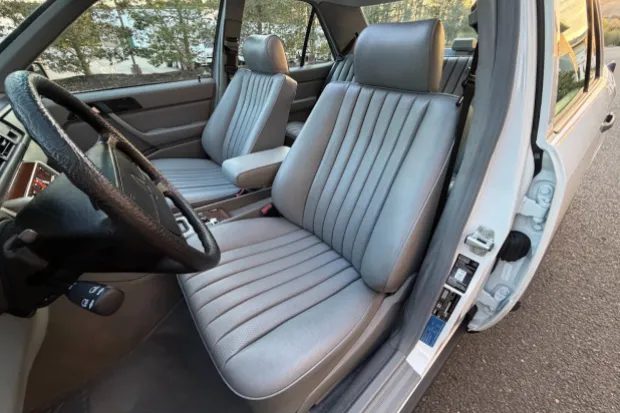
Suddenly, widespread electrical gremlins plagued lights, switches, and window regulators. Catastrophic catalytic converter failures, dashboards cracking faster than a TikTok trend, harmonic balance issues, and severe rust made these cars dissolve like forgotten antacid tablets. Customer satisfaction ratings plummeted from first place to near the bottom—a spectacular fall from grace for a brand synonymous with dependability.
4. Ferrari 348 (Exterior)
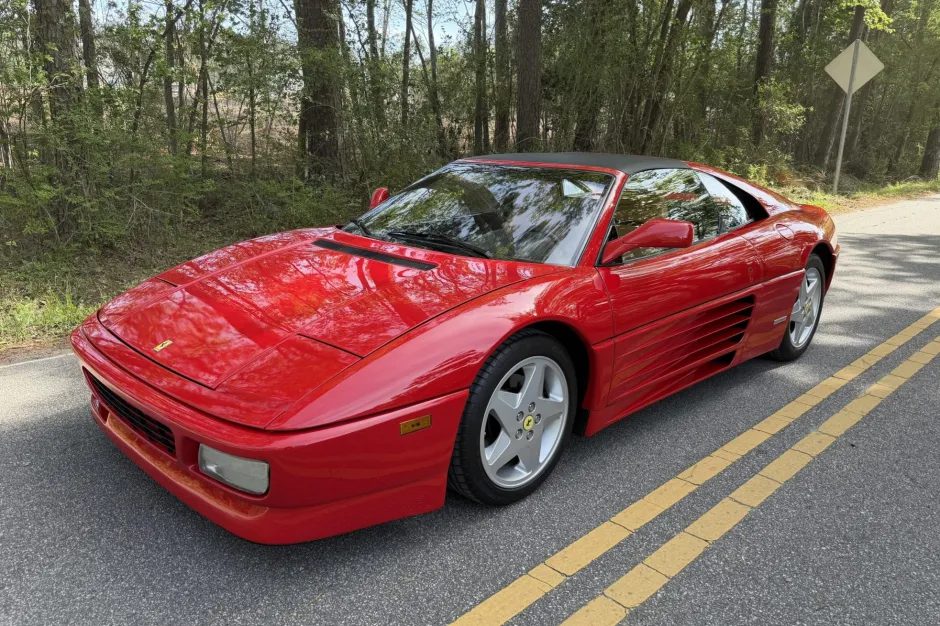
When the prancing horse stumbled badly.
Ferrari’s attempt to replace the beloved 308/328 in the late 1980s with the 348 felt less like evolution and more like a stumble. While it boasted an all-new engine and Formula One-derived gearbox, the performance bump was laughable—a mere 10 horsepower over its ancestors.
Ferrari 348 (Interior)
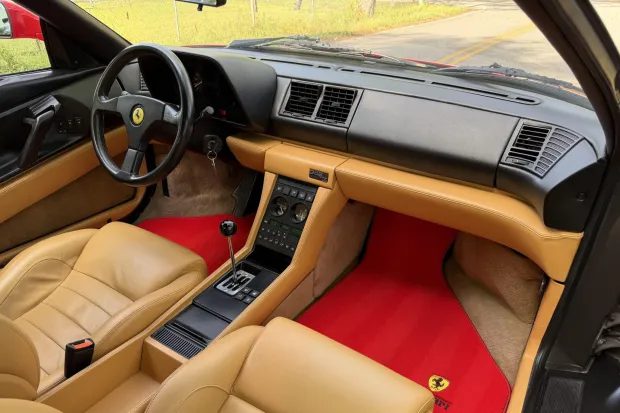
This meant the 348 struggled against contemporary Japanese sports cars. A Toyota Supra could leave it in the dust, a Nissan 300ZX could out-slalom it, and the Honda NSX simply owned it in every measurable way: speed, handling, reliability. It’s the automotive equivalent of ordering a filet mignon and getting a shoe instead.
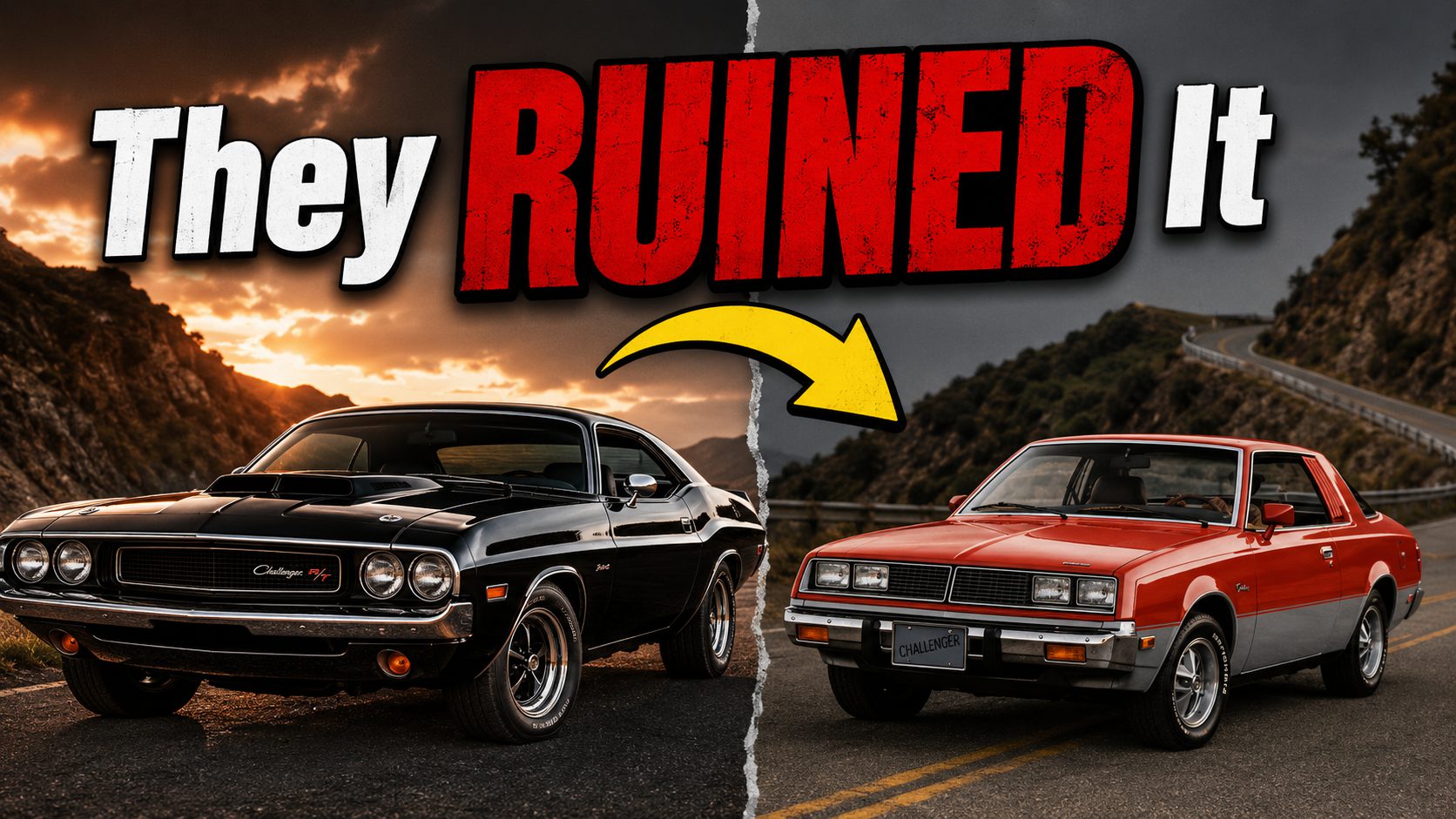
3. Dodge Challenger (1978 Rebadged Mitsubishi Lambda) (Exterior)
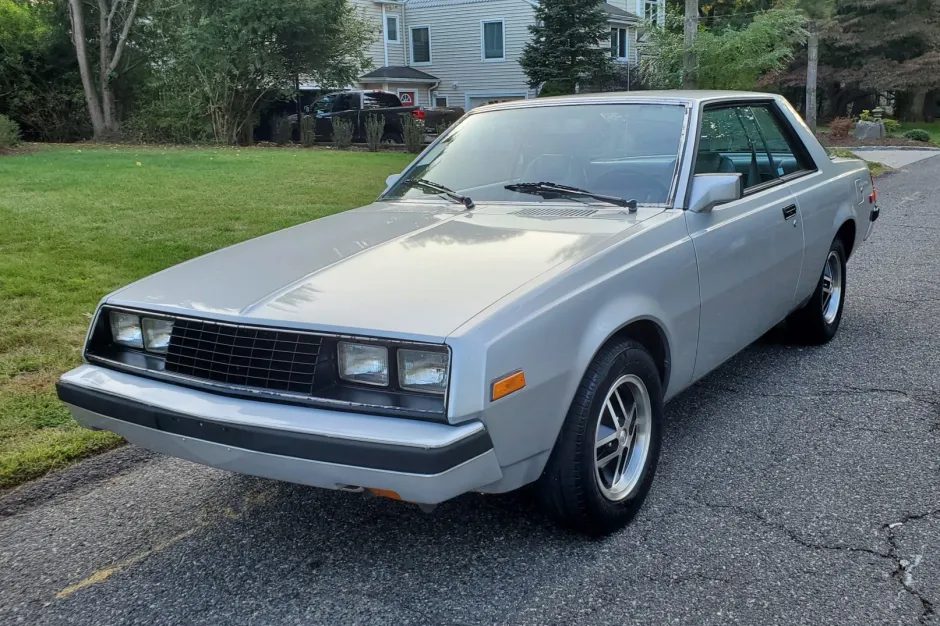
When muscle cars became economy boxes overnight.
The original Dodge Challenger embodied American muscle until the oil crisis killed it in 1974. Its resurrection 3 years later as a rebadged Mitsubishi Lambda was less a revival and more a corporate identity crisis. This new iteration offered a paltry 77 or 105 horsepower, trading V8 thunder for economy car whimpers.
Dodge Challenger (1978 Rebadged Mitsubishi Lambda) (Interior)
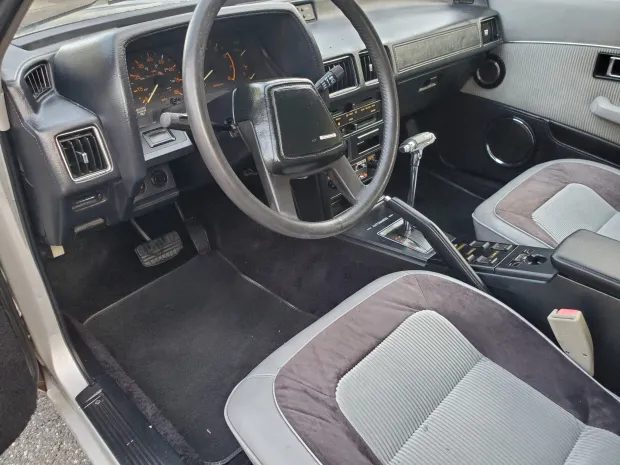
Branding an economy car as a Challenger was like putting a “World’s Best Dad” mug on a toaster. Enthusiasts felt betrayed by this uninspired return that fundamentally contradicted everything the Challenger nameplate represented.
2. Ford Taurus (Third Generation) (Exterior)
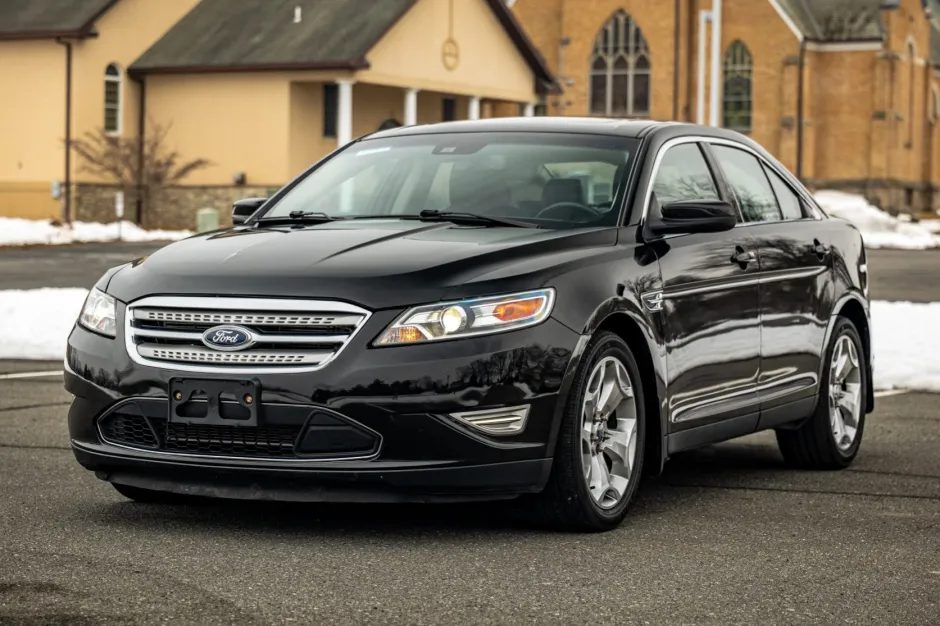
The design gamble that backfired spectacularly.
Remember when the Ford Taurus was America’s best-selling car because it looked, well, like a car? Then came the third generation, and Ford decided to throw a design curveball. This thing’s exterior was so wildly sculpted, people immediately started comparing it to a giant, bewildered frog.
Ford Taurus (Third Generation) (Interior)
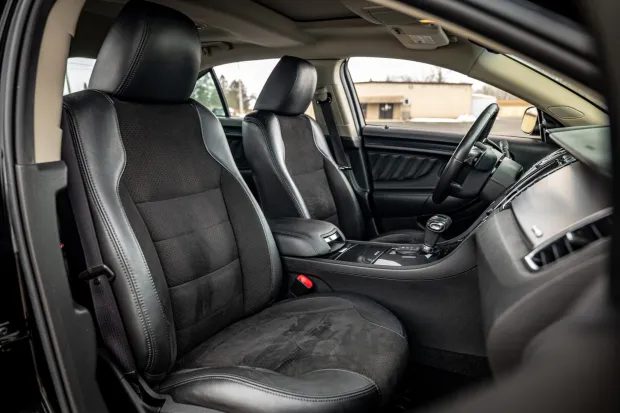
This radical departure completely alienated folks who loved the Taurus for its no-nonsense approach. Suddenly, America’s best-seller wasn’t even competitive, losing market share to the Toyota Camry’s decidedly less adventurous but far more palatable aesthetic. Sometimes sticking to what works beats trying too hard to be different.
1. Toyota Celica (Seventh Generation) (Exterior)
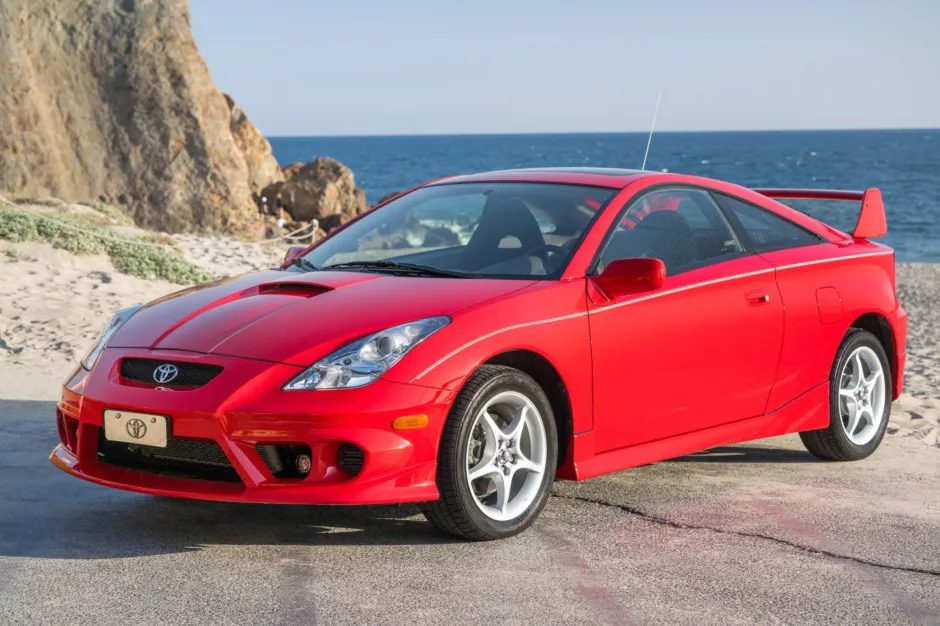
The disappointing finale to a 40-year legend.
The seventh-generation Toyota Celica tragically concluded a 4-decade lineage, abandoning the rear-wheel-drive options that characterized earlier rally-bred generations. Buyers faced 2 uninspiring 1.8-liter engine choices: the economy-focused ZZ and the Yamaha-sourced 2ZZ that experienced catastrophic oil pump failures around 100,000 miles.
Toyota Celica (Seventh Generation) (Interior)
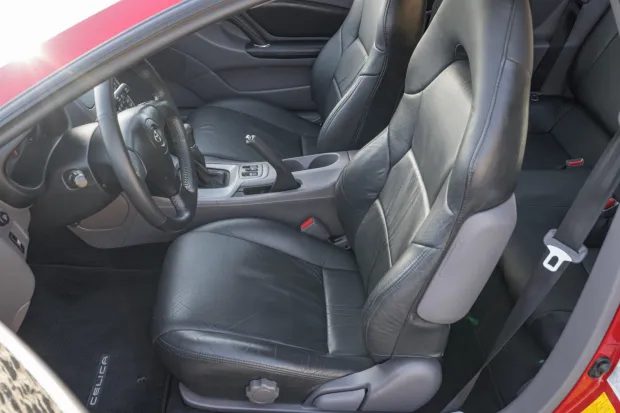
Combined with rust issues and a monotonous gray interior, this FWD-only model’s poor reception ended the entire Celica lineage. When even Scotty Kilmer advises against buying your sports car, that’s usually a sign the party’s definitely over.
These automotive missteps prove that bigger budgets and newer technology don’t automatically equal better cars. Sometimes the magic that made the original special gets lost in translation, leaving enthusiasts wondering what could have been.