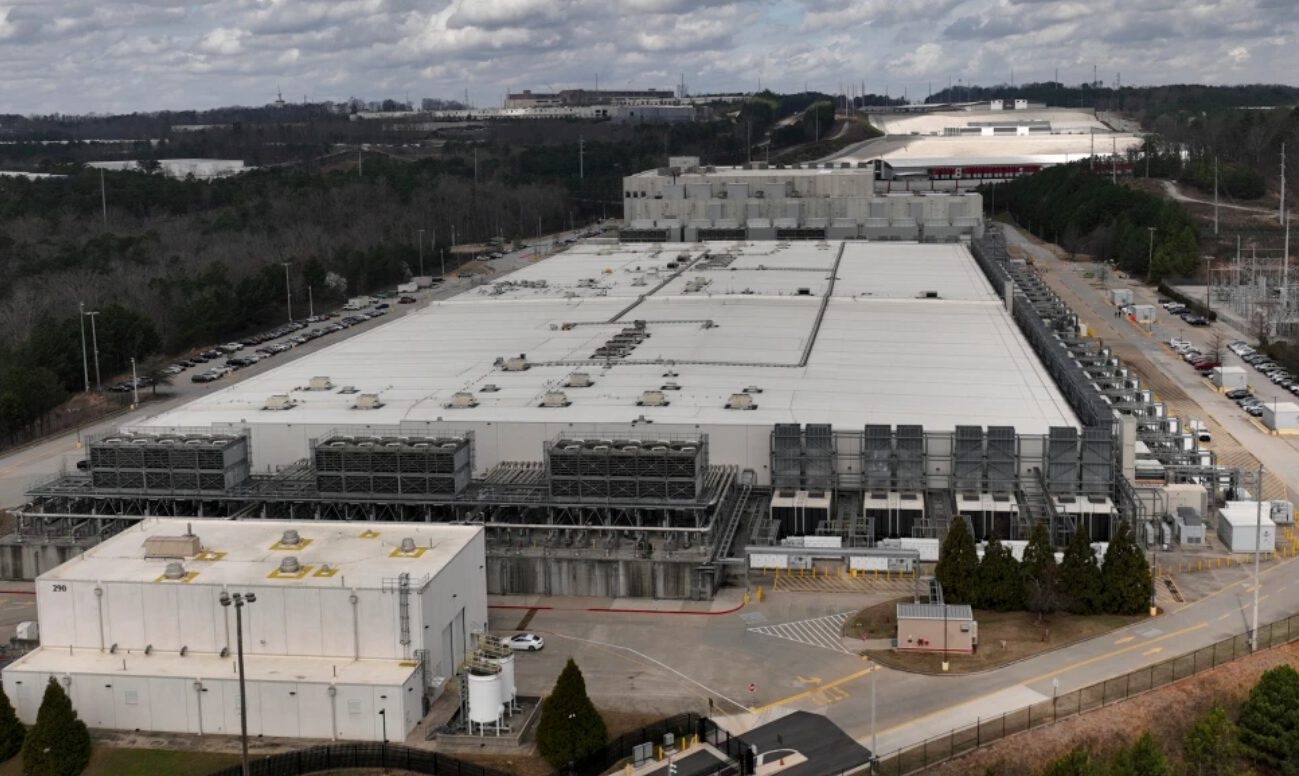
Your electricity bill could jump 58% over five years while tech giants gobble up grid capacity for AI training. It doesnt have to be that way. Maine said “not so fast,” becoming the first state to slam the brakes on large data centers with an 18-month moratorium on facilities requiring 20 megawatts or more.
The move targets hyperscale operations that power everything from ChatGPT to autonomous vehicles—infrastructure that’s essential for AI advancement but brutal on local power grids. Maine’s LD 307 bill passed the House on April 8 and the Senate on April 14, establishing the moratorium through November 1, 2027.
Public Pushback Gains Steam
Thousands of residents rally against unproven benefits and rising utility costs.
The legislation passed with overwhelming public support, drawing 4,900 petition letters from residents who’ve watched their energy bills skyrocket. Democratic Rep. Melanie Sachs, who sponsored the bill, put it bluntly: “The tradeoffs have not been shown to be of benefit to our ratepayers, water usage or community benefit.”
The moratorium halts projects in Jay (a retired paper mill site) and Limestone (the former Loring Air Force Base) while establishing a Maine Data Center Coordination Council to study grid impacts and greenhouse gas implications. Governor Janet Mills awaits the bill for her signature, though she previously preferred exemptions for certain projects.
Industry Warns of Economic Exodus
Data center advocates claim Maine risks losing investment race to AI-friendly states.
Data Center Coalition Director Dan Diorio fired back, warning that “a statewide moratorium would deprive local communities of the opportunity to compete for investment and jobs.” The industry argument carries weight—data centers drive roughly 3% of U.S. GDP growth, with AI demand potentially surging 165% by 2030.
While Maine pauses, states like Texas and Virginia continue aggressive buildouts, potentially capturing the economic benefits Maine is scrutinizing. The timing creates a stark divide between states racing for AI infrastructure and those demanding accountability first.
National Movement Takes Shape
Dozen-plus states consider similar measures as energy costs meet climate goals.
Maine’s success could spark a domino effect. Twelve states considered similar moratoriums in 2026, though most failed to gain legislative traction. Local actions are multiplying—from Bangor’s six-month ban to Milwaukee suburbs questioning tax breaks for data centers.
Even federal lawmakers like Bernie Sanders and Alexandria Ocasio-Cortez have proposed national pauses on data center expansion.
Your state’s next move on data center regulation could determine whether your utility bills subsidize AI infrastructure or whether tech companies pay the true cost of their power hunger. Maine just showed there’s a third option: hitting pause until someone proves the math actually works for residents.