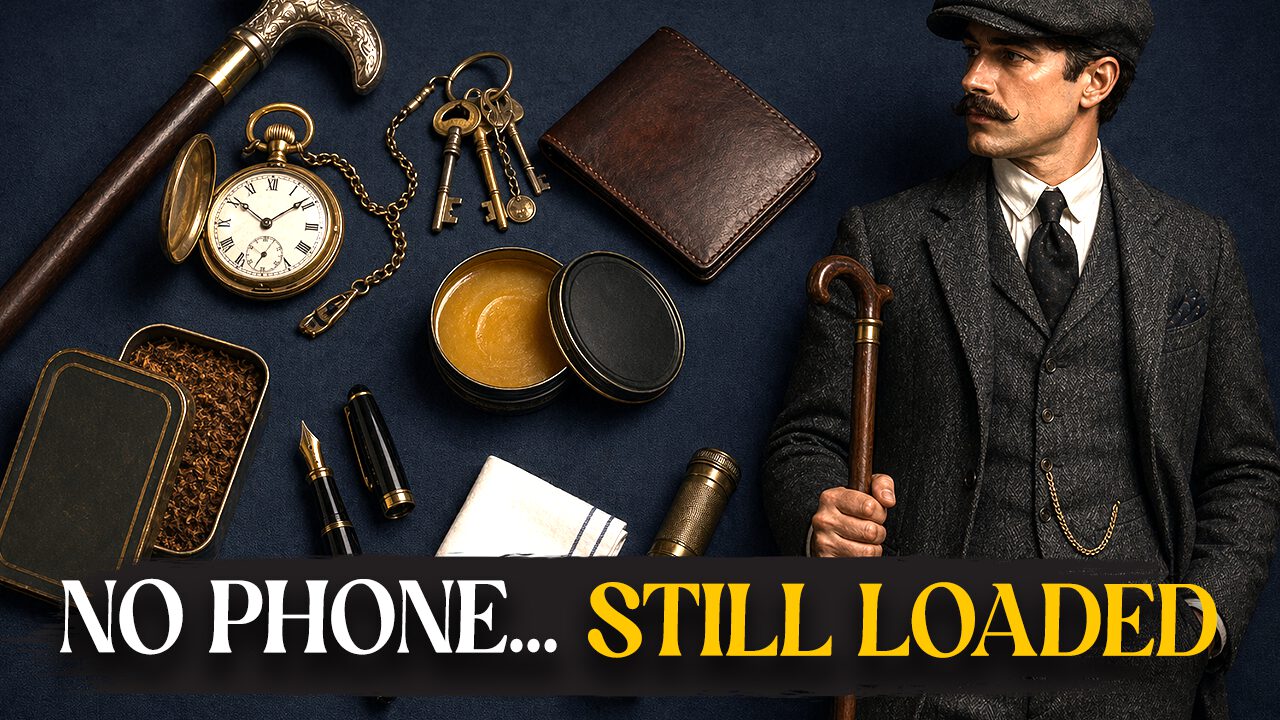
Before smartphones turned everyone into digital zombies, a gentleman’s everyday carry spoke volumes about his status and style. The carefully curated selection wasn’t just about utility—it reflected social standing and personal taste in an era where your pockets told your story.
So, what made the cut? We’ve scoured historical sources and vintage collections to bring you the definitive list. This isn’t your typical throwback guide—unless your great-grandfather was a dapper dude navigating the Edwardian era with a pocket full of panache.
13. Walking Stick
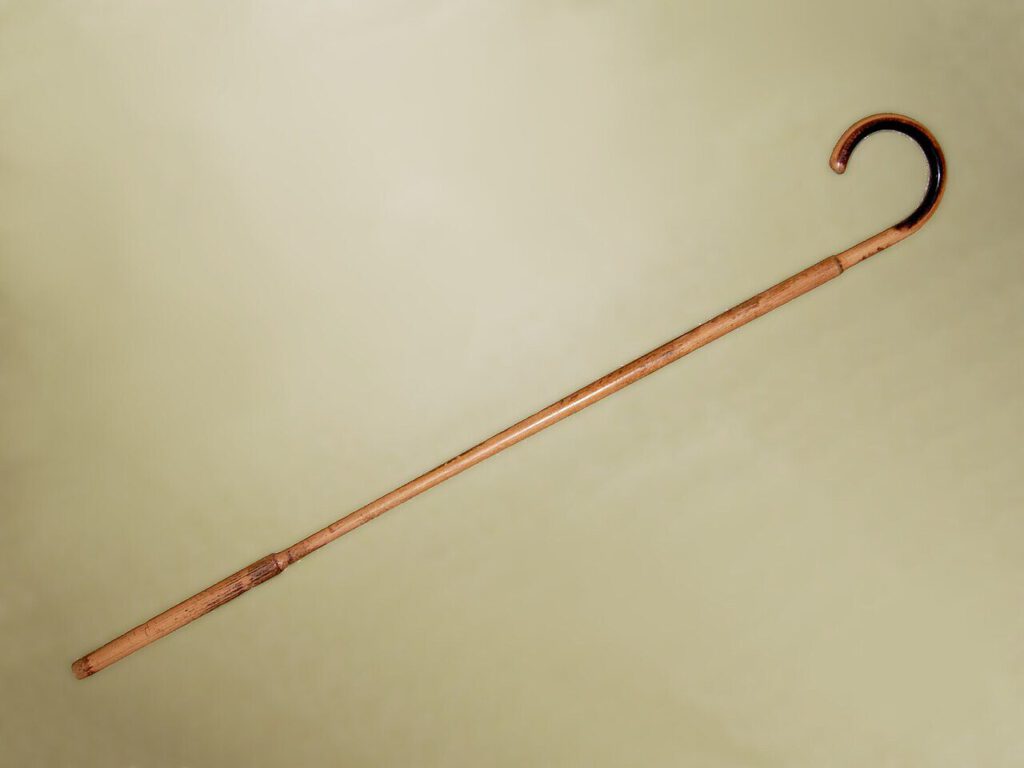
Status symbols that commanded respect from Hyde Park to Fifth Avenue.
Fashionable dudes have been wielding walking sticks since the 17th century, making them the original luxury accessory. These weren’t orthopedic aids; they were status symbols favored by wealthy gents straight through the Edwardian era, which ended in 1914. Think of it as the original flex, like rocking designer streetwear today, only with more wood and less comfort.
If you were strolling through any respectable district, a walking stick was your calling card—a way to signal “I’ve arrived” without saying a word. Their popularity declined after WWI when lugging around what’s essentially a fancy stick became impractical during wartime conditions.
12. Pocket Watch Fob and Chain
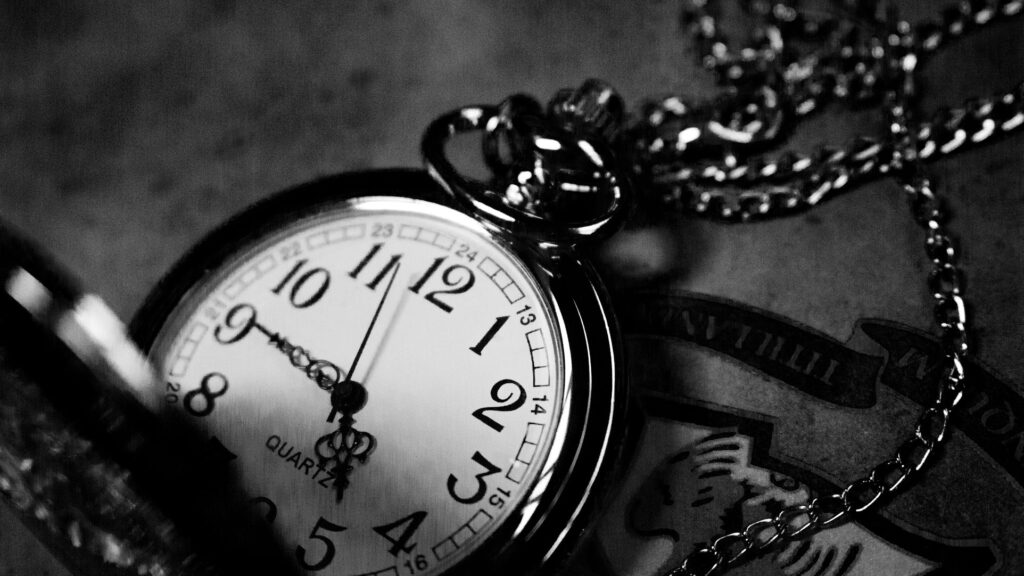
The ultimate time-telling flex that made wrist watches look pedestrian.
The pocket watch reigned supreme before wristwatches became common, crafted from metal with glass crystals and boujee versions featuring silver or gold. Stored in a waistcoat, trouser hip, or jacket breast pocket, the chain connected it to a fob that often held gadgets like toothpicks or tiny knives—basically the Swiss Army knife combo of its day.
Checking time wasn’t just functional; it was performance art. Whipping out a gold timepiece at a board meeting carried way more gravitas than glancing at some peasant’s wall clock.
11. Keys

Simpler times meant simpler key rings—no car fobs, no problems.
Your average Joe juggled fewer keys than modern folks because cars hadn’t invaded every driveway yet. Primarily house and office keys on a chain or ring, with fewer needed since many buildings had doormen handling the lock-and-key dance.
Getting locked out meant sweet-talking a uniformed gentleman, not speed-dialing a locksmith at 3 a.m. Keys were about basic access, not personal fortresses.
10. Smoking Implements
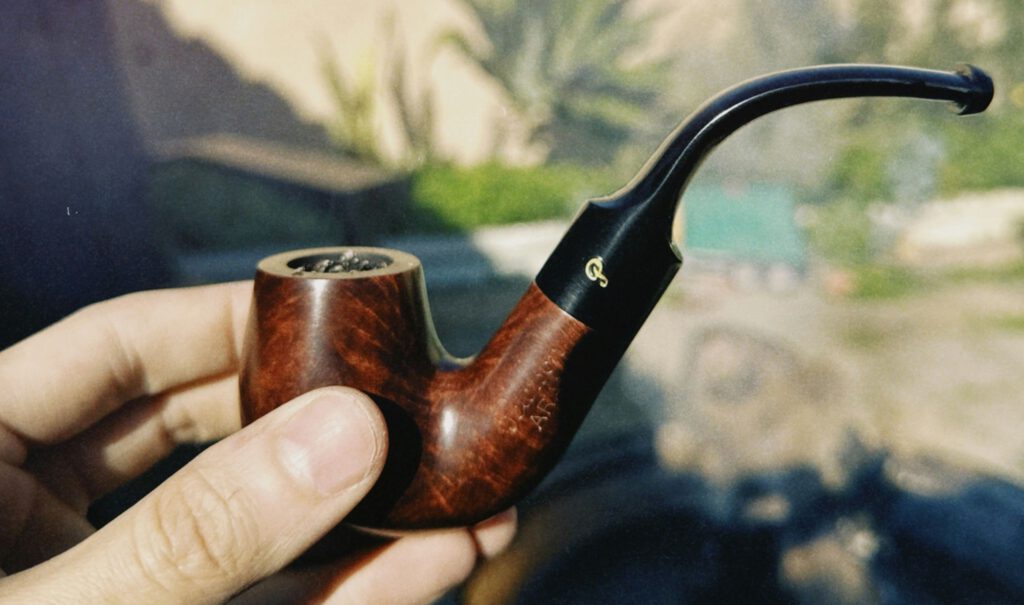
Before cigarettes crashed the party, cigars and pipes ruled the scene.
Before WWI, cigarettes were wallflowers while cigars owned the spotlight. Dapper dudes carried cigars in classy leather or metal cases, sometimes engraved with silver or gold—think vape pen of the early 20th century, but with actual style.
Briarwood or meerschaum clay pipes offered another option, paired with loose tobacco in a pouch. Early lighters from the 1910s were rare as honest politicians, so matches were your reliable backup plan.
9. Wallet or Coin Purse

Cold, hard cash was king when credit cards were science fiction.
Wallets weren’t stuffed with loyalty cards or driver’s licenses since buying on credit was futuristic thinking. These leather treasures held actual money—a $1 bill in 1905 packed the buying power of $35-40 today.
Leather wallets with folding panels and snap buttons, or metal cases for coins and bills, served as portable treasure chests minus the pirate map.
8. Calling Cards and Case
The paper version of sliding into someone’s social circle.
Visiting cards with names, titles, and addresses handled social etiquette through the early 20th century. Servants presented these cards to hosts, making first impressions before you even walked through the door.
Protective cases made of leather, metal, or papier-mâché with mother-of-pearl kept these social credentials crisp and professional-looking.
7. Fountain Pen
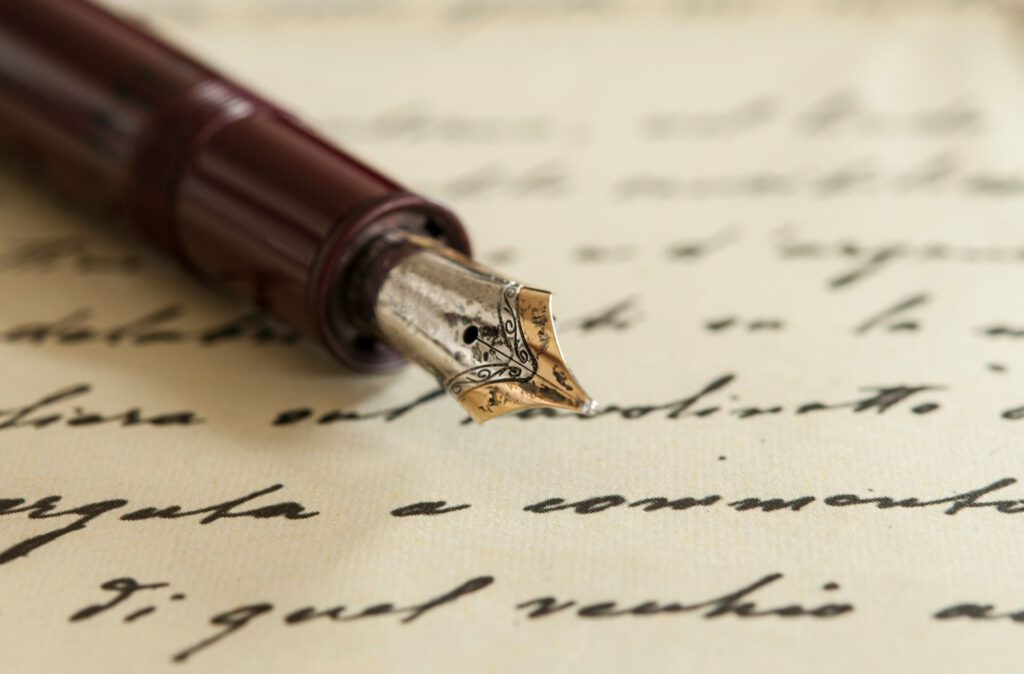
Quality writing tools that signaled class before disposable pens existed.
A fountain pen marked the difference between a gentleman and everyone else in the pre-disposable ballpoint era. These weren’t just writing tools; they were status symbols requiring proper care and maintenance.
For managing correspondence and documents, a quality fountain pen was as essential as a modern laptop—both tools that separated serious professionals from amateurs.
6. Pocket Notebook
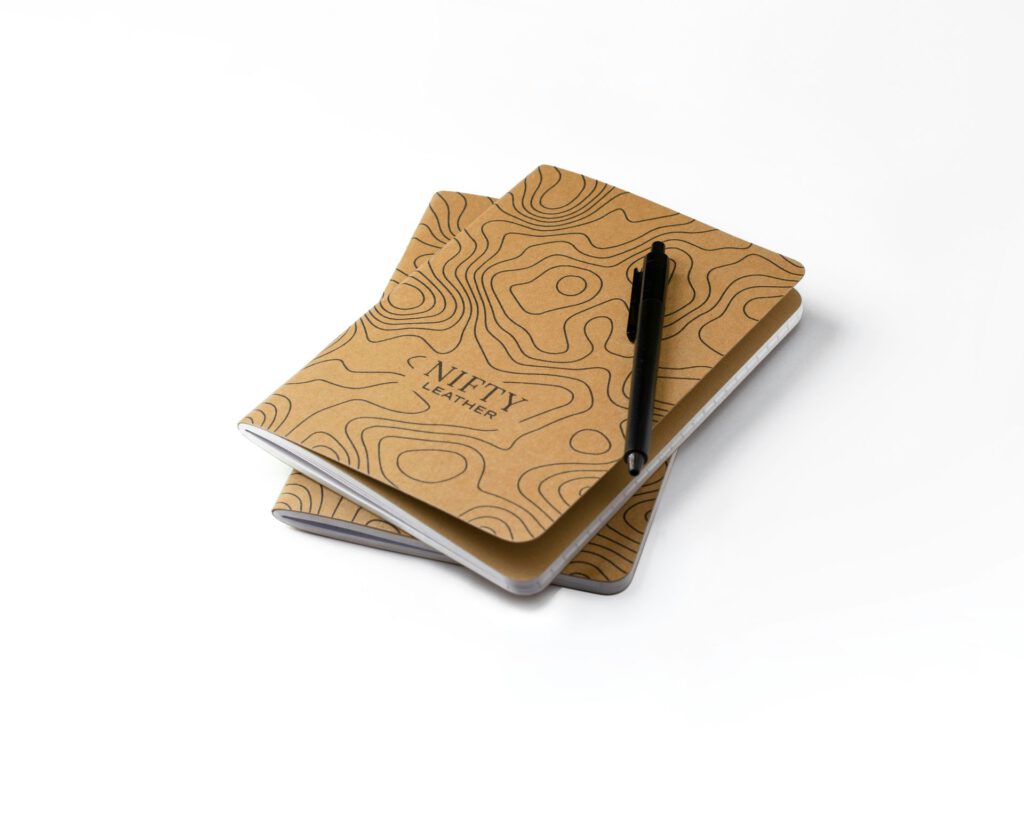
Portable brain storage before smartphones turned everyone into digital hoarders.
Pocket-sized paper pads became common EDC gear as cheap paper production ramped up. These ancestors of legal pads—first developed between the late 1880s and early 1900s—replaced reusable tablet books.
Jotting down genius ideas in dimly lit cafés or doodling during tedious meetings, these notebooks preserved thoughts like amber, making every random brain flash worth capturing.
5. Hair Care Items
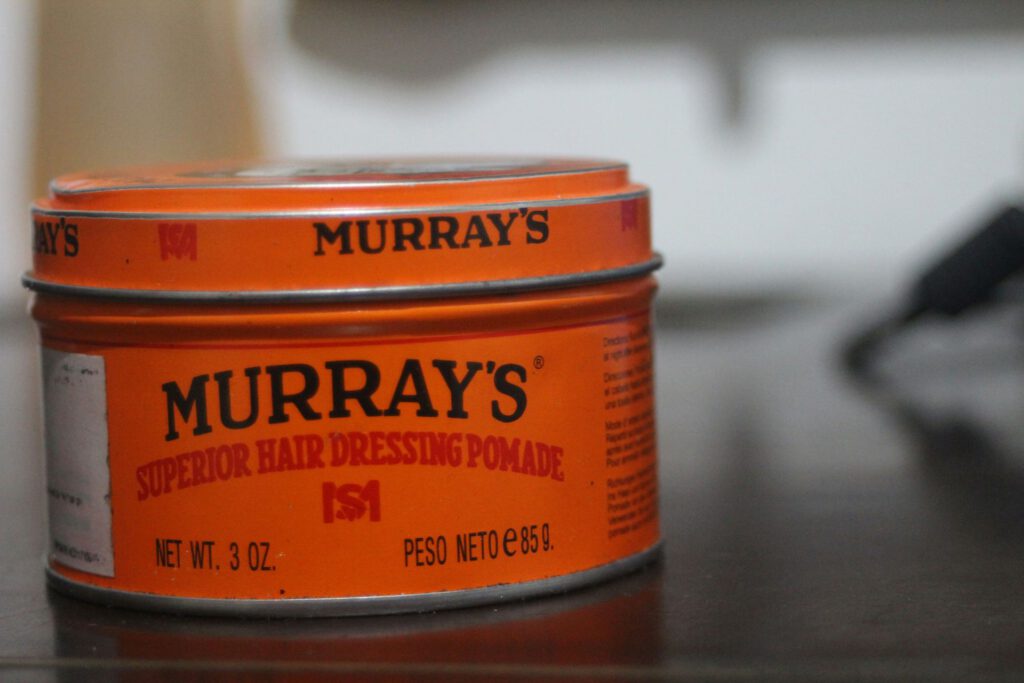
Pocket combs and pomade kept gentlemen looking sharp under those ever-present hats.
Hats were ubiquitous, but removing them without looking like a hot mess required preparation. Foldable pocket combs made from horn or metal handled emergency touch-ups, while pomade from beeswax, lard, or bear grease provided moderate hold.
The slicked-back Wall Street look wouldn’t arrive until the 1920s—petroleum-based styles came later.
4. Corrective Lenses
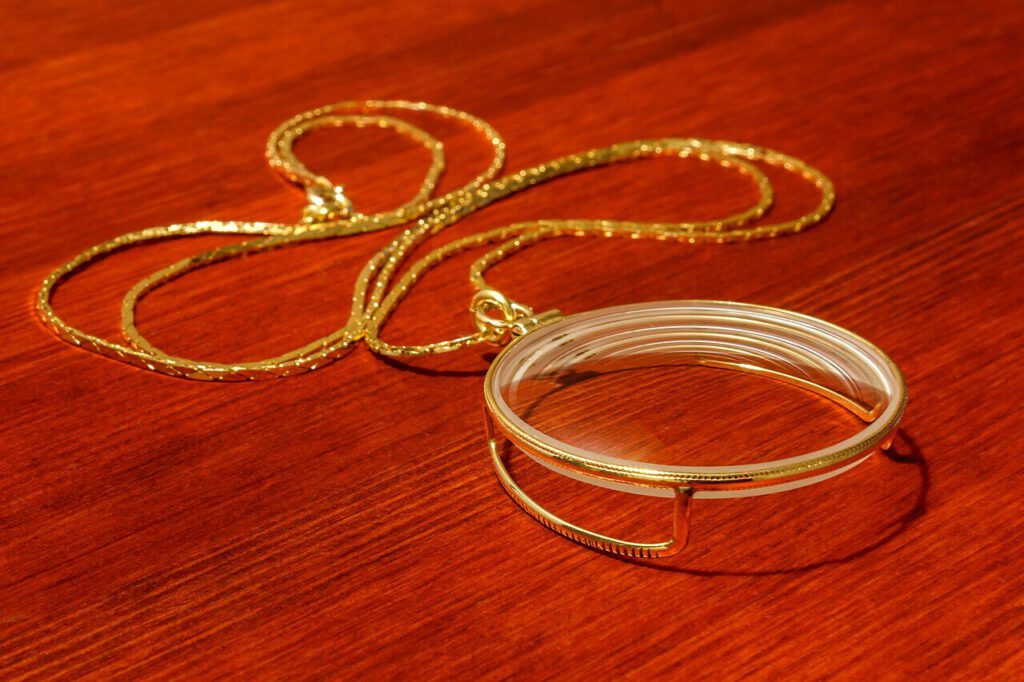
Spectacles, monocles, and pince-nez for those brave enough to admit they needed help seeing.
Spectacles with temples over ears existed since the 1700s, but wearing corrective lenses carried social stigma. Monocles, quizzing glasses, and pince-nez offered handheld or low-profile alternatives to avoid broadcasting vision problems.
Anyone who’s squinted at a menu in dim lighting understands why these accessories stayed discreet.
3. Handkerchief
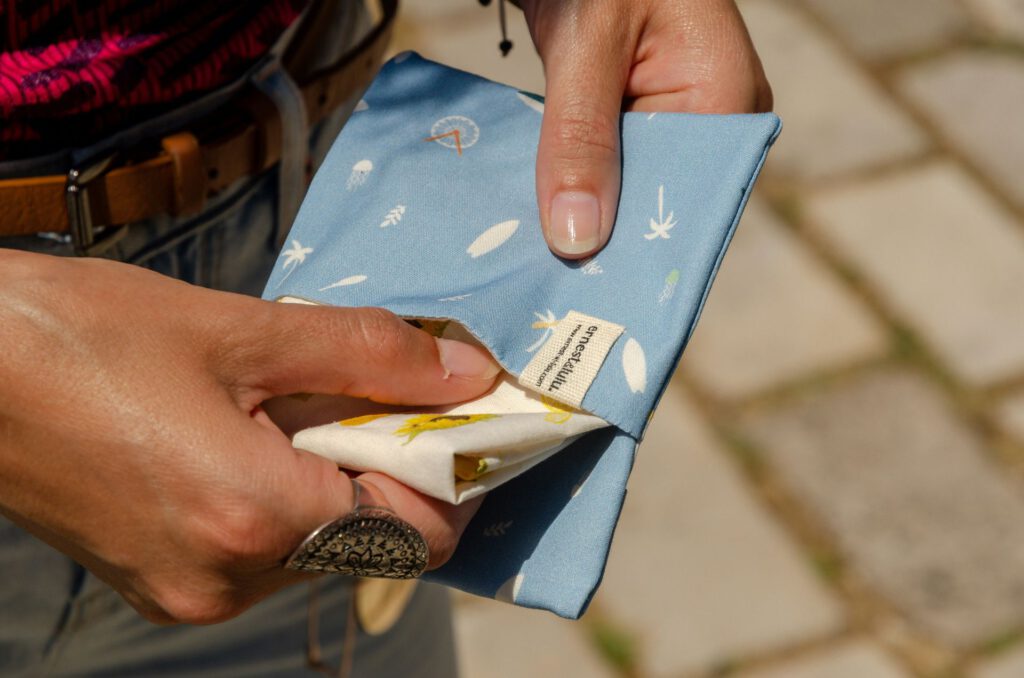
Utilitarian white cotton that served as the Swiss Army knife of personal hygiene.
White cotton or linen handkerchiefs handled everything from mopping brows to cleaning glasses—distinct from decorative silk pocket squares. Often monogrammed, these practical squares tackled urban grime and offered assistance to ladies in distress.
Folded neatly and kept clean, handkerchiefs deployed as needed without TSA hassles.
2. Hip Flask
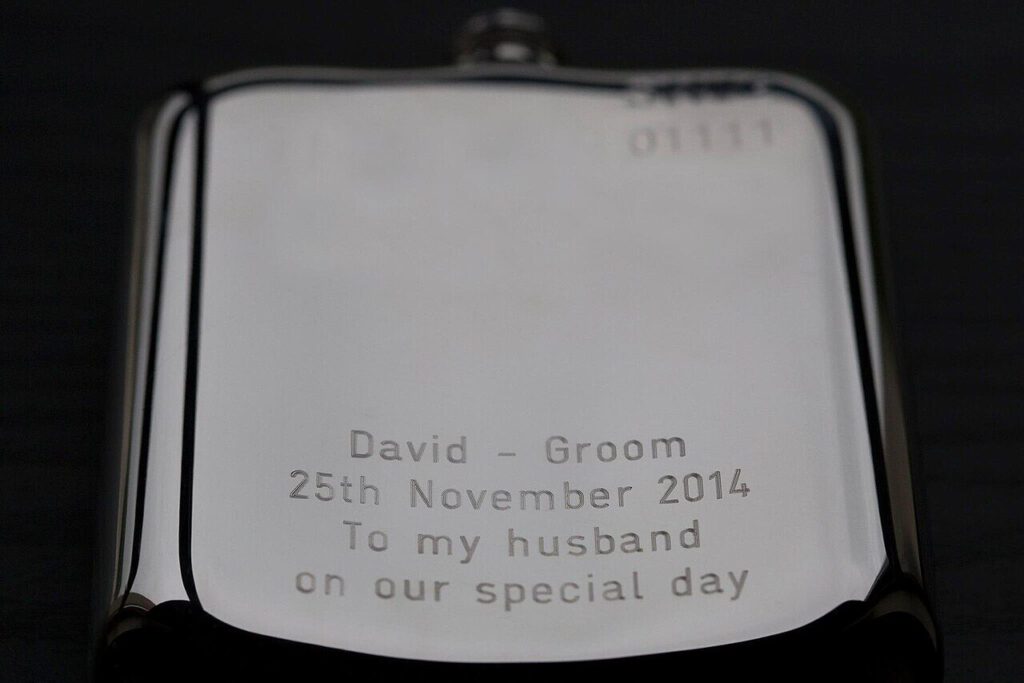
Liquid courage containers that became popular before Prohibition made them essential.
Dating back to the 18th century, hip flasks made from pewter, silver, or glass weren’t common EDC items until the 1920s popularity surge during Prohibition. These clandestine drinking aids offered workarounds when carrying spirits became legally complicated.
Whether dodging temperance advocates or sneaking into jazz clubs, flasks provided portable liquid courage.
1. Flashlight or Pocket Lamp
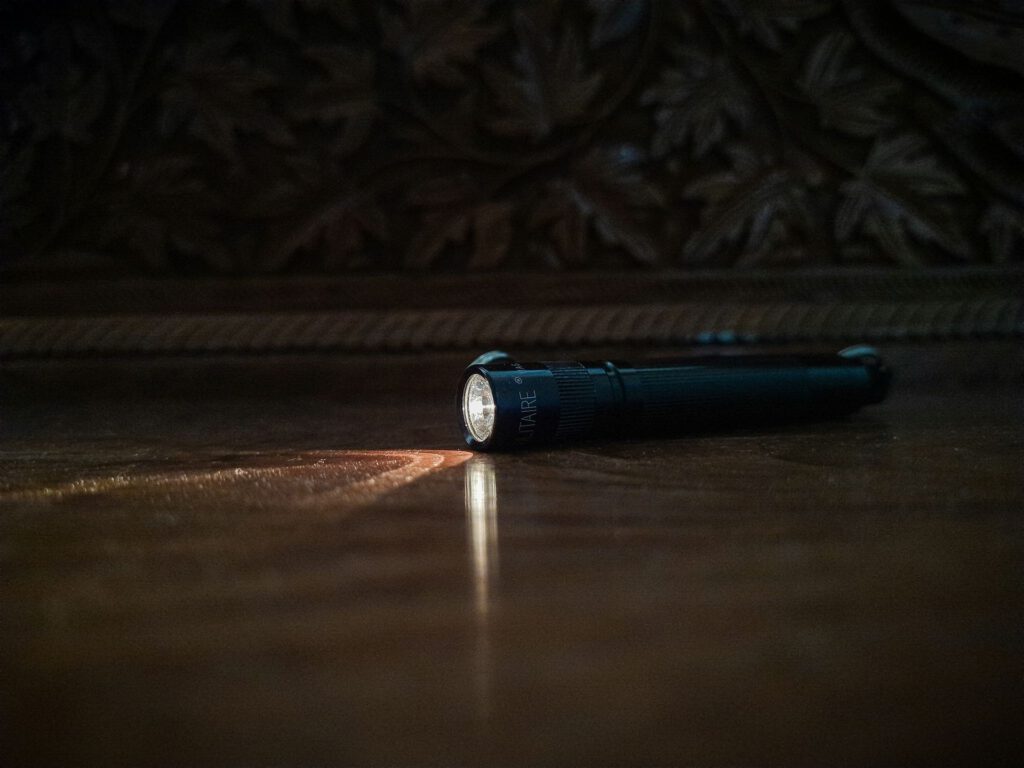
Cutting-edge tech when electric lighting was barely three decades old.
Personal lighting felt like wielding future technology when incandescent bulbs were only 30 years old. David Misell’s 1899 patent (US 617592A) used D batteries in paper tubes, creating tubular, lantern, or penlight options.
Tungsten filaments in 1904 improved brightness, making these early flashlights legitimately useful for fumbling with keyholes or navigating dark spaces without setting facial hair ablaze.