When your utility bills face massive increases because AI infrastructure demands enormous electricity—HMC StratCap’s proposed facility would consume three times the city’s current energy usage—abstract tech policy becomes brutally personal. Monterey Park residents discovered this reality last year when the company proposed a 250,000-square-foot data center near La Loma Park. What happened next should terrify every Big Tech developer banking on community apathy.
The city council didn’t just reject the project—they banned all data centers within city limits. Unanimously. On April 20, 2026, three ordinances were passed, labeling these facilities public nuisances. The developer withdrew the next day, citing community opposition that made continuation impossible.
Material Concerns Cut Across Party Lines
Residents focused on tangible impacts—utility costs, noise pollution, health effects—that resonate regardless of political affiliation.
No Data Center Monterey Park avoided the trap that kills most tech resistance movements: abstract arguments about AI’s societal impact. Instead, they hammered concrete concerns:
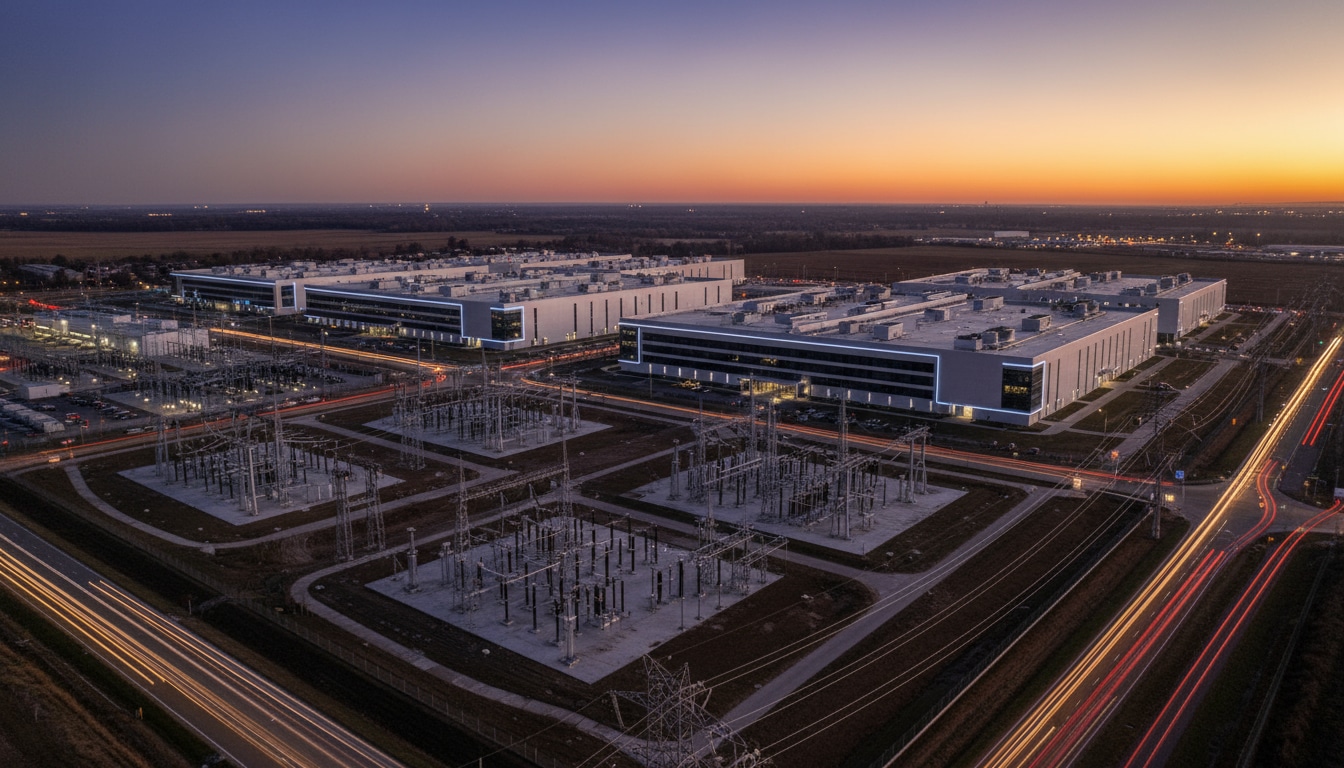
- New electrical substations
- Diesel generators running during outages
- Mental health impacts from constant industrial noise
- Property values are dropping near industrial facilities
This approach works because it’s bipartisan by nature. Fiscal conservatives join environmental advocates when infrastructure threatens local budgets. Mayor Elizabeth Yang noted the overwhelming response: “We’re super excited and grateful for actively engaged community members who have come out again and again.”
Hundreds packed council meetings with hours of public testimony. The message resonated because residents spoke about their daily lives, not Silicon Valley’s grand visions.
Local Power vs. National Infrastructure
Municipal ordinances prove more effective than federal policy debates in blocking unwanted tech expansion.
Monterey Park joins a growing movement of successful local resistance. Small Wisconsin cities like Port Washington restricted data center tax incentives through voter referendums. Data Center Watch reports $64 billion in blocked projects nationally since May 2024—proof that communities hold more power than they realize.
The upcoming June 2 ballot measure, Measure NDC, could make Monterey Park the first U.S. city where voters directly ban data centers. That’s not just symbolic—it’s a legal framework other communities can copy.
Your city council controls zoning. Your neighbors vote on ballot measures. The infrastructure powering AI expansion depends on local approval at every step. Monterey Park proved that Big Tech’s expansion plans crumble when communities organize around kitchen-table concerns instead of cosmic tech debates.