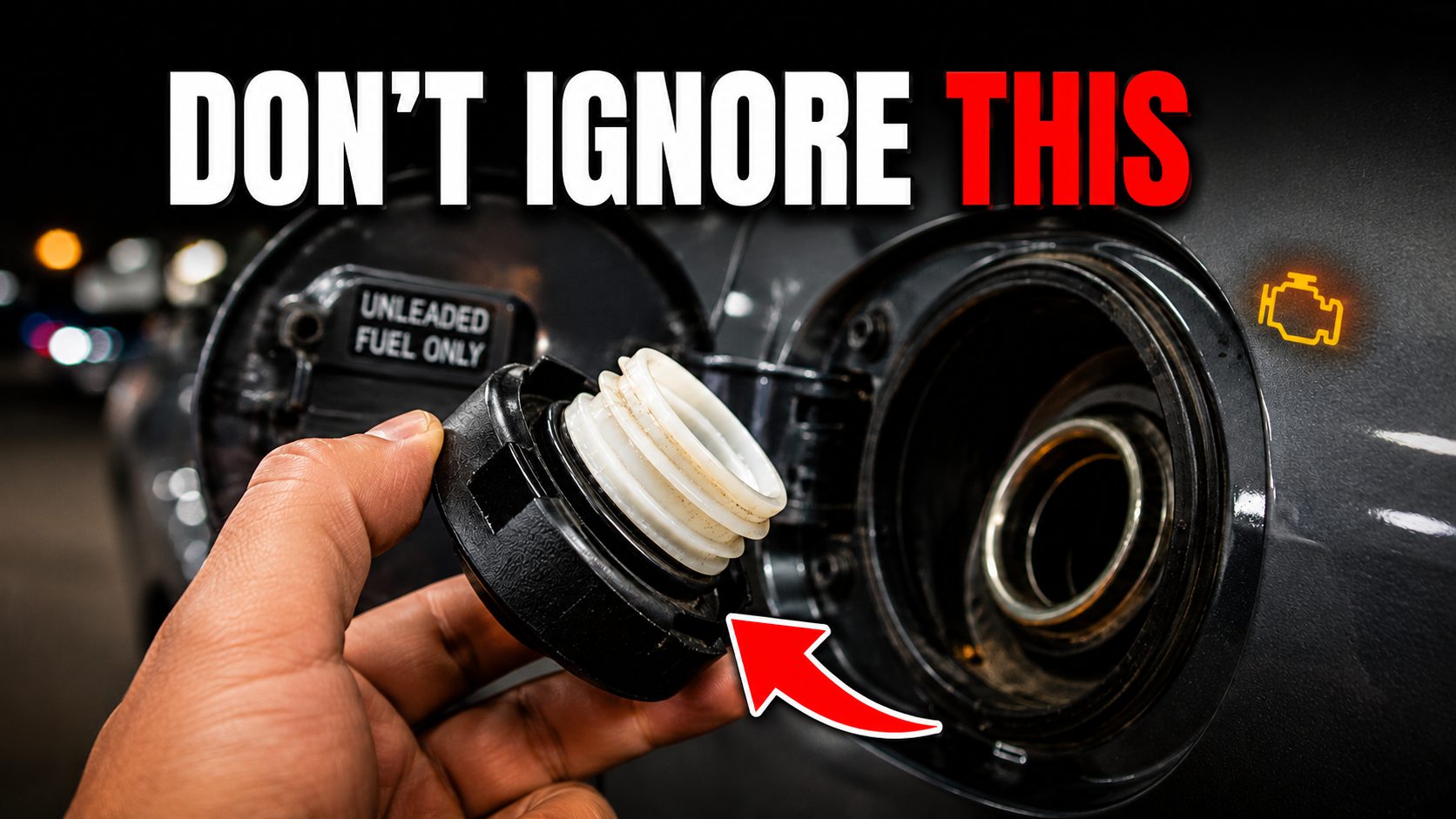
Car maintenance might seem about as thrilling as watching paint dry—until you’re stranded on the side of the road, sweating bullets and Googling “tow truck near me.” Proactive car care isn’t just for gearheads in garages; it’s for anyone who wants to dodge those “check engine” light dramas and keep their ride running smoother than a freshly paved highway. Mechanics might not spill these secrets, but this list will show you how to maintain your car while saving serious cash.
16. Gas Cap Gasket (O-ring) Maintenance
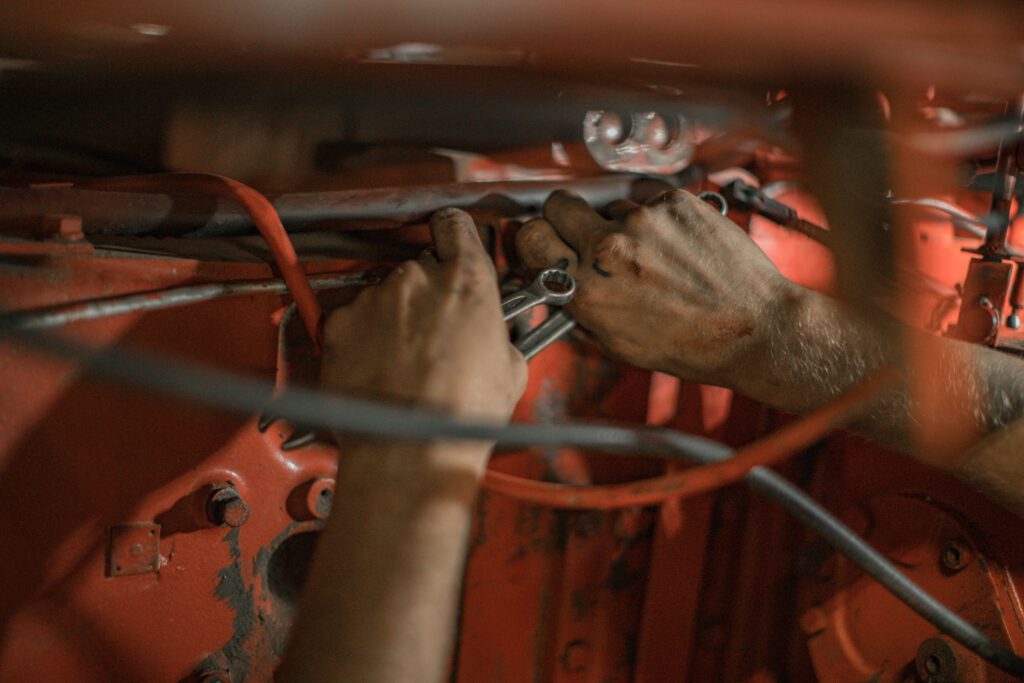
That rubber O-ring on your gas cap is the primary seal preventing expensive EVAP system failures.
About diagnostic trouble code P0455, which indicates a large EVAP system leak: you might as well throw cash out the window every time you smell gas but can’t find a spill. That rubber O-ring degrades from gasoline fumes, ozone, and temperature swings—like a toxic love triangle targeting your wallet.
Applying a pea-sized amount of clear silicone dielectric grease annually keeps the gasket sealed tight. Inspecting and maintaining this tiny component could save you from that dreaded “check engine” light and costly diagnostic fees.
15. Strategic Brake Bleeding During Pad Replacement
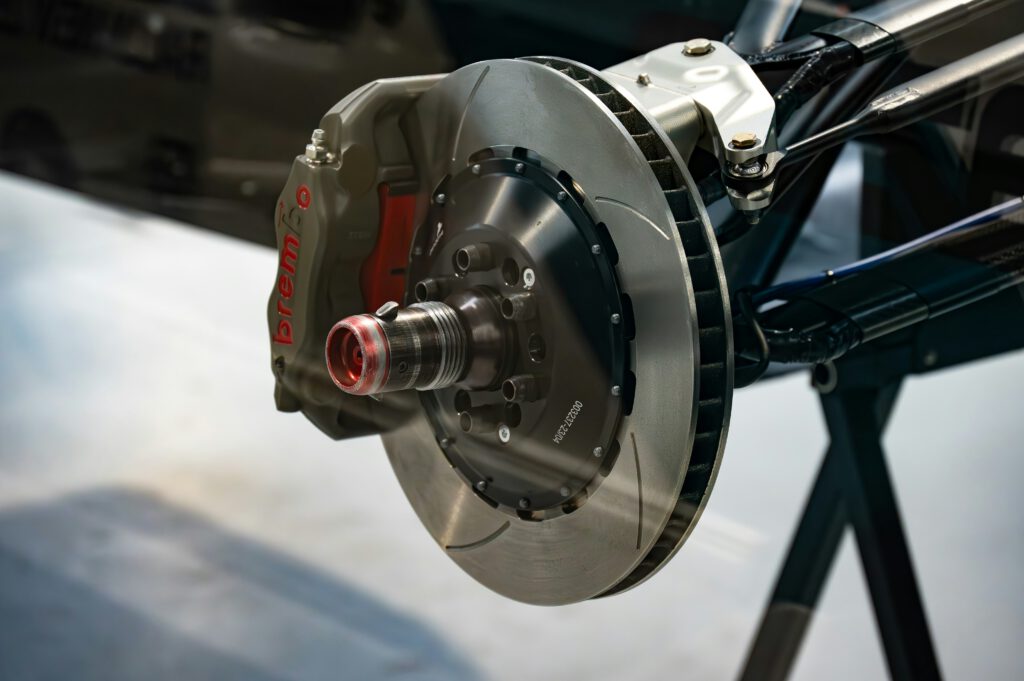
Opening the bleeder valve prevents contaminated brake fluid from damaging your expensive ABS system.
Instead of simply clamping those caliper pistons back when swapping brake pads—like some kind of barbarian—think about where that fluid goes. Old brake fluid is hygroscopic (attracts water), corrosive, and dirtier than a NYC subway platform. Forcing that back through the ABS module is like mainlining sludge directly into a system that costs thousands to repair.
Get yourself some clear tubing and a catch bottle, then crack open the bleeder valve on the caliper. As you retract the piston, that gunk gets pushed out—not back. Just remember to keep an eye on the brake fluid level up top.
14. OBD2 Scanner (Onboard Diagnostics 2 Scanner)
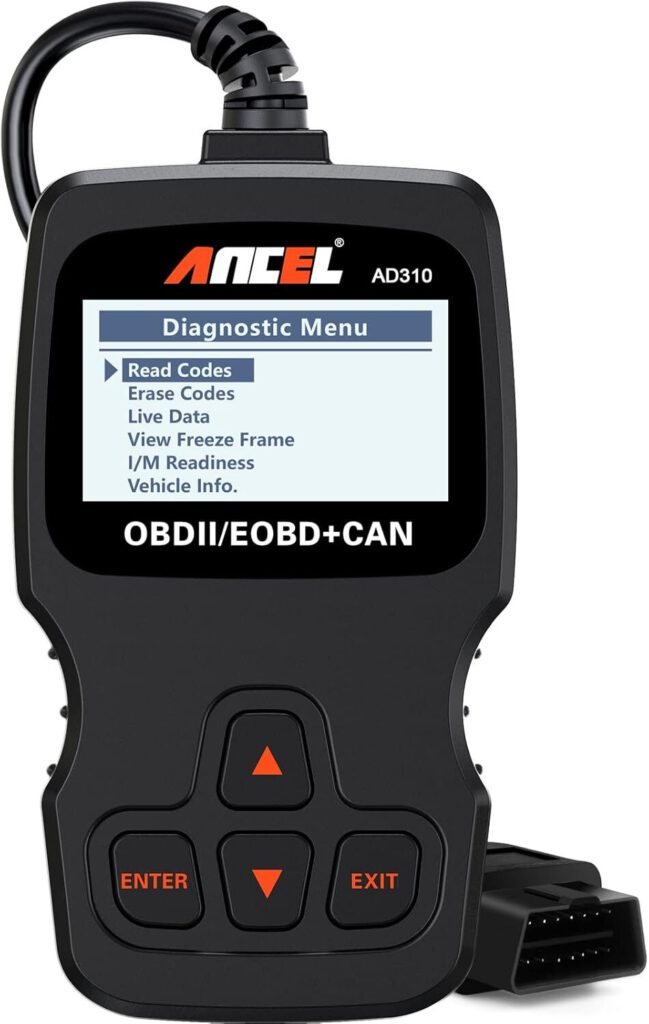
Every car made since 1996 has a diagnostic port that can save you hundreds in unnecessary repairs.
That OBD2 port under your dash is like your car’s version of a tell-all autobiography. These scanners can be purchased for less than $50—a one-time investment against the endless abyss of auto shop bills.
Instead of deciphering hieroglyphics, these gadgets translate engine codes into plain English. Your mechanic might approach that mysterious “P0420” code with a raised eyebrow and a quote for a new catalytic converter, but with a scanner, you walk in knowing you might just need an oxygen sensor check.
13. Maintenance Required Light Reset
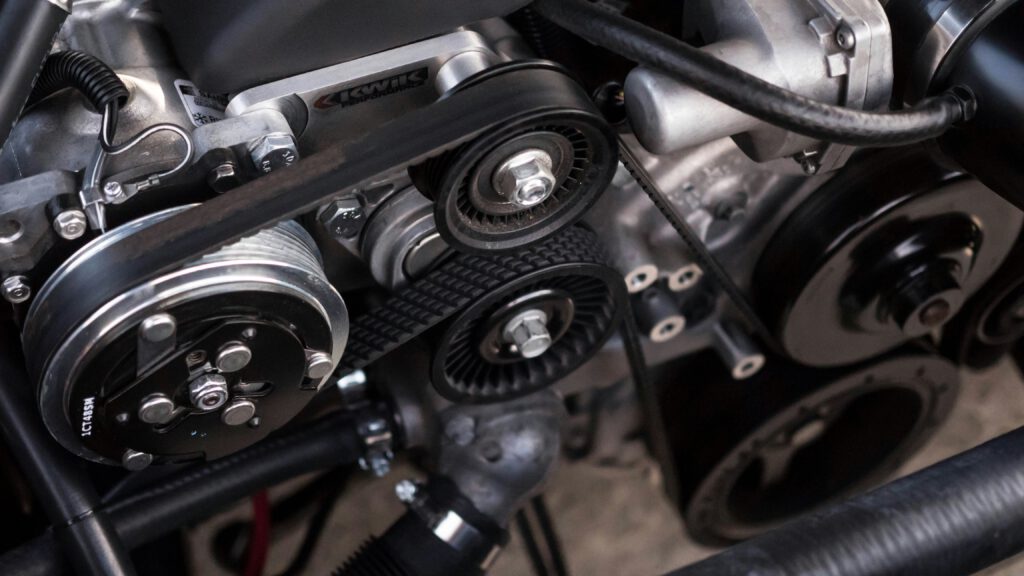
That nagging dashboard light is just a mileage-based reminder, not a psychic predicting car doom.
The “maintenance required” light isn’t telling you your car’s about to implode. It’s programmed to remind you about dealer visits, typically every 5,000–7,500 miles. Resetting it varies by manufacturer, but Toyota and Honda usually involve a series of key turns and button presses.
Set trip meter B as your personal, real-time odometer after each oil change. It’s like giving your car a fitness tracker, because who needs another unsolicited service recommendation?
12. Fuel Additives and Octane Boosters

Modern gasoline already contains sophisticated detergents; most aftermarket additives are solutions seeking problems.
Think of fuel additives as the tech support of your car’s fuel system—sometimes helpful, sometimes snake oil. Octane boosters tend to raise octane levels by mere points, not the full numbers you’d hoped for.
However, select products like Chevron Techron or Gumout Regain are proven effective, especially in older, high-mileage cars with carbon buildup. For well-maintained vehicles running quality fuel, buying aftermarket additives is about as useful as buying extra iCloud storage.
11. Car Battery Selection and Conditioning
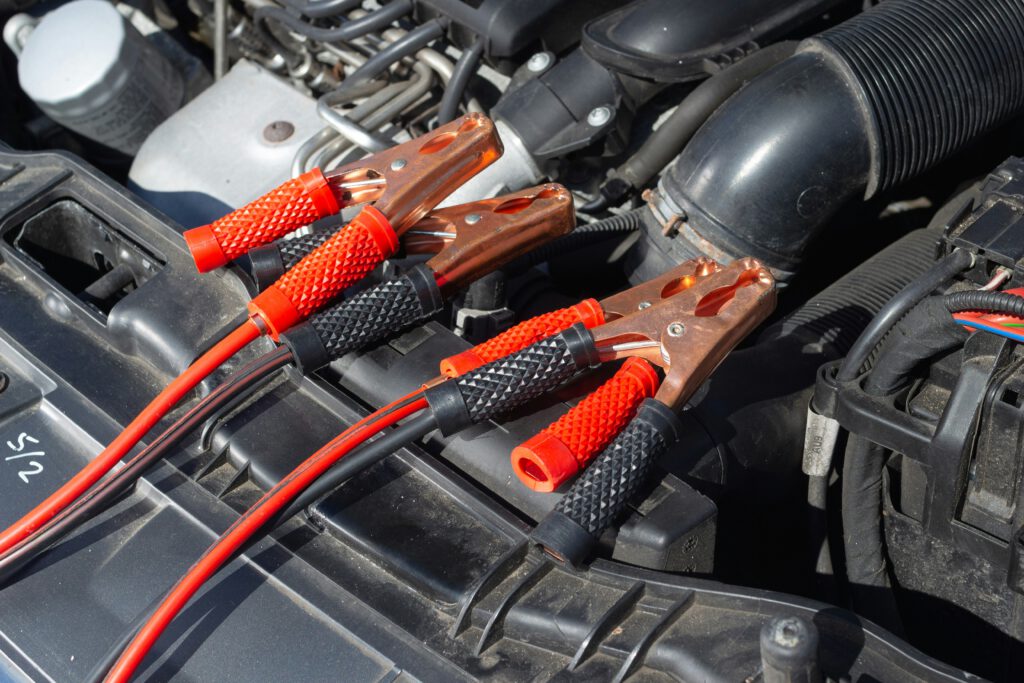
New batteries sitting on store shelves lose capacity through sulfation before you even buy them.
Car batteries have a shelf life beginning from manufacturing. Never buy a battery that’s been chilling on the shelf for more than 3 months—think of it as swiping right on a dating profile from 2017.
New batteries typically arrive at about 75–80% charged; it’s like buying a half-empty bottle of wine. Treat your battery to an overnight spa day with a quality multi-stage charger to bring it to full capacity before installation.
10. Fuel Tank Overfilling Risks
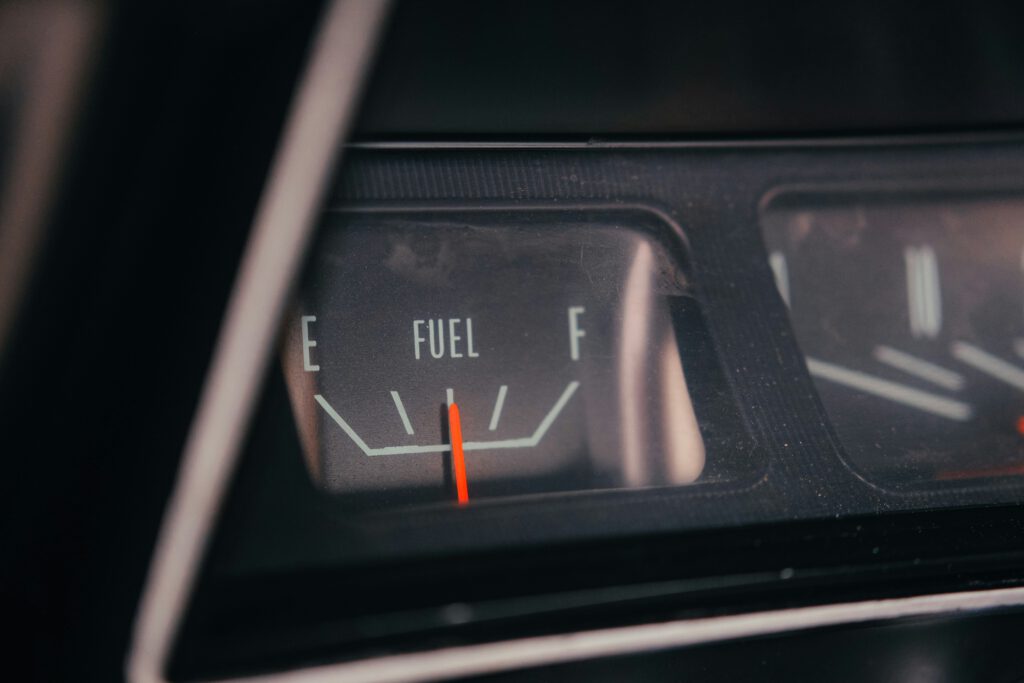
That automatic pump shutoff protects your expensive vapor recovery system from liquid fuel damage.
Forcing extra fuel into the tank beyond the automatic shutoff is like trying to cram an extra burrito into your already stuffed face—unnecessary and messy. Extra fuel either spills down the side, eating away at your paint’s clear coat, or gets forced into the vapor recovery system.
The EVAP system’s charcoal canister is meant for vapor, not liquid. When overfilled tanks force raw gasoline into the canister, it destroys the charcoal pellets’ vapor absorption capability. Replacing that charcoal canister costs enough to make you regret that extra squeeze.
9. Engine Air Filter and Cabin Air Filter Maintenance
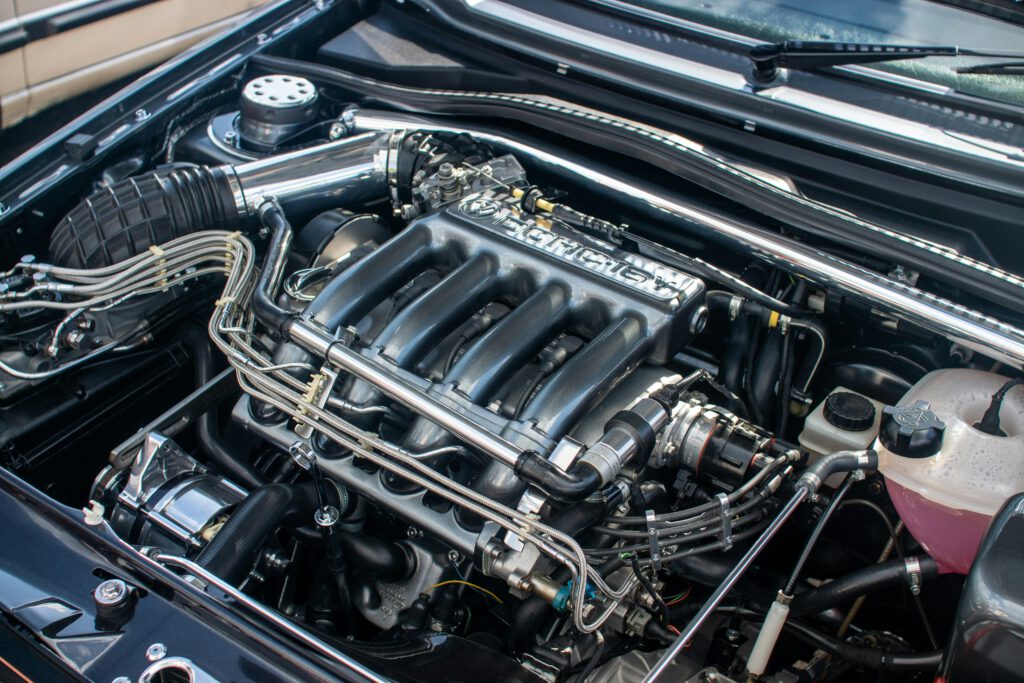
Engines are giant air pumps; clogged filters force them to work harder while reducing performance.
Ditch the myth that slightly dirty air filters boost performance—that’s like saying a clogged artery is good for your heart. Air filters act as bouncers, keeping dust and grime from trashing sensitive engine parts.
Replacement is needed every 12,000 to 30,000 miles depending on driving conditions. Your cabin air filter cleans air through car vents; clogged filters create musty odors and strain AC blower motors.
8. PCV Valve Inspection
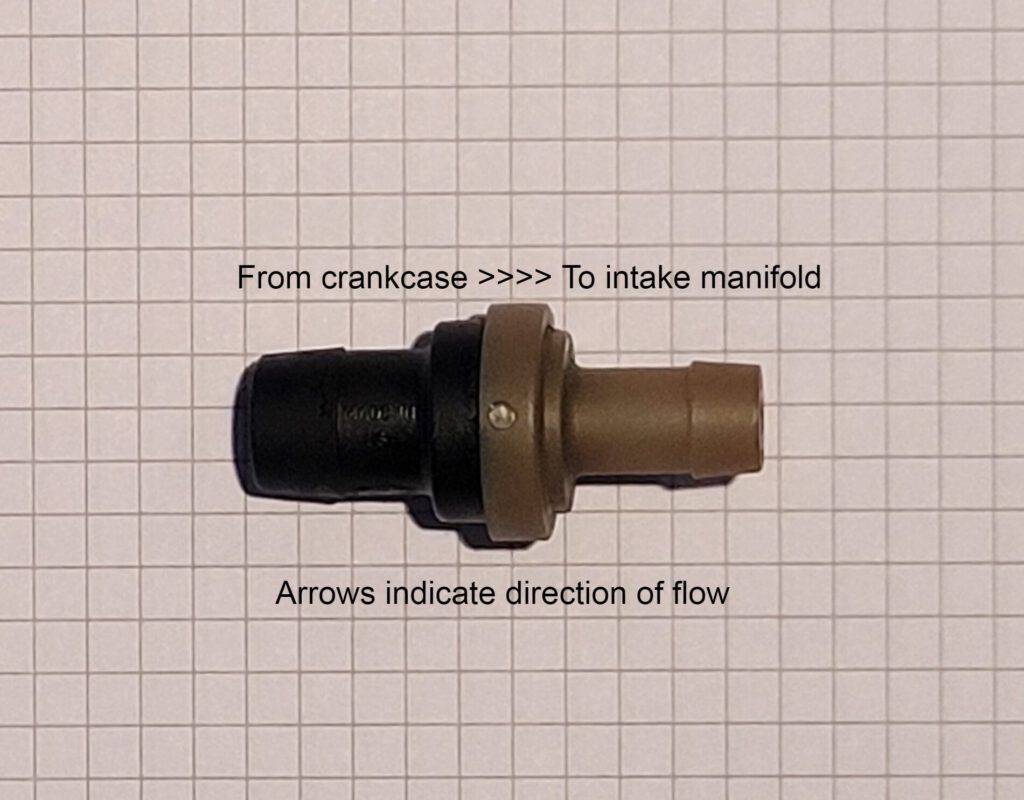
This $20 valve prevents harmful blowby gases from contaminating your engine oil and building dangerous pressure.
The PCV valve is a small one-way valve that reroutes harmful blowby gases back into the intake for safe combustion. Channel your inner maraca player and shake the valve—a healthy valve should rattle like a marble in a spray paint can.
With the engine running, pinch the hose leading to the valve and feel for strong vacuum with a clicking sound. Testing every 15,000 miles costs nothing but can prevent expensive oil seal failures and engine damage.
7. Spark Plug Inspection and Replacement
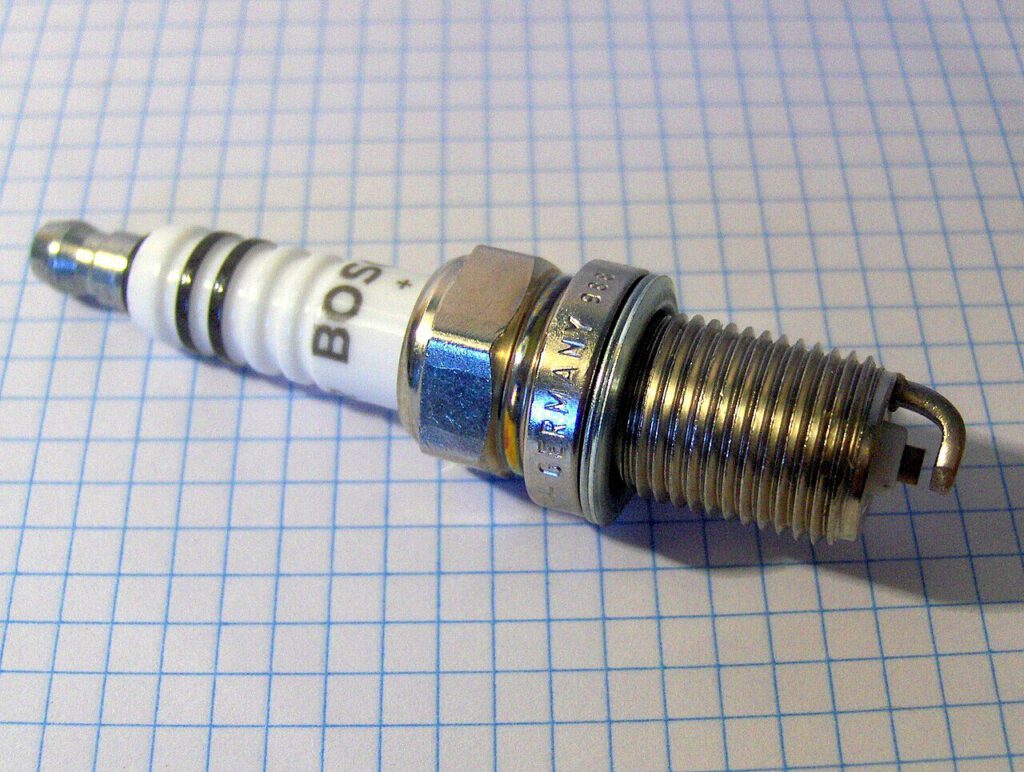
Spark plug condition reveals engine health while degraded plugs waste fuel and reduce performance.
Inspecting spark plugs every 30,000 miles offers clues to what’s happening under the hood. Light tan or grayish deposits signal a healthy, properly running engine. Blackened, sooty plugs suggest an overly rich fuel mixture or weak ignition.
Since engines are calibrated for specific heat ranges, using wrong plugs is like wearing stilettos to climb Everest. Fresh, correctly-gapped spark plugs ensure complete air-fuel mixture burn, restoring smooth idle and crisp throttle response.
6. Transmission Fluid Service Intervals
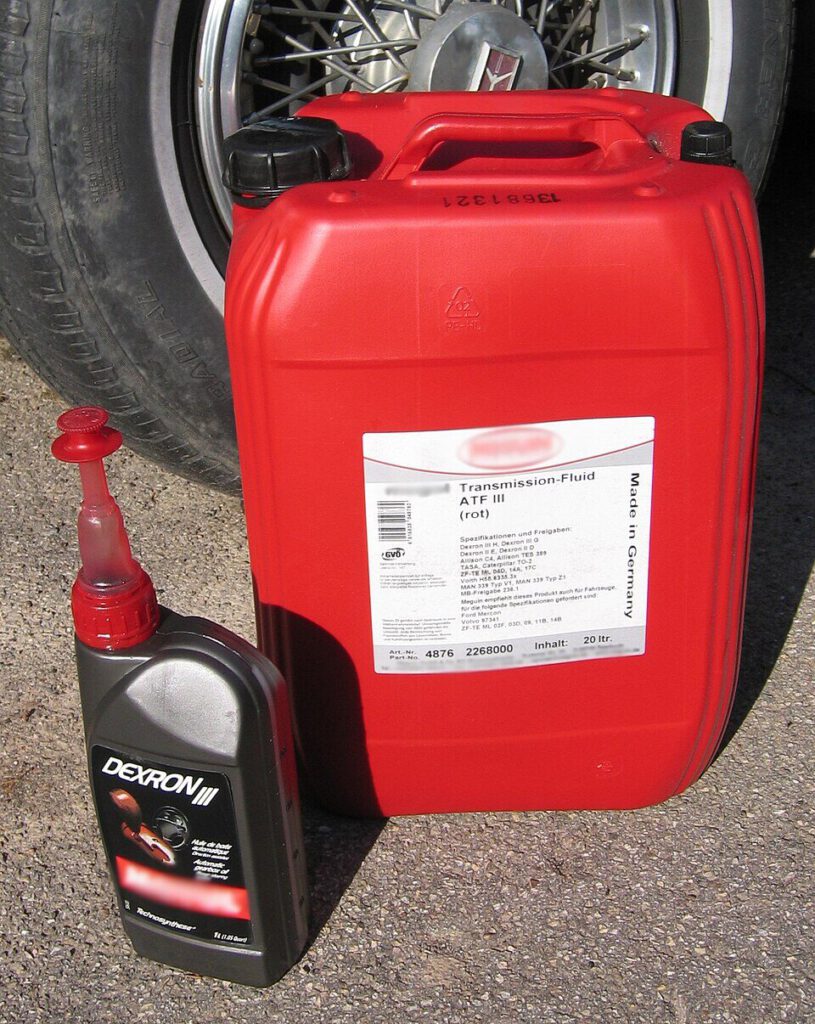
“Lifetime fluid” is misleading marketing; no fluid lasts the vehicle’s lifetime.
Transmission fluid is a complex blend that lubricates, cools, and provides hydraulic pressure for shifting. Through heat cycles, fluid breaks down and becomes contaminated with metal particles from clutch packs.
Following the 60,000 to 100,000 mile service intervals prevents the number one cause of automatic transmission failure. Fresh fluid is bright red with a sweet smell; old fluid turns brown/black and smells burnt—your transmission’s cry for help.
5. Tire Pressure Monitoring and Wheel Alignment

Proper tire pressure and alignment save money on tires and fuel while providing safer handling.
Visual inspection cannot accurately gauge tire pressure; dangerously underinflated tires appear normal. Low pressure causes excessive sidewall flexing, generating heat that breaks down rubber and increases blowout risk.
Check tire pressure monthly when cold using the specification on your driver’s side door jamb sticker, not the tire sidewall. Have alignment checked every 10,000 miles—potholes can throw angles out of whack, causing rapid uneven tire wear.
4. Serpentine Belt and Hose Inspection
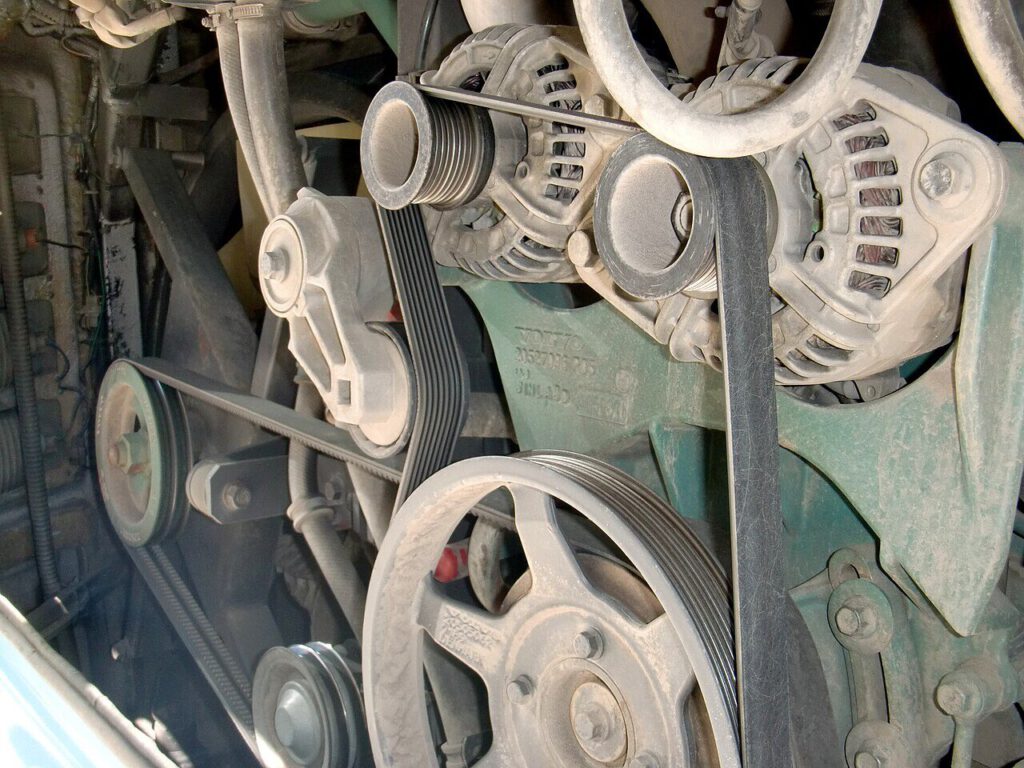
These rubber components work in brutal conditions until they fail catastrophically at the worst possible moment.
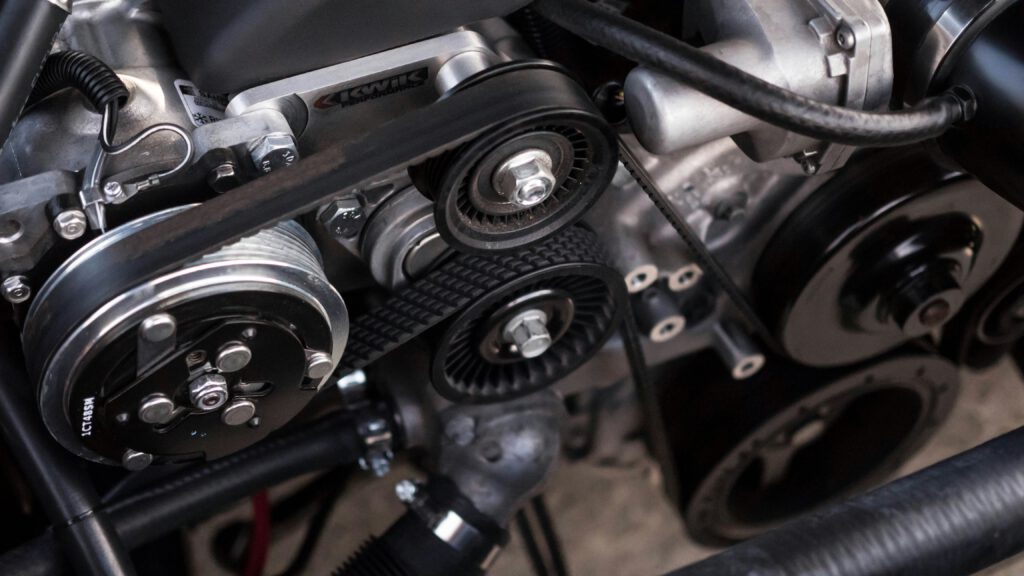
Monthly inspections of your serpentine belt for cracks, fraying, or glazed sections can prevent roadside breakdowns. When the belt fails, you instantly lose power steering, alternator charging, and potentially water pump operation.
Squeeze hoses when the engine is cool—they should feel firm, not mushy or rock-hard. Serpentine belts need replacement every 40,000 miles, timing belts every 60,000 miles. Early detection beats emergency roadside repairs.
3. Engine Warm-Up and Cold Start Procedures
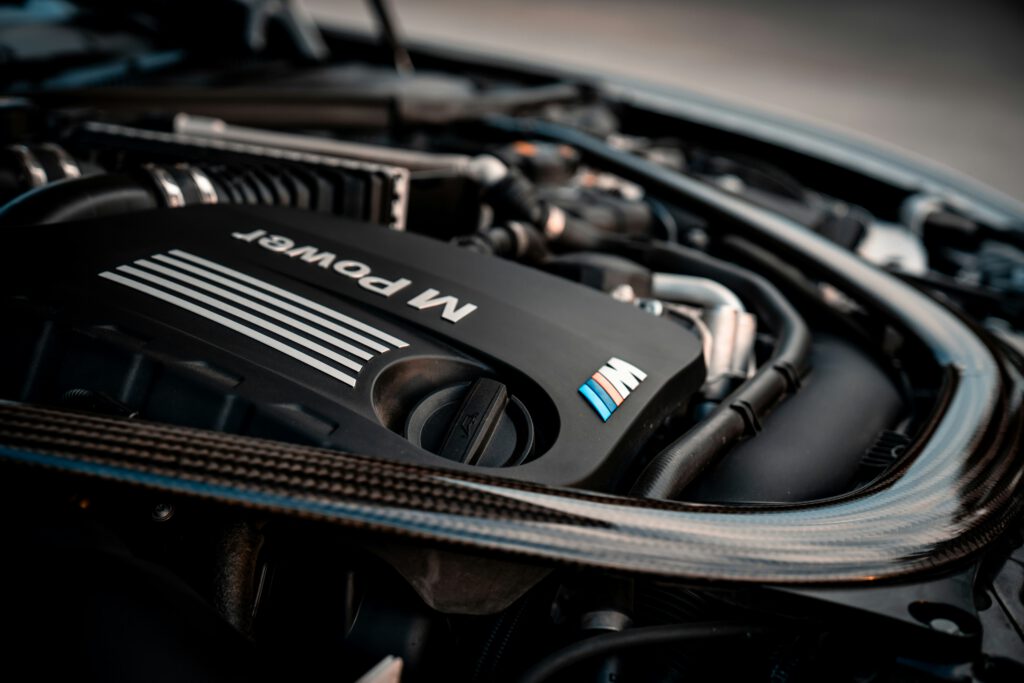
Blasting the heater immediately after cold start steals heat from an engine desperately trying to warm up.
Car heaters draw heat directly from engine coolant, acting like external cooling systems during critical warm-up periods. Let the temperature gauge climb at least a quarter before turning on heat.
Wait 30–60 seconds after cold start for oil circulation before driving gently. All oil drains to the pan when sitting; revving during this period causes metal-on-metal contact between critical components with minimal oil protection.
2. Short Trip Engine Damage Prevention
Short trips create water vapor that condenses in the crankcase, diluting oil into corrosive sludge.
Every cold start produces water vapor that needs 15–20 minutes of driving to evaporate. On short trips, engines never get hot enough, so moisture mixes with oil, creating thin, watery sludge that can’t protect moving parts.
Combine errands into single longer trips, ensuring every engine start results in sufficient driving time. Occasional highway drives clean deposits, purify oil, and allow systems to operate as designed.
1. Seasonal Vehicle Maintenance and Oil Selection

Weather swings between summer heat and winter cold create different challenges requiring adaptive maintenance.
Cold temperatures slow battery chemical reactions while making oil thicker—a brutal combination for starting. The “W” in oil viscosity numbers indicates winter flow rates; lower numbers mean better cold flow.
Harsh winter regions benefit from oils like 0W20 or 5W30 for faster lubrication during cold starts. Summer brings opposite challenges; high temperatures stress cooling systems and thin engine oil, requiring inspection and possible adjustment to heavier viscosities.