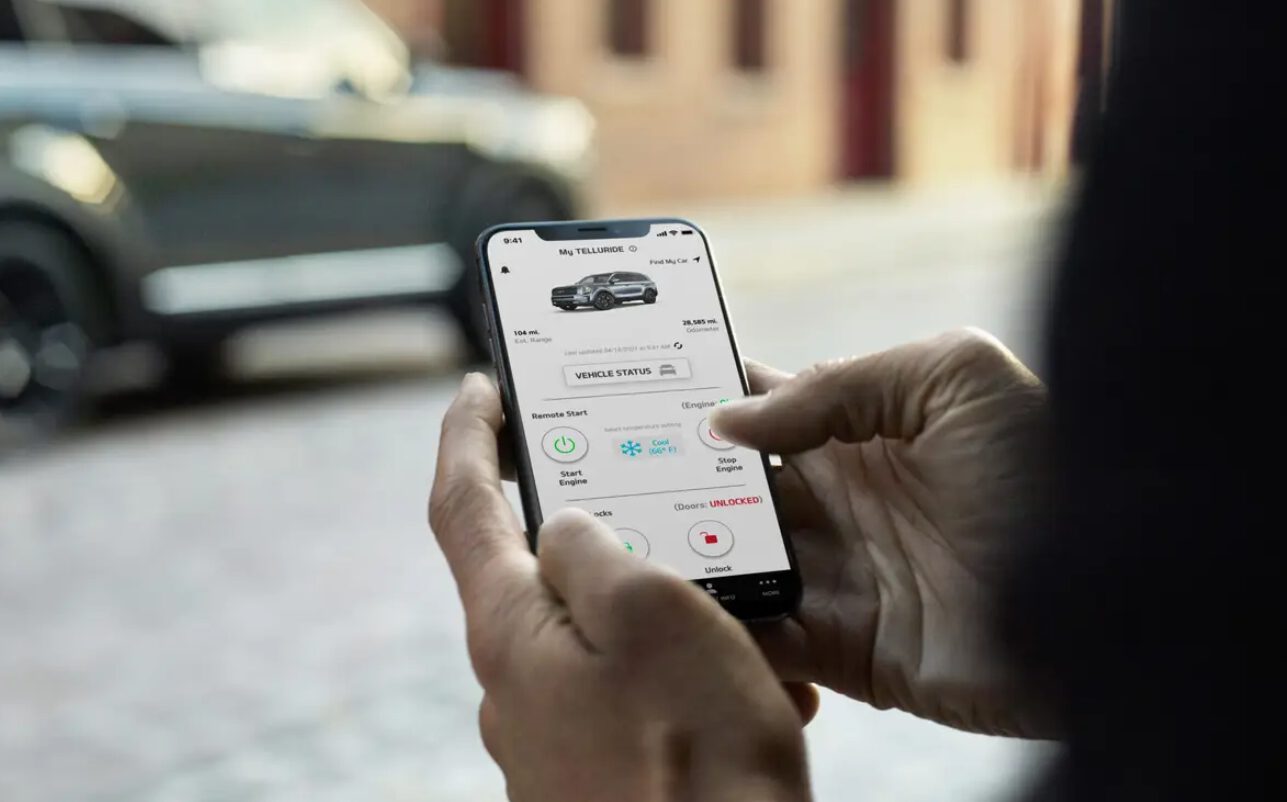
Car companies chase recurring revenue while drivers question paying extra for hardware they already own. Drivers have already endured Netflix raising prices, Spotify premium pushes, and Adobe’s creative suite going subscription-only. Now cars want in on the action. Automakers are aggressively pushing monthly fees for driver assistance features, betting drivers will pay $50-99 monthly for hands-free highway driving and automated parking. Tesla pioneered this with Full Self-Driving at $99 monthly, but the real success story is GM’s Super Cruise, with its growing subscriber base targeting projected revenue of $400 million by 2026.
The Numbers Don’t Lie About Driver Resistance
Survey data reveals exactly how much consumers hate automotive subscription models.
Here’s the uncomfortable truth automakers are discovering: drivers absolutely despise their subscription strategy. Multiple surveys paint a brutal picture—only 35% of Americans will pay for auto subscriptions, while 76% of drivers actively reject these services according to Smartcar research. The resistance runs deeper when considering broader subscription fatigue across digital services. BMW learned this lesson through intense backlash over heated seat subscriptions, ultimately forcing them to reconsider their approach entirely.
The ‘Nickel-and-Dimed’ Problem
Industry experts acknowledge why consumers feel exploited by subscription-based vehicle features.
The frustration stems from a fundamental disconnect in value perception. Drivers are essentially paying monthly rent for hardware that’s already installed in their $40,000+ vehicles. Current Level 2 systems still require constant driver attention, making the value proposition feel questionable when liability remains entirely with the driver. This creates the perception that automakers are extracting additional revenue from features consumers believe should be included with their substantial vehicle purchase.
The Autonomy Promise That Might Change Everything
Higher levels of self-driving capability could justify subscription costs—if they actually arrive.
Despite subscription resistance, demand for hands-free driving technology continues growing, with AutoPacific reporting increased interest in Level 2+ features. Mercedes already offers genuine Level 3 autonomy in select states, while companies target Level 4 capabilities by 2029. The billion-dollar question remains: will cars that actually drive themselves justify ongoing payments, or will consumer resistance force automakers back to one-time purchase models? The answer will likely determine whether subscription-based automotive features become industry standard or cautionary tale.