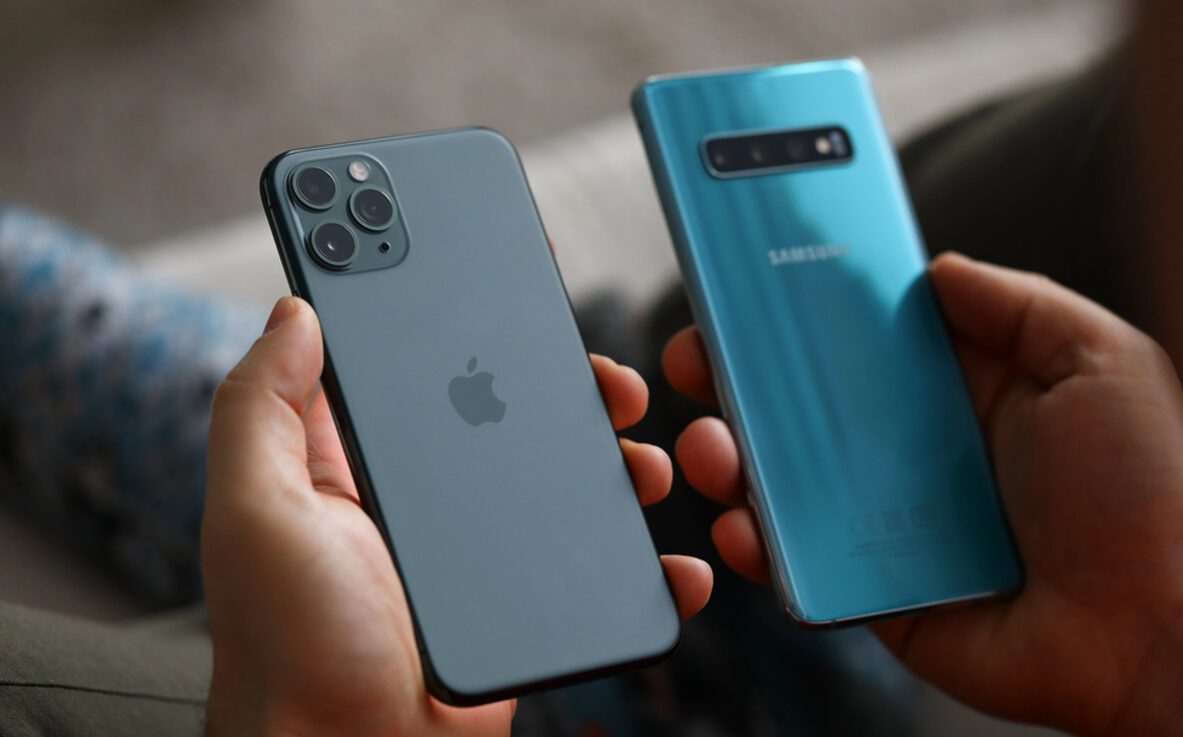
Dead battery anxiety hits different when you realize the repair will cost more than a monthly car payment. Your iPhone’s screen replacement might demand $329, while that Samsung Galaxy repair shop visit could drain your weekend budget faster than a TikTok binge session. Now there’s data backing up what you’ve suspected: the brands dominating your pocket are systematically terrible at letting you fix their products.
The Repair Report Card Nobody Asked For
Apple earned a D- while Samsung managed only a D in comprehensive repair assessments.
The US PIRG Education Fund’s “Failing the Fix 2026” report evaluated 105 smartphones using EU EPREL criteria—spare parts availability, required tools, repair information access, software support duration, and actual repair complexity. Apple barely avoided the lowest possible grade, while Samsung scored marginally better despite both companies commanding massive global sales.
According to PIRG, “Samsung and Apple phones are more difficult to repair than those from other makers.” Motorola topped the rankings with B+, followed by Google’s Pixel line at C-.
Laptops Tell a Similar Story
Apple ranks last in laptop repairability while Samsung shows moderate improvement.
Laptop assessments using French repairability indices placed Apple at the bottom with C-, though Samsung managed B—three spots higher than its smartphone performance. Asus claimed the top B+ ranking.
The recurring issues plague familiar territory:
- Excessive adhesives
- Proprietary screws
- Limited repair documentation
- Software restrictions that tie hardware to specific components
The Contradiction Nobody Talks About
Independent repair experts sometimes reach different conclusions about the same devices.
Here’s where things get interesting: iFixit scored the iPhone 16 at 7/10 for improved battery and screen swaps, while rating Samsung’s Galaxy S26 at 9/10 for modularity and battery accessibility. These contrasting scores highlight how different evaluation criteria—EU regulatory compliance versus teardown practicality—can paint vastly different pictures of the same product’s repairability.
Regulation Forces the Conversation
EU mandates since June 2025 require repair labels and extended parts access.
European regulations now force manufacturers to provide repair labels, guarantee parts availability, and extend software support timelines. The PIRG report specifically penalized companies opposing right-to-repair legislation, connecting poor repairability scores to increased e-waste and environmental damage.
You’re witnessing the beginning of a regulatory shift that could transform how companies design products—or at least how they market them to environmentally conscious consumers and help you save hundreds.
Your next phone purchase just got more complicated, but also more empowering.