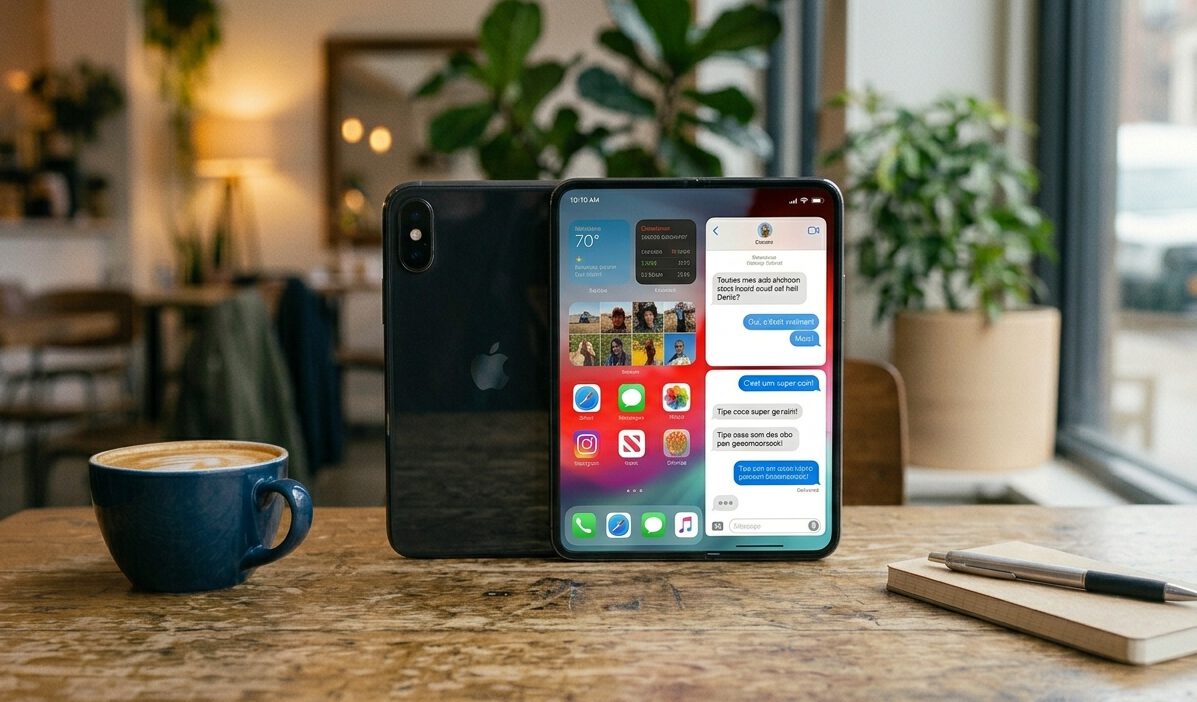
Apple’s shares tumbled 4% after reports surfaced that engineering problems are threatening the company’s first foldable iPhone timeline—and your upgrade plans just got more complicated
Complex technical issues during test production could delay the book-style iPhone beyond its September 2026 target.
The problems run deeper than Apple anticipated, according to Nikkei Asia sources familiar with the matter. What started as routine test production at Foxconn has revealed engineering challenges that could push the foldable iPhone launch from September to December 2026—or later.
Suppliers have already received notifications about possible component production schedule shifts, with April and May marking critical months for fixes. This isn’t just about missing a deadline; it’s about Apple’s entire entry strategy into foldables going sideways.
The Technical Reality Behind the Delays
Apple’s ambitious 4.5mm thickness goal and crease elimination requirements are creating unexpected manufacturing hurdles.
You know that annoying crease down the middle of every Samsung Galaxy Fold? Apple wants to eliminate it entirely while achieving a 4.5mm thickness—roughly half the depth of current iPhones. That’s like trying to fold a piece of paper without leaving a mark, except the paper costs $1,200 and needs to survive 200,000 folds.
Sources describe the engineering issues as “more complex than expected,” which in corporate speak translates to “we’re genuinely stuck.” Trial production continues, but each delay burns through Apple’s already narrow launch window.
Samsung and Huawei Are Having a Field Day
Samsung’s seven-year head start and Huawei’s 68.9% China market share highlight Apple’s late-entry risks.
Samsung launched the first commercially viable foldable back in 2019—practically the Paleolithic era in tech years. Huawei dominates China with nearly 70% market share, while Samsung owns the U.S. foldable space. Both companies have refined their designs through multiple generations, achieving 200,000-fold cycle durability that Apple is still chasing.
The foldable market is projected to grow 50% in 2026, but Apple risks arriving at a party where everyone already knows the best dance moves. The company initially planned for 7-8 million foldable units—less than 10% of total iPhone volume—suggesting even Apple recognizes this as a niche play.
What This Means for Your Next Phone
Engineering setbacks could reshape Apple’s 2026 strategy and influence your upgrade timeline.
Apple hasn’t commented on the delays, but the stock market’s reaction says everything. With iPhones driving over half of Apple’s revenue, any hiccup in the pipeline matters—especially when competitors are already shipping mature products. Your September 2026 iPhone 18 Pro might suddenly look more attractive if the foldable gets pushed to December or beyond. The delay also gives Samsung more time to perfect its rumored tri-fold design, potentially making Apple’s book-style approach feel dated before it even launches.