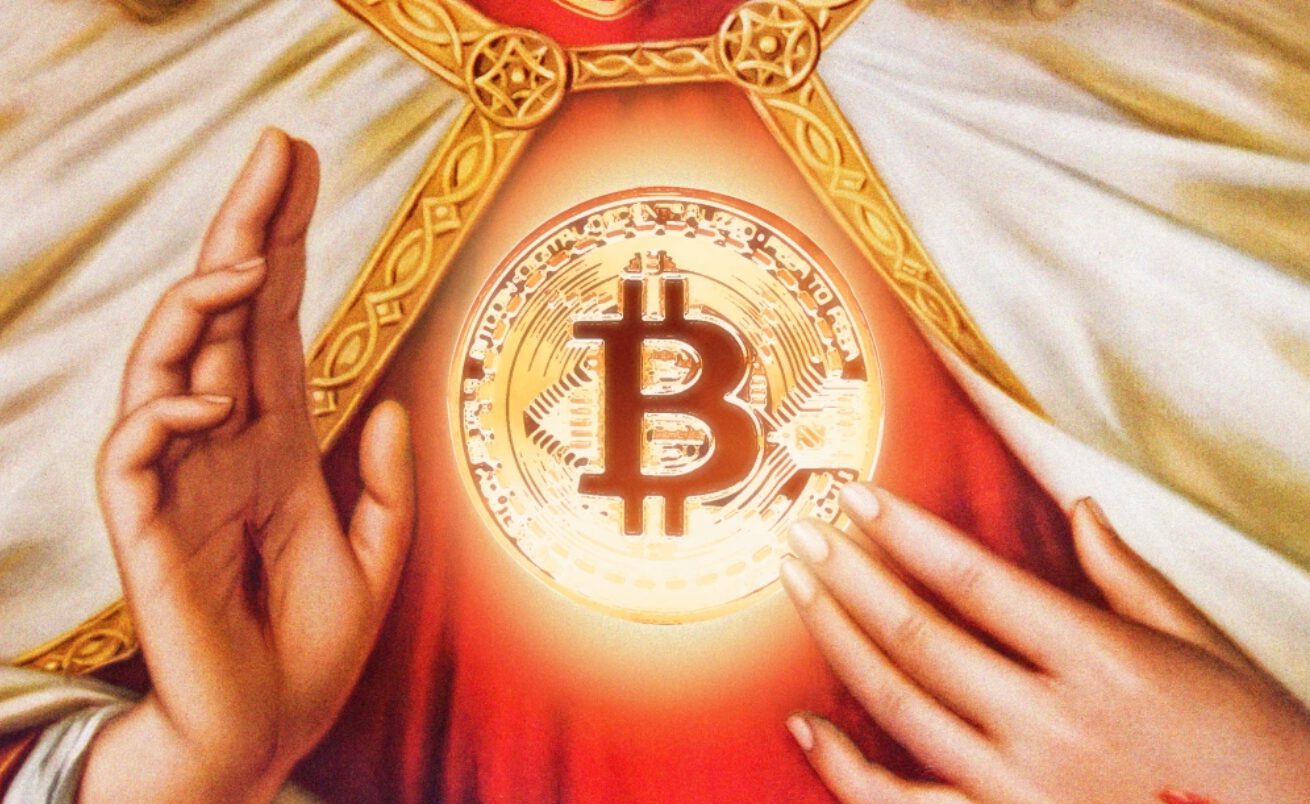
Faith-based financial planning just got a cryptocurrency upgrade. Traditional banking feels increasingly risky to conservative Christians worried about “de-banking” over political beliefs, making Bitcoin’s promise of financial sovereignty especially appealing. What started as tech-bro speculation has evolved into Sunday school curriculum, complete with theological justifications and Trump-era political alignment.
Digital Disciples Driving the Movement
Modern evangelists are trading pulpits for podcasts, spreading the crypto gospel through radio waves and church workshops.
Nashville radio hosts Todd and Janet Gatewood launched “God, Freedom and Bitcoin” on Supertalk 99.7 WTN, blending cryptocurrency education with conservative politics every Saturday night. Janet presents Bitcoin workshops to Catholic priests and Christian private schools, helping churches establish strategic crypto reserves.
Meanwhile, Christian entrepreneur Michelle Renee charges $499 annually for VIP memberships providing cryptocurrency watchlists and Telegram communities, opening workshops with affirmations like “This money is mine.” Her approach? Frame market crashes as divine buying opportunities: “We like when the markets are red.”
Bitcoin developer Jimmy Song, with over 354,000 followers, positions cryptocurrency as believers’ “opt out” from Federal Reserve monetary policy. His message resonates with evangelicals who supported Trump’s crypto-friendly policies and fear institutional hostility toward their values.
Prosperity Gospel Meets Blockchain Technology
Traditional Protestant wealth theology finds new expression in digital assets, though theological tensions persist.
This movement operates within established Protestant theology emphasizing marketplace success as divine favor. Some Christians interpret cryptocurrency through end-times prophecy, though others worry Bitcoin represents “the mark of the beast.” The theological spectrum spans from practical stewardship to prosperity gospel messaging that scholars warn creates exploitation risks.
Christian financial expert Dave Ramsey remains skeptical, comparing crypto to “Beanie Babies“ speculation and questioning callers who attribute investment decisions to divine guidance. His pushback highlights theological tensions within evangelical communities evaluating digital assets.
Volatility Tests Faith-Based Investing
Market crashes become buying opportunities for believers who view downturns as divinely orchestrated sales events.
Bitcoin’s 45% decline from $126,000 to $69,000 between October 2025 and February 2026 didn’t shake true believers. Workshop attendees like 72-year-old Dorothy Hill viewed the crash as opportunity rather than warning, while others adopted multi-year holding strategies. However, fraud remains a serious concern—a Colorado pastor faces 2026 trial for allegedly using Bible verses to market worthless cryptocurrency, with investors losing over $3 million.
The intersection of faith and digital finance reflects broader cultural shifts where Trump’s “crypto president” positioning aligns with evangelical political preferences. Whether this represents sound theology or prosperity gospel repackaging, Christian cryptocurrency adoption signals how religious communities adapt traditional values to emerging technologies. Your Sunday offering plate might never look the same.