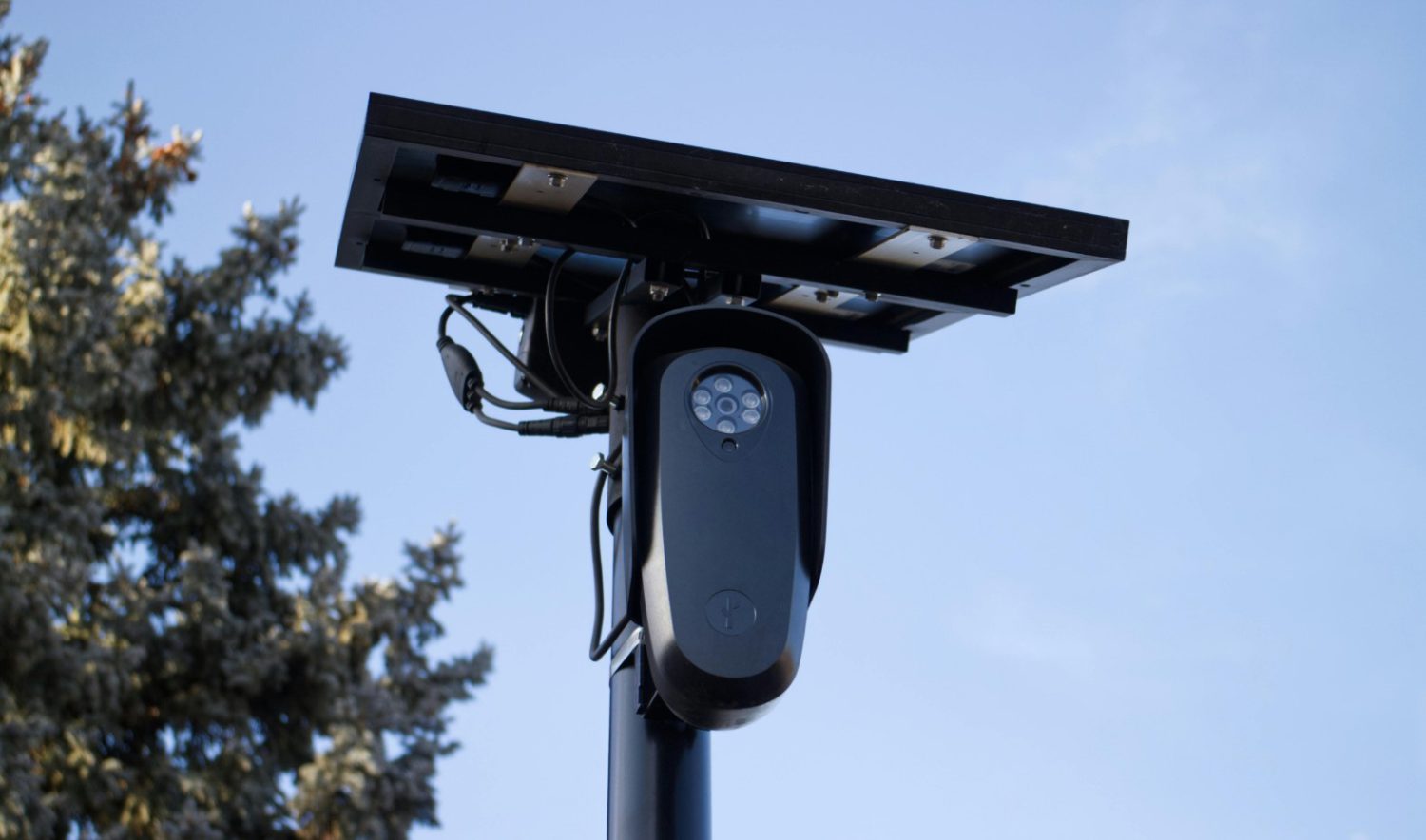
Home security cameras protect your property, but they just enabled the largest domestic Bitcoin theft on record. Ping Fai Yuen’s estranged wife Fun Yung Li allegedly used their own CCTV system to record him entering his Trezor hardware wallet seed phrase, then drained 2,323 Bitcoin worth $172 million at today’s prices. The August 2023 theft unfolded like a techno-thriller gone domestic.
When Your Safe Room Becomes the Crime Scene
Hardware wallets promise hack-proof storage, yet domestic surveillance bypassed every digital safeguard.
Li and her sister reportedly watched Yuen input his recovery phrase through home surveillance footage, then transferred the Bitcoin across 71 blockchain addresses before going dormant last December. Your hardware wallet’s military-grade encryption meant nothing when the threat came from inside the house—literally watching over your shoulder through cameras you installed yourself.
Yuen’s eldest daughter warned him of the theft intent, prompting him to install audio surveillance. The recordings allegedly capture Li discussing Bitcoin cashout challenges, including explaining large sums to banks and potential Hong Kong money laundering concerns.
Courts Grapple With Digital Asset Reality
UK judges just set precedent for crypto theft cases, rejecting old property law arguments.
This week’s High Court ruling by Judge Cotter allowed the case to proceed despite legal complexity around digital assets. While dismissing “conversion” claims (since Bitcoin isn’t physical property like your car), the court recognized other theft arguments and requested asset freezes due to Bitcoin’s volatility.
This extends beyond one family’s drama—it’s significant UK precedent treating cryptocurrency as legitimate stolen property worth freezing and recovering. After discovery, Yuen assaulted Li, pleading guilty in 2024 to actual bodily harm, serving jail time before bail.
The Trezor Paradox Exposed
Seed phrases create the ultimate single point of failure in supposedly bulletproof systems.
Trezor devices resist every known digital attack, storing private keys offline in hardened chips. But that 12-24 word recovery phrase? It’s written on paper, typed on screens, spoken aloud during setup. Despite official guidance never to digitize seed phrases, users routinely photograph them, store them in cloud notes, or—as this case proves—enter them within view of recording devices.
Wrench Attacks Go Domestic
Physical security threats now include intimate partners with inside access to your crypto habits.
This case validates warnings about “wrench attacks”—where physical coercion bypasses digital protection. Instead of masked strangers with literal wrenches, the threat came from someone with house keys, camera access, and intimate knowledge of Yuen’s Bitcoin holdings. Your partner knows when you check portfolio balances, where you store backup phrases, and how much crypto stress keeps you awake.