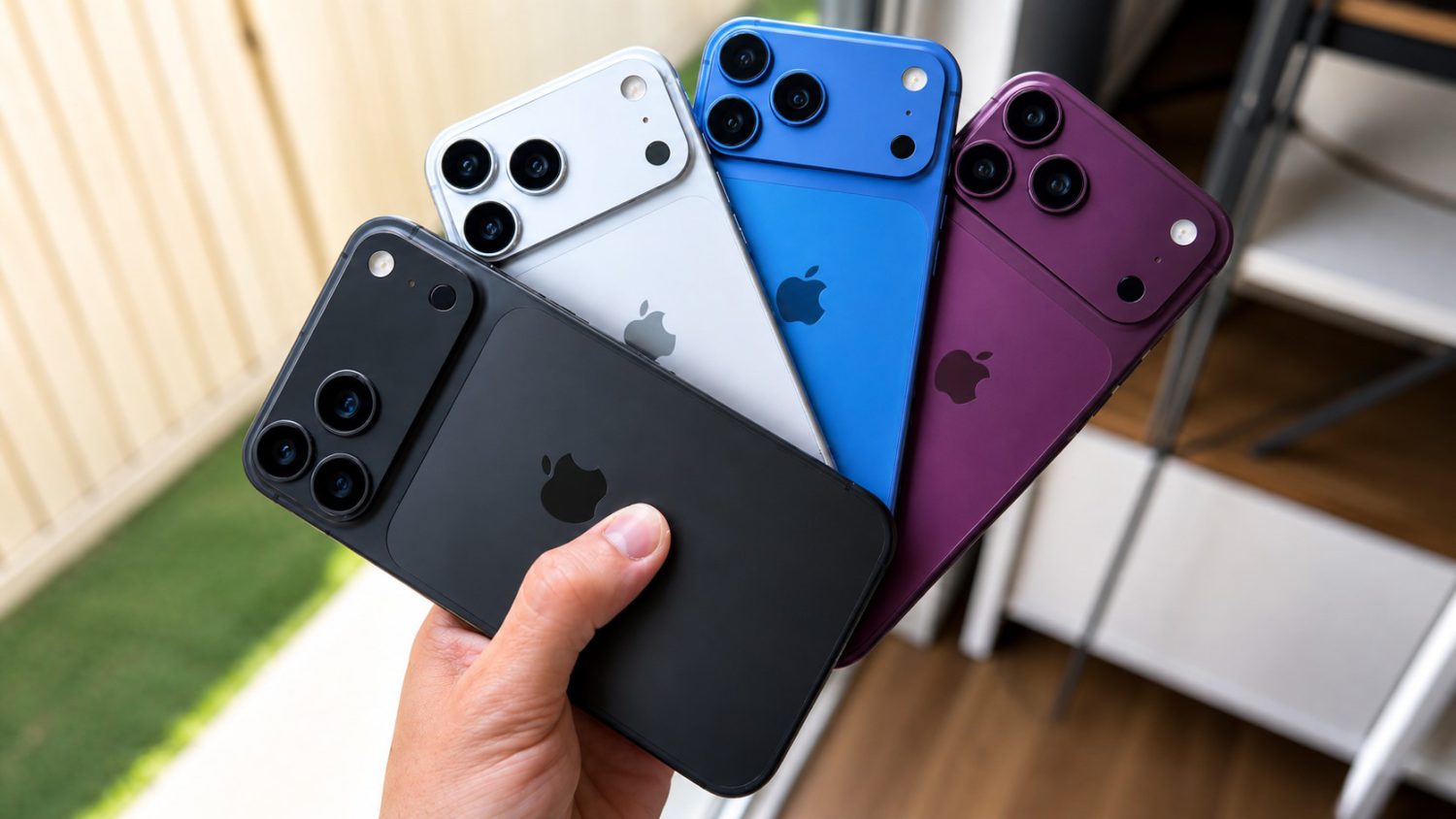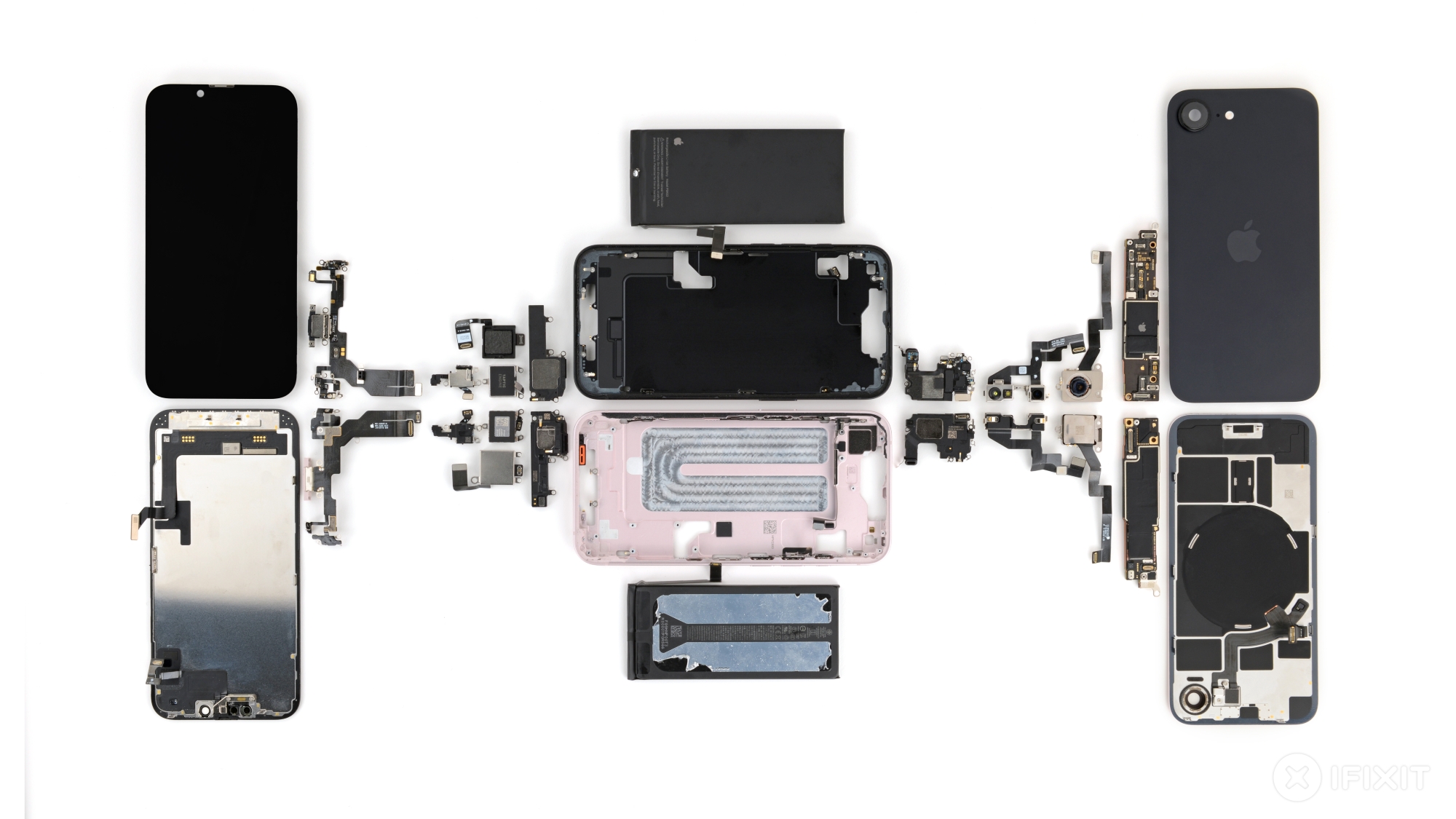
Cracked your iPhone 16e back? The iPhone 17e’s rear panel doesn’t just fix that damage—it adds MagSafe wireless charging to your older device. iFixit’s teardown confirms what repair enthusiasts have been hoping for: near-complete part compatibility between Apple’s budget models that transforms how you think about phone ownership.
Modular Design Makes Repairs Actually Affordable
The iPhone 17e shares nearly identical internal design with the 16e, according to iFixit’s analysis. Logic boards, batteries, cameras, and that crucial MagSafe-equipped rear glass swap seamlessly between generations. Your repair shop suddenly has twice the parts inventory, and you’ve got genuine upgrade options that don’t require buying an entirely new phone.
This isn’t just theoretical—the 15.556 Wh battery transfers directly, complete with electrically debonding adhesive that makes replacement cleaner than your last relationship breakup. Even the dual-entry design remains unchanged, letting technicians access components through either the front display or rear glass.
Hardware Upgrades Hit Where They Count
Apple’s focused the 17e’s improvements on fundamentals rather than gimmicks. The A19 processor replaces the A18, while the new C1X modem promises twice the speed and better power efficiency than previous generations. These aren’t Instagram-worthy upgrades, but they’re the kind that matter during your daily grind.
The MagSafe integration represents the biggest practical change. iPhone 16e users stuck with 7.5W Qi charging can now retrofit 15W Qi2 compatibility by swapping rear panels—though you’ll miss the satisfying software animations that make wireless charging feel intentional rather than accidental.
Reality Check: Some Limitations Apply
Perfect compatibility has boundaries. Swapping TrueDepth cameras between models works for photos but kills Face ID functionality—a significant limitation for security-conscious users. Apple’s Repair Assistant handles most component calibration automatically, but biometric sensors remain locked to their original logic boards.
iFixit’s 7/10 repairability score stays consistent with the 16e, praising the modular approach while criticizing Apple’s continued burial of the USB-C port deep within the logic board. Some repair frustrations persist despite the overall improvement in serviceability.
This modular approach signals Apple’s growing comfort with repair-friendly design, even if it contradicts their upgrade-cycle business model. For budget-conscious users, the iPhone 17e represents something rare in Apple’s ecosystem: genuine long-term value through repairability rather than planned obsolescence.