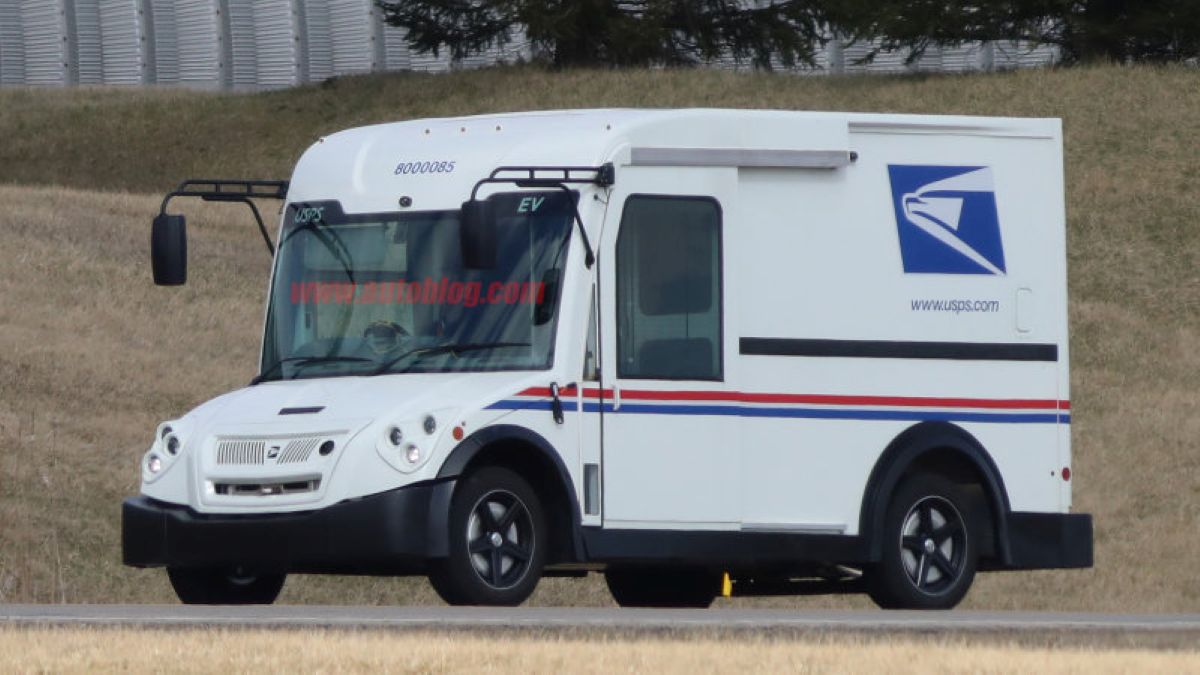
Military contractors excel at building $400 hammers and thousand-dollar toilet seats. Now they’ve mastered the $77,692 electric mail truck.
Oshkosh Defense—a company that specializes in armored vehicles for combat zones—somehow convinced the U.S. Postal Service they were the right choice to deliver your Amazon packages. Their Next Generation Delivery Vehicle costs $22,000 more than comparable commercial electric vans already cruising suburban streets.
Overkill Specifications
When military-grade meets mail routes, costs explode beyond necessity.
The e-NGDV packs a 94 kWh lithium-ion battery delivering 70 miles of range. Sounds reasonable until you realize postal routes average just 12-15 miles daily. That’s like installing a nuclear reactor to power a coffee maker.
Oshkosh equipped these trucks with:
- 360-degree cameras
- Collision avoidance systems
- Durability specs designed for 150,000-mile lifespans in “demanding conditions”
Your mail carrier isn’t dodging IEDs—they’re navigating cul-de-sacs.
The Bosch eAxle motor delivers 150 kW of peak power, enough to haul military equipment, not birthday cards.
Commercial Reality Check
Ford’s E-Transit proves simpler solutions work better for less money.
Meanwhile, USPS quietly bought 9,250 Ford E-Transit vans at roughly $55,000 each. These commercial vehicles offer three times the cargo capacity of the ancient Grumman trucks they’re replacing, plus similar range and reliability.
Ford didn’t reinvent delivery vehicles from scratch. They adapted proven EV technology for commercial use—exactly what government procurement should prioritize. The E-Transit lacks military-grade armor plating, but it excels at the actual mission: moving mail efficiently.
Procurement Politics
Custom builds favor contractors over taxpayers in government tech decisions.
Oshkosh had zero delivery vehicle experience before winning this contract in 2021. Their expertise involved building Mine-Resistant Ambush Protected vehicles, not suburban mail trucks. Yet they beat experienced commercial manufacturers through the Pentagon’s favorite strategy: custom specifications that eliminate competition.
The result? Only 612 e-NGDVs delivered by late 2025 despite $3 billion in spending. Production crawls while USPS deploys thousands of commercial EVs that cost less and work immediately.
Defense contractors optimize for contracts, not efficiency. Government EV adoption doesn’t require military contractors reinventing wheels—it needs bureaucrats buying proven technology that actually delivers mail.