Sitting in traffic for 90 minutes to travel 20 miles is genuinely insane, but electric air taxis launching this summer across 26 states might finally offer an escape. The Federal Aviation Administration announced eight pilot programs allowing companies to carry paying passengers in electric vertical takeoff aircraft that haven’t completed traditional certification—a regulatory shortcut that would’ve been unthinkable five years ago. This isn’t some distant future fantasy anymore; it’s happening in your backyard starting summer 2026.
Coast-to-Coast Operations
From Texas corridors to Florida statewide, eight programs will span 26 states with major backing.
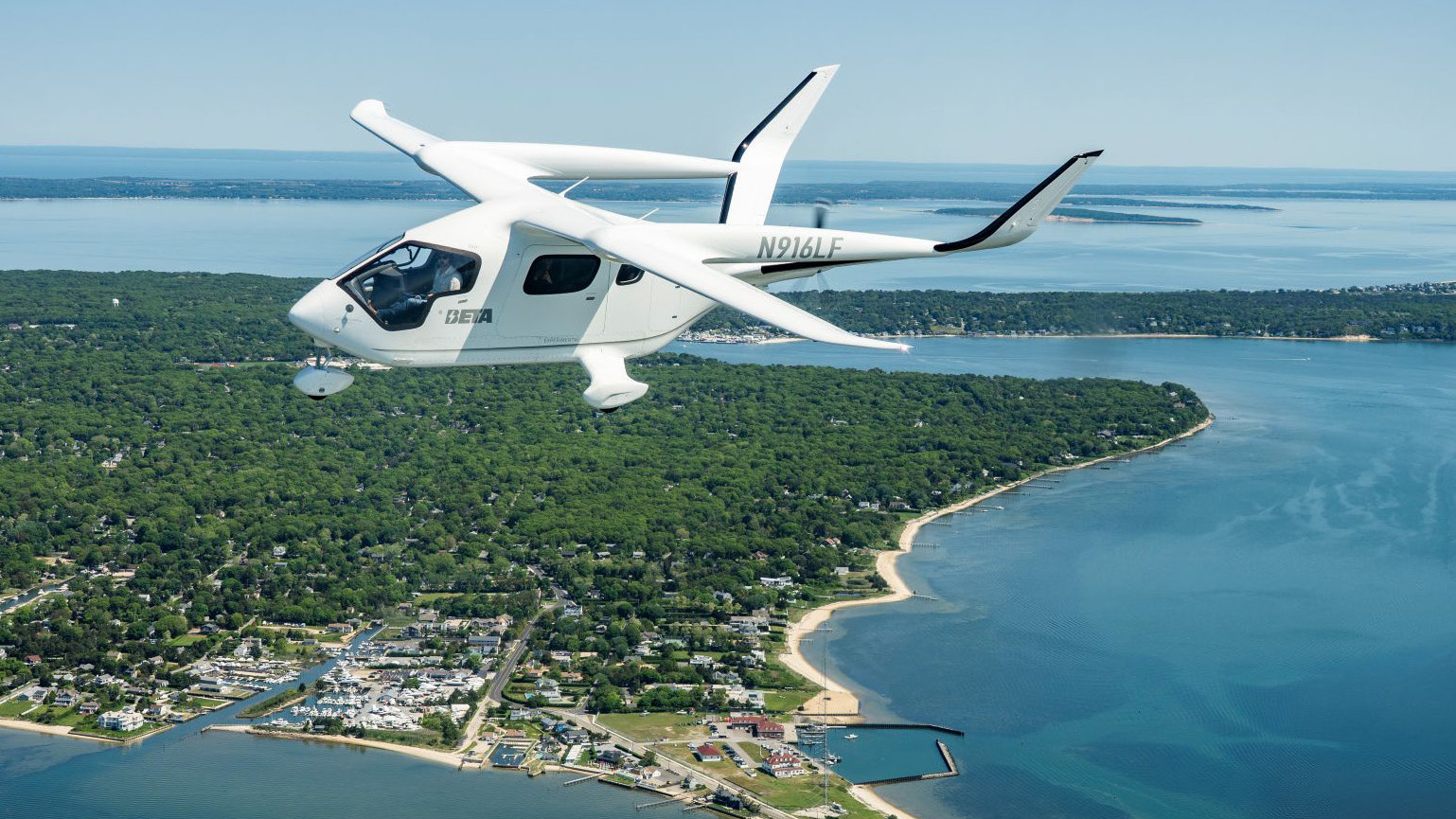
The scope is staggering: Texas will connect Dallas, Austin, and San Antonio with air taxi networks, while Florida launches statewide operations covering everything from cargo delivery to medical response. Pennsylvania coordinates a 13-state regional effort, and New York joins the mix alongside Louisiana’s Gulf operations. Beta Technologies dominated the selection process, landing partnerships in seven of eight programs—their stock jumped 12% on the announcement. The FAA chose these eight from over 30 proposals, prioritizing geographic diversity and operational breadth.
The “Waymo Moment”
Companies are calling this their breakthrough to mainstream adoption, despite regulatory shortcuts.
Archer Aviation’s CEO Adam Goldstein called this “our Waymo moment,” comparing electric aircraft deployment to autonomous vehicles’ gradual public acceptance. The pilot program allows limited commercial operations before full type certification completion—unprecedented in aviation regulation. Beta Technologies CEO Kyle Clark noted they can now “start aircraft operations one year earlier than anticipated.” The FAA maintains participants must actively pursue formal certification, walking a careful line between innovation and safety oversight.
Reality Check on Capabilities
These aircraft carry four passengers for 60-90 minutes and still require human pilots.
Before you start planning scenic commutes above highway gridlock, understand the limitations. Archer’s Midnight aircraft targets short urban hops carrying up to four passengers for 60- to 90-minute flights. Human pilots are mandatory—autonomous operations remain restricted to specific test programs like Albuquerque’s partnership with Reliable Robotics. Revenue operations face strict limitations, with only certain cargo flights permitted “under specific circumstances” on a case-by-case basis.
Market Response and International Pressure
Wall Street celebrated while China’s EHang already operates certified passenger aircraft commercially.
Public markets responded enthusiastically, with Archer and Joby stocks climbing alongside Beta’s 12% surge. The urgency becomes clear when you consider international competition: China’s EHang obtained full type certification and deploys passenger aircraft commercially, while Dubai partnered with Joby for 2026 operations. The Trump administration’s deregulation push accelerated these timelines from the previous 2028 target.
Your city’s transportation landscape could fundamentally change within three years, but infrastructure reality lags behind regulatory enthusiasm. Vertiports need construction, charging networks require installation, and air traffic protocols need updating. The question isn’t whether electric air taxis will transform urban mobility—it’s whether your metro area can build the infrastructure fast enough to keep pace with regulatory ambition.