The gap between promise and reality rarely gets a $70 billion price tag. Nvidia pledged up to $100 billion for OpenAI in September 2025, then invested just $30 billion when February’s $110 billion funding round arrived. CEO Jensen Huang just made it official at a Morgan Stanley conference Wednesday: you won’t see that full commitment materialize.
IPO Timeline Drives Investment Strategy
OpenAI’s anticipated year-end public offering changes Nvidia’s calculus entirely.
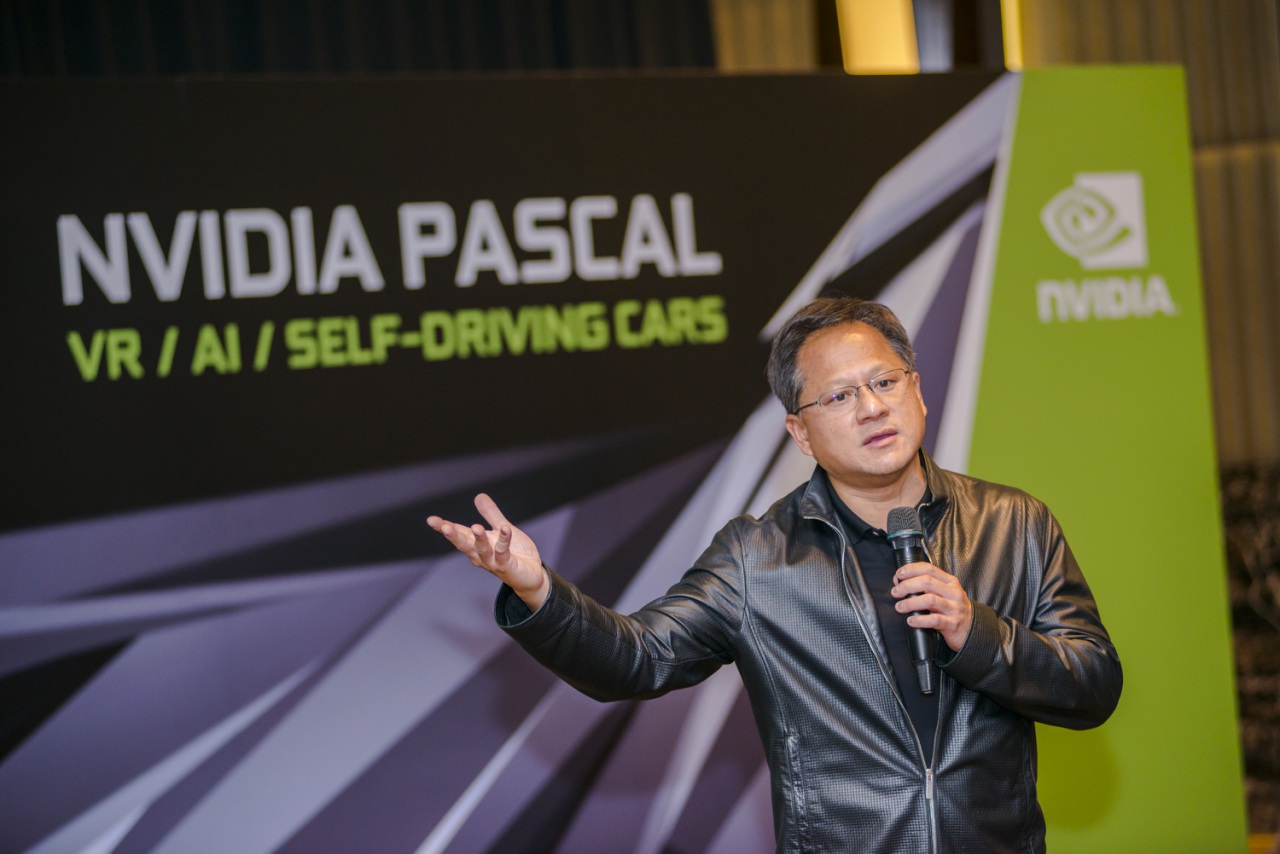
Speaking at the conference on March 5, Huang cited OpenAI’s looming IPO as the primary brake on deeper investment. “This is probably the last time we’ll have the opportunity to invest in a consequential company like this,” he explained, framing the current moment as a closing window rather than an open checkbook. The logic tracks like a Netflix series getting axed before its final season—once OpenAI goes public, institutional investors replace strategic partners.
Pattern Extends Beyond OpenAI
Huang applies similar investment caps across Nvidia’s AI portfolio companies.
The $30 billion OpenAI investment wasn’t an isolated decision. Huang indicated that Nvidia’s $10 billion stake in OpenAI rival Anthropic represents the “last” investment there too, as Anthropic similarly prepares for public markets. This suggests a systematic shift in how Nvidia approaches pre-IPO AI companies—get in early, establish partnerships, then step back before valuations potentially crater in public markets.
Market Reads Between the Lines
Investors initially feared relationship deterioration, despite Huang’s continued praise.
The investment shortfall initially spooked markets, raising concerns about fractures in the Nvidia-OpenAI partnership. But Huang’s recent characterization of OpenAI as producing “incredible” work on January 31 suggests strategic restraint rather than relationship damage. His Wednesday appearance lifted Nvidia shares 2.6%, as investors interpreted the measured approach as prudent capital allocation rather than sour grapes.
Defending Against Bubble Accusations
Huang argues current AI infrastructure deployment reflects genuine demand, not speculation.
When pressed about AI bubble concerns, Huang pointed to Microsoft and other data center operators generating immediate returns from AI chips. His argument: companies would deploy three times their current capacity if available, indicating supply constraints rather than demand weakness. Translation: the infrastructure buildout isn’t speculative excess but infrastructure catching up to proven use cases.
This strategic pullback signals AI investment maturity. You’re watching the transition from venture-style bets to calculated partnerships as companies prepare for public market scrutiny and Nvidia positions itself for sustainable returns rather than maximum exposure.