Rice University researchers slash electronic temperatures by 23°C with scalable diamond layers. Heat destroys electronics faster than a TikTok trend dies, throttling processors and draining batteries when temperatures climb.
Rice University scientists just delivered a breakthrough that could change everything: diamond cooling layers grown directly onto electronic components, dropping operating temperatures by a substantial 41°F.
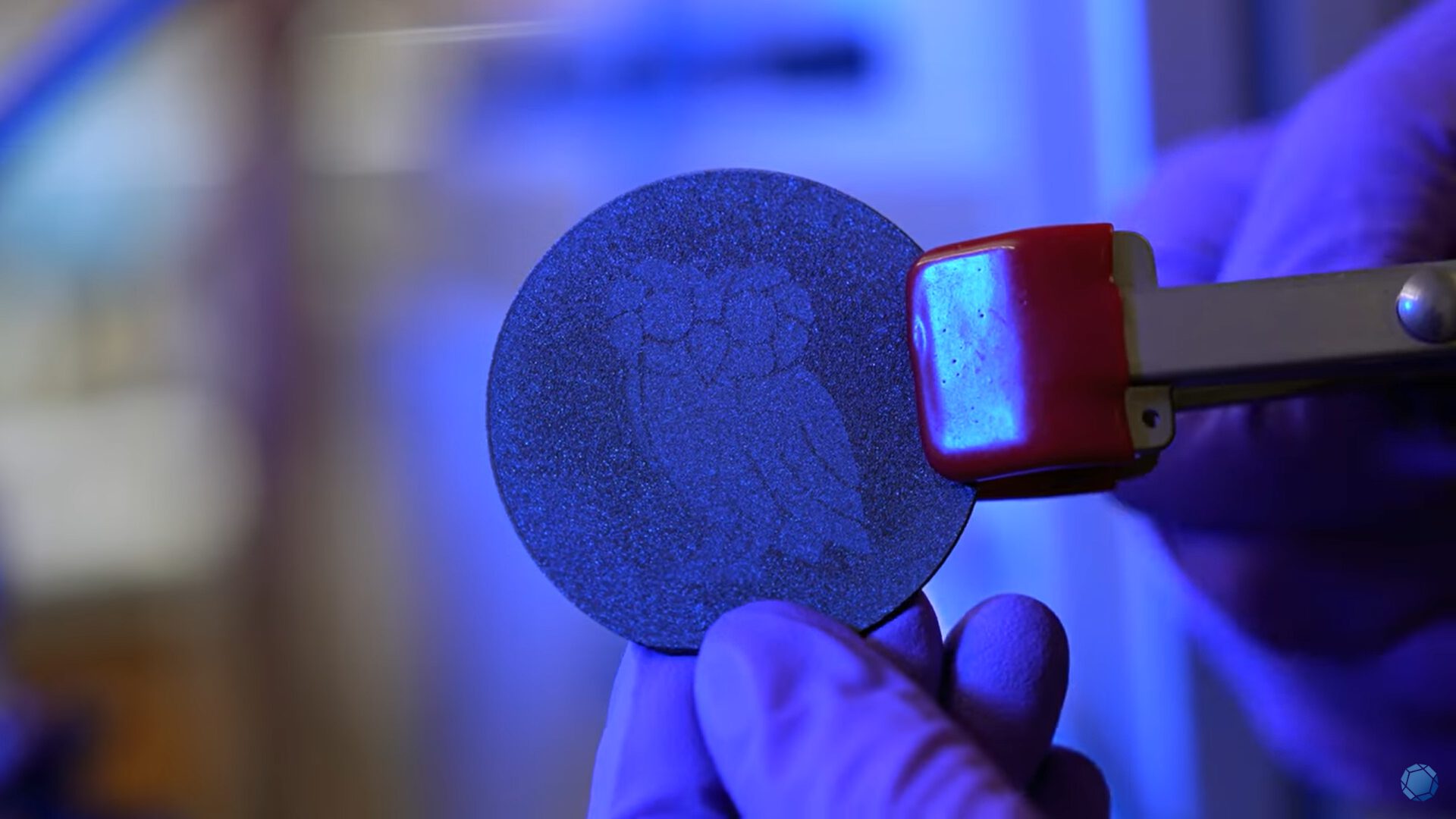
The breakthrough emerged from an unexpected place. Researchers were creating decorative diamond “owl” patterns (Rice’s mascot) for visitors when they realized their technique could revolutionize thermal management.
Using microwave plasma chemical vapor deposition paired with photolithography, they developed a scalable method to grow patterned diamond surfaces on 2-inch wafers—compatible with silicon and gallium nitride substrates that power your devices.
From lab curiosity to consumer salvation
The bottom-up approach overcomes traditional diamond manufacturing limitations.
“In the world of electronics, heat is the enemy,” states Xiang Zhang, assistant research professor of materials science and nanoengineering at Rice. “A reduction of 23°C is significant—it can extend the lifespan of a device and allow it to run faster without overheating.”
Traditional diamond shaping requires cutting and polishing, damaging the material’s thermal properties. This bottom-up nucleation process deposits carbon atoms precisely where needed, creating functional cooling layers without compromise.
The implications stretch beyond keeping your laptop comfortable. AI processors, 5G hardware, and data center equipment generate enormous heat loads that limit performance and efficiency.
Lead researcher Pulickel Ajayan emphasized the practical impact: “We have found a scalable, effective way to integrate diamond cooling into electronics…heat limits battery life of your phone and speed of your computer.”
Diamond-powered future incoming
DARPA funding signals serious industry potential for mass production.
This isn’t academic speculation anymore. The study, published in Applied Physics Letters and funded by DARPA, NSF, and the Army Research Office, represents a pathway to mass production.
Researchers are perfecting diamond-electronics bonding for next-generation transistors that could handle previously impossible power loads without thermal breakdown.
Your next smartphone might not just survive intensive AI processing—it could thrive in conditions that would cripple today’s devices. Diamond cooling transforms heat from a limiting factor into a solved problem, promising gadgets that maintain peak performance regardless of workload intensity.