The 1980s delivered a glorious decade where automotive engineers, like DJs sampling beats, remixed existing tech into something groundbreaking. While everyone drooled over Lamborghinis and Ferraris, some under-appreciated gems quietly revolutionized the driving experience, proving innovation doesn’t always need flashy exteriors. These aren’t poster cars; they’re unsung heroes whose features anyone with a modern ride takes for granted. Selected for their ahead-of-their-time tech and lasting impact, each car reminds us that sometimes the most groundbreaking changes come in the most unassuming packages.
5. Subaru Leone (Exterior)
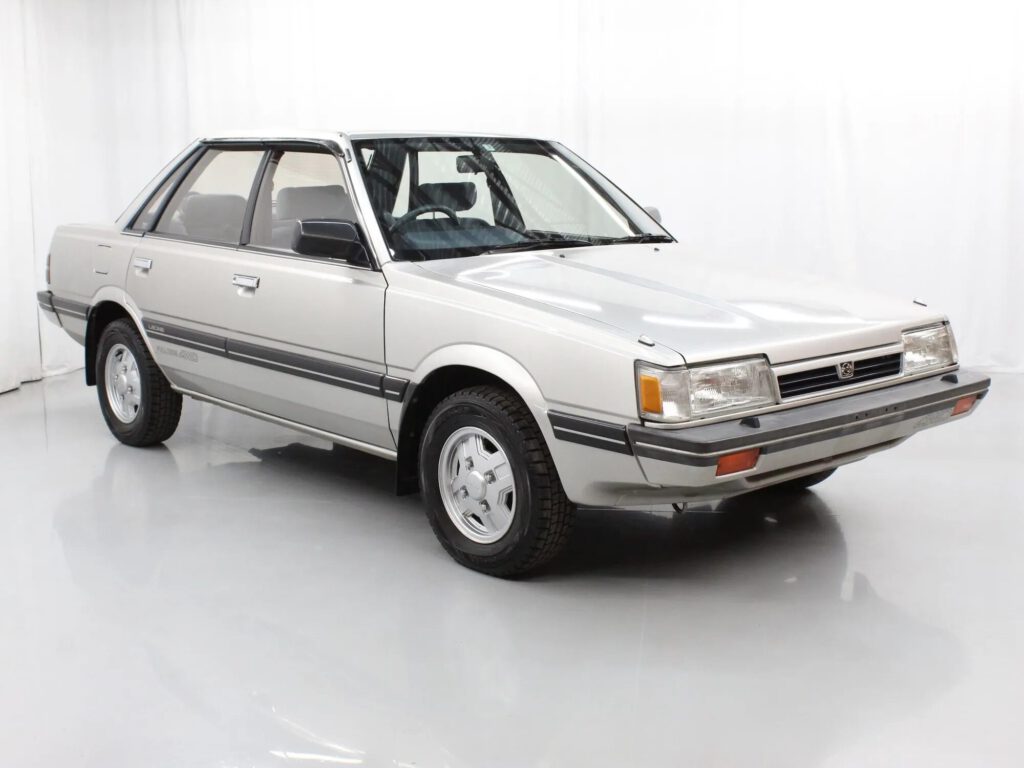
The sedan that brought all-wheel drive to the masses without breaking the bank.
The automotive landscape of the early 1980s featured boxy sedans everywhere. The Subaru Leone dared to be different by offering affordable, full-time all-wheel drive for the masses. No longer was AWD confined to trucks lumbering off-road.
Subaru Leone (Interior)
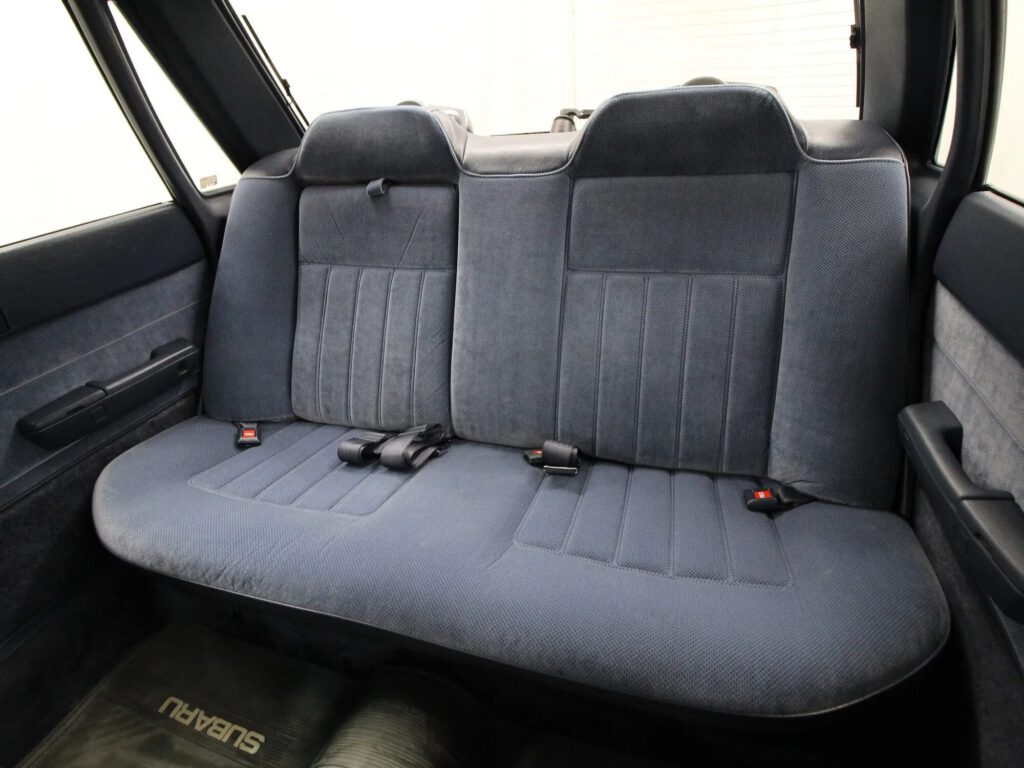
Navigating slick city streets after surprise downpours became effortless. The Leone’s system worked on dry pavement, unlike those truck systems that would bind up and make drivers look like demolition derby auditions. Subaru democratized all-wheel-drive, revolutionizing both accessibility and reliability when other manufacturers were still scratching their heads. Consider it the automotive equivalent of putting the internet in everyone’s pocket—everyone benefits.
4. Audi 100 C3 (Exterior)
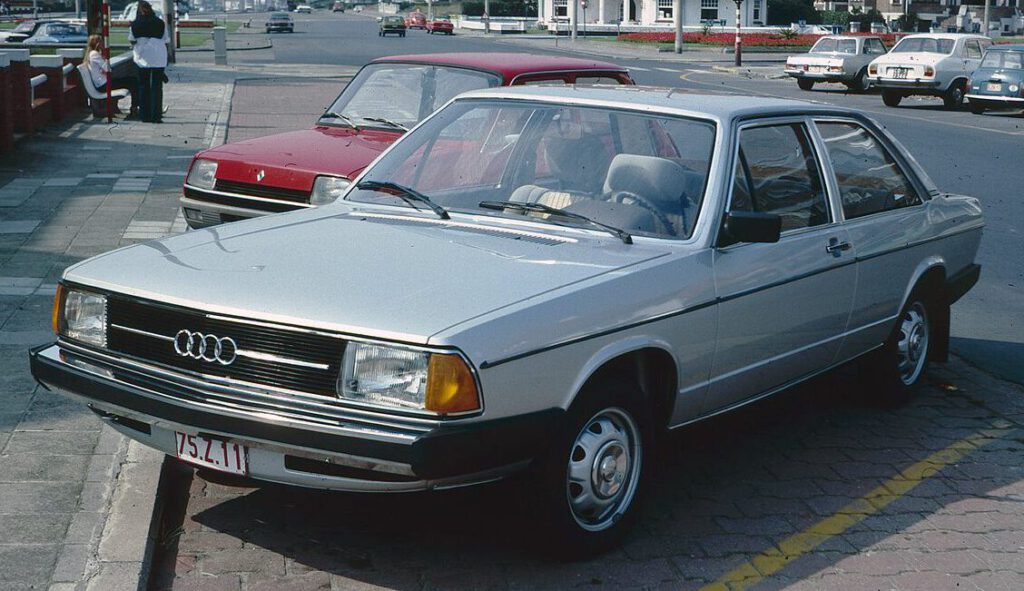
Wind-tunnel wizardry wrapped in a galvanized body that laughed at rust.
Experts claimed it had “superior fuel economy at highway speeds compared to pricier rivals,” so the Audi 100 C3 wasn’t just another boring box. The wind-tunnel-optimized aerodynamics included flush door handles and even an integrated antenna—try finding that attention to detail on any neighbor’s SUV. This was automotive equivalent of wearing a perfectly tailored suit in a world of sweatpants.
Audi 100 C3 (Interior)
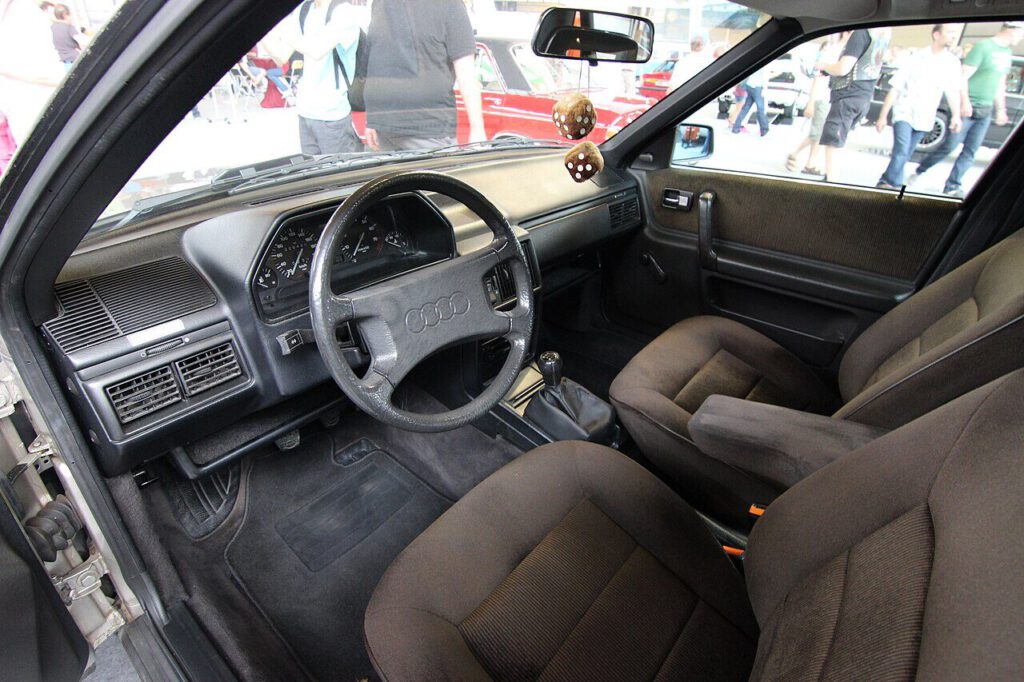
Battling headwinds on the autobahn while fancy Porsche buddies burned through fuel like it was free, the C3 cruised past with cash to spare. A galvanized body promised rust resistance—serious foresight, since most cars from that era dissolved faster than a TikTok trend. The Audi 100 C3 didn’t just get there; it arrived with quiet competence that made others green with envy.
3. Nissan Maxima (Exterior)
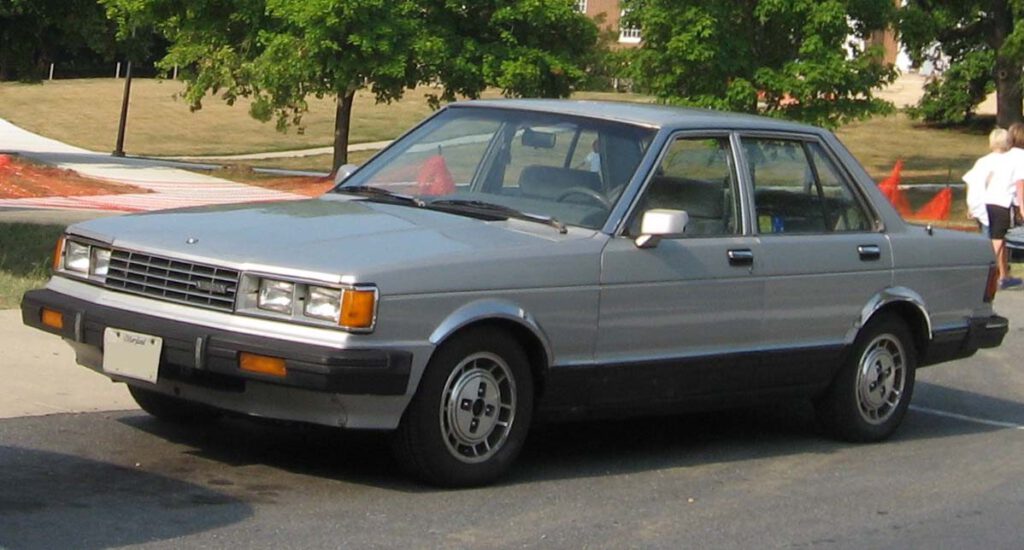
The family sedan that time-traveled from the 1990s with tech to prove it.
The 1985 Maxima packed tech so advanced, it practically time-traveled from the future. Forget carburetors—Nissan threw in fuel injection for smoother performance, like swapping dial-up for broadband. Variable valve timing meant the engine could breathe easier, sort of like discovering yoga for cars.
Nissan Maxima (Interior)
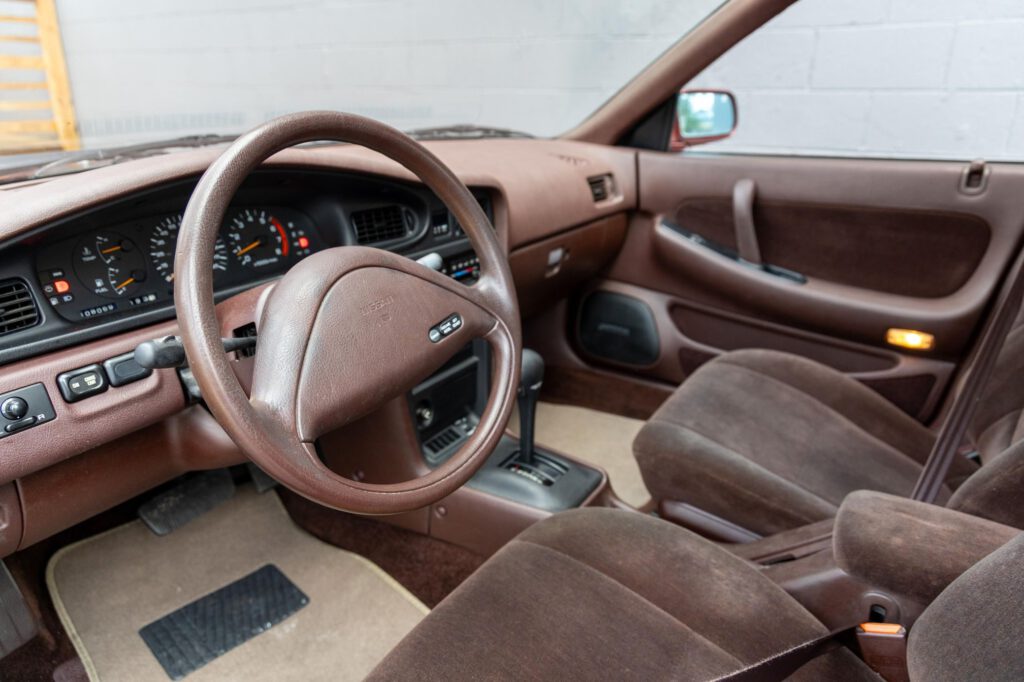
The digital dashboard came complete with voice alerts—imagine Siri with a distinctly Japanese accent and a penchant for reminding about fuel levels. Cruising down highways with windows down while the Maxima politely announced, “Hey buddy, gas is getting low,” wasn’t just transportation; it was a rolling tech demo that made other sedans look ancient.
2. Volkswagen Passat B3 (Exterior)

Reliable engineering wrapped in refrigerator-on-wheels styling that actually worked.
The Volkswagen Passat B3, released in 1988, aimed to solve a common problem: building reliable family cars that didn’t handle like tanks. With its low center-of-gravity design, this “people’s car” offered surprisingly nimble handling, making it more fun than competitors. Taking kids to soccer practice became enjoyable instead of feeling like piloting a barge.
Volkswagen Passat B3 (Interior)
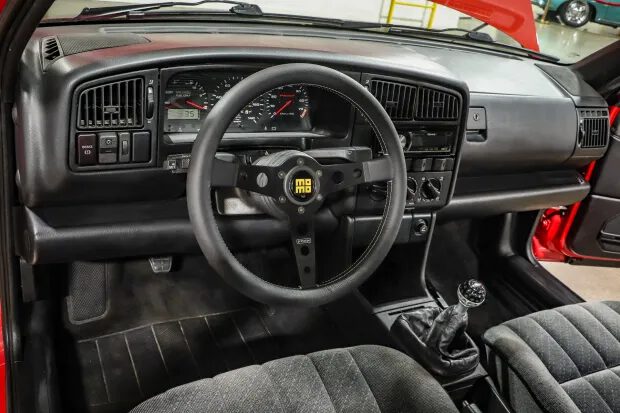
The exterior styling wasn’t winning beauty contests—the B3 looked like a refrigerator on wheels. However, the Passat B3 delivered where it counted with reliable head gaskets, a godsend for owners who didn’t want weekends spent wrestling with busted engines. Sometimes boring really was better.
1. Honda Prelude (Exterior)
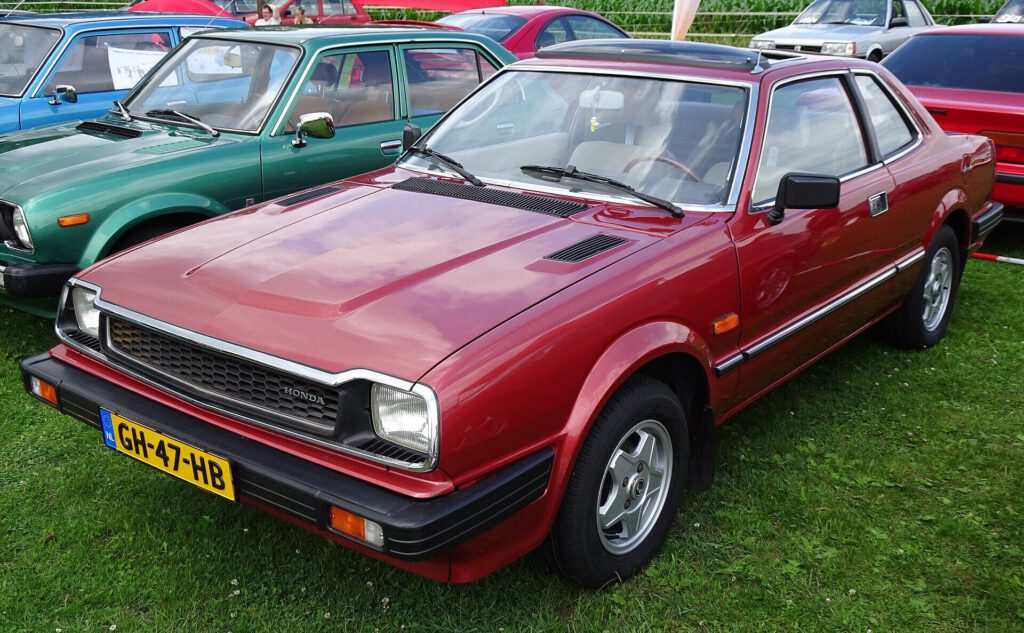
Four-wheel steering that made parallel parking almost enjoyable and highway cruising rock-solid.
Four-wheel steering debuted in cars like the 1984 Honda Prelude, promising enhanced low-speed maneuverability and high-speed stability. For anyone who’s attempted parallel parking a land yacht, the appeal was obvious. Zipping through city streets, dodging clueless tourists, then hitting open highways with the same car seemed almost too good to be true.
Honda Prelude (Interior)
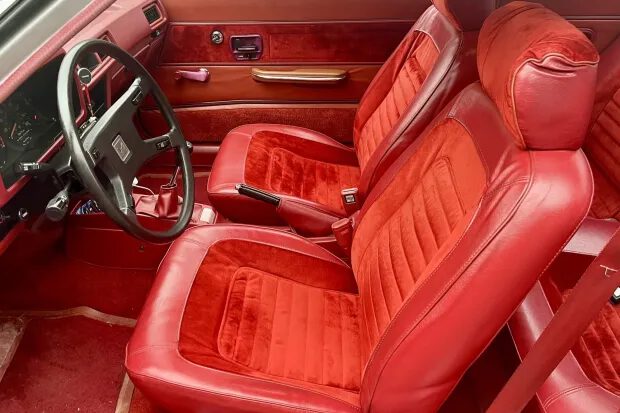
Four-wheel steering meant enhanced stability, not an invitation to star in the next Fast & Furious flick. The Prelude delivered practical innovation wrapped in sporty styling that actually made sense—a rare combination that proved boring cars could be brilliantly engineered without the drama.