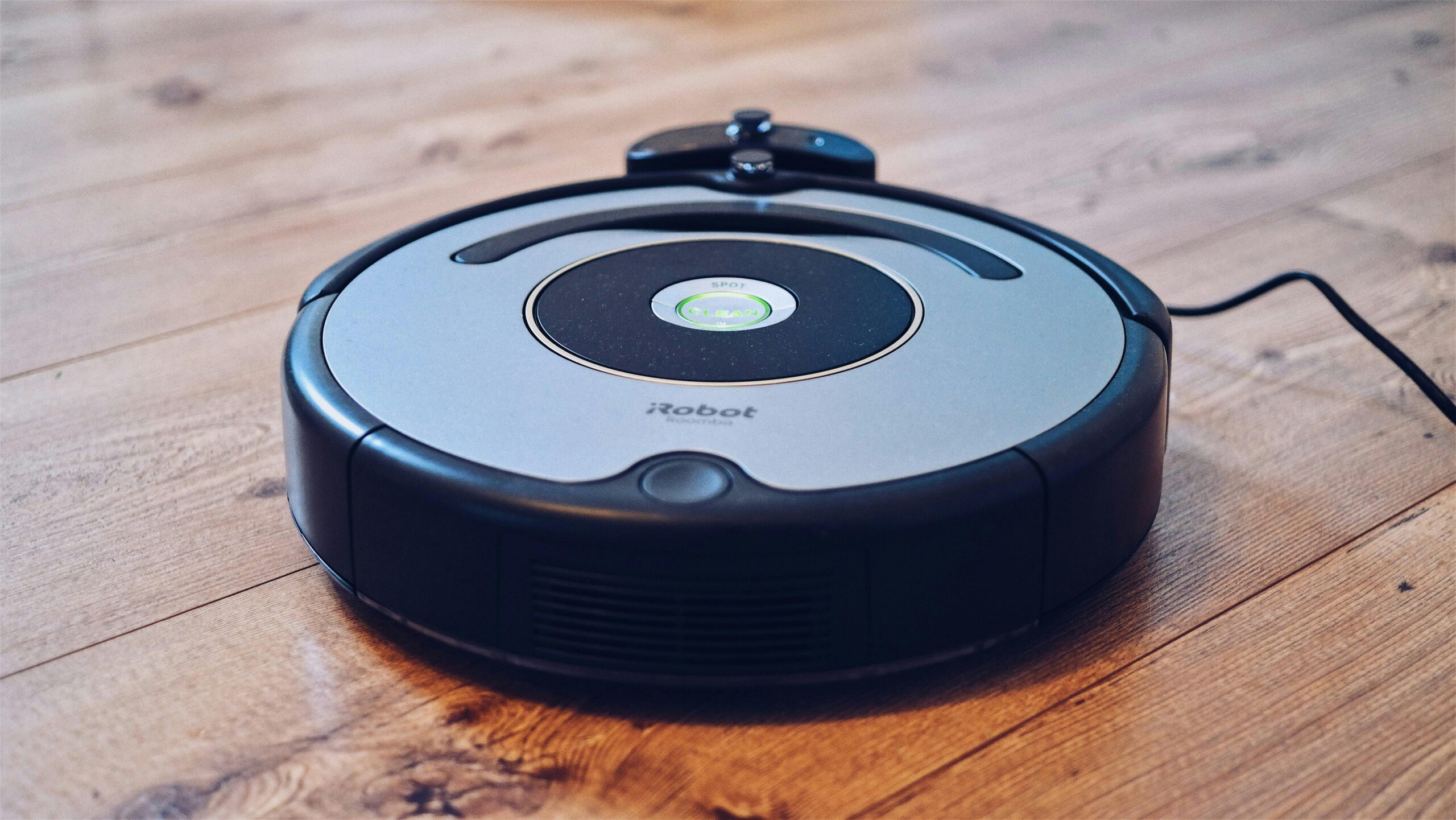
Your robot vacuum just photographed someone on the toilet. Sounds like dystopian fiction, but in 2020, iRobot’s Roomba cameras captured exactly these intimate moments—and human workers at Scale AI saw them during AI training violations. These aren’t theoretical privacy risks anymore.
Your helpful cleaning robot builds detailed digital floor plans of your most private spaces, syncing everything to cloud servers where data breaches become personal invasions. The convenience of automated cleaning comes with an unexpected cost: comprehensive home surveillance.
What Your Robot Actually Sees
Every cleaning cycle generates a surveillance report on your daily life.
Robot vacuums collect:
- Room layouts
- Furniture positions
- Cleaning schedules that reveal when you’re home or away
- Wi-Fi network details
- Environmental obstacles
Models with cameras capture images for navigation, while LiDAR sensors scan walls and objects with military-grade precision.
Security researchers proved LidarPhone attacks can even use these vibrations for eavesdropping without microphones. Timestamps combined with detailed maps create perfect burglary intelligence—your absence patterns mapped to the layout of your valuables.
When Convenience Becomes Surveillance
Real hacks and data leaks prove these risks aren’t hypothetical.
Beyond the toilet photo scandal, 2022 viral hacks exposed live camera feeds from multiple robot vacuum brands. Manufacturers aggregate this “anonymized” data to train AI algorithms, but cloud storage amplifies breach potential exponentially.
Your floor plan doesn’t just reveal room sizes—it shows security system locations, safe placement, and daily routines that criminals can exploit. The convenience of remote control and multi-device syncing requires surrendering a complete blueprint of your private life.
Privacy Policies vs. Reality
Brand promises clash with Consumer Reports’ findings on transparency.
Major manufacturers tout AES-128 encryption and GDPR compliance. Brands like Narwal emphasize local processing to avoid routine cloud uploads, while Ecovacs allows deletion requests—yet transparency remains limited.
The most privacy-focused option, Matic’s robot vacuum, processes everything locally without internet connectivity, but costs $1,795 compared to mainstream models at $300-800. Real privacy requires premium pricing.
Taking Back Control
Your home surveillance doesn’t have to be inevitable.
If you value privacy over convenience, scrutinize manufacturers’ data policies before purchasing. Look for local processing options, disable cloud features when possible, and consider whether remote app control justifies the surveillance trade-off.
The convenience-privacy calculation matters more than manufacturers want you to realize—your robot vacuum shouldn’t double as a home surveillance system that maps your life for corporate profit.