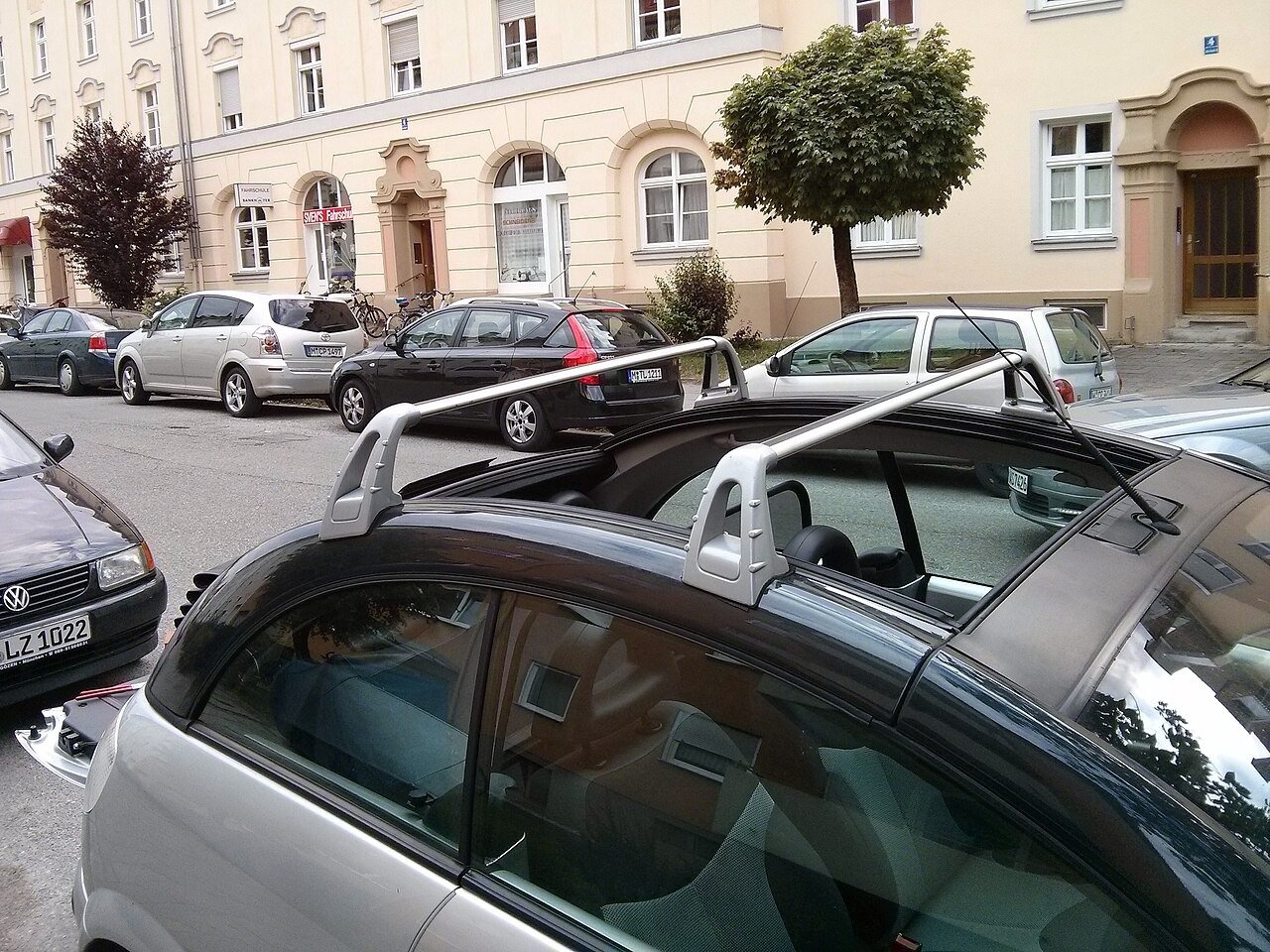
Empty roof racks create an invisible fuel economy drain that costs drivers more than they realize. While you’re focused on gas prices and engine efficiency, those seemingly harmless crossbars are quietly siphoning money from your tank with every mile.
The Science Behind the Suck
Your car’s aerodynamics weren’t designed for rooftop cargo bars.
Even without bikes or cargo boxes attached, roof racks disrupt your vehicle’s carefully engineered airflow. Research indicates that roof rack systems can cause significant fuel economy loss depending on configuration and driving speeds. That’s not a rounding error—it’s a measurable hit to your efficiency.
The crossbars create turbulence that forces your engine to work harder, pushing through air resistance. Multiple automotive testing organizations have documented these fuel economy impacts, confirming what aerodynamics engineers have long understood: every protrusion counts.
Your Annual Fuel Tax Breakdown
The numbers add up faster than you’d expect.
Studies suggest that roof racks contribute to substantial fuel use across the vehicle fleet nationally. For individual drivers, this translates to real money. A typical driver covering 12,000 miles annually in a vehicle averaging 25 mpg could experience noticeable efficiency drops with empty roof racks installed.
Conservative estimates suggest this efficiency reduction could cost hundreds of dollars per year in extra gas, money that could fund your actual outdoor adventures instead of just looking ready for them.
The Removal Reality Check
Taking them off isn’t as complicated as you might think.
Many roof rack systems can be detached when not in use, though convenience varies by manufacturer and mounting style. If you’re only using racks seasonally for ski trips or summer camping, removing them during off-months makes financial sense. The fuel savings compound quickly over longer highway drives where aerodynamic losses peak.
For frequent users, the calculation shifts. But for rack owners who install them once and forget about them for months, those crossbars are essentially expensive hood ornaments.
Your roof rack decision comes down to usage frequency versus ongoing costs. Remove them when not needed, and your wallet will thank you at every gas station.